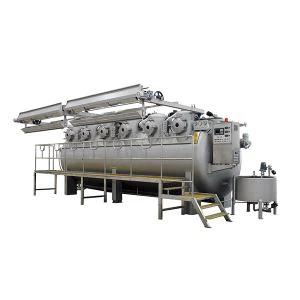
Color fastness is a crucial factor in the textile dyeing process, directly influencing the quality and durability of dyed fabrics. As a reliable Jet Dyeing Machine supplier, we understand the significance of ensuring excellent color fastness for our customers. In this blog, we will explore various aspects of how to guarantee color fastness when using a Jet Dyeing Machine.
Understanding the Basics of Jet Dyeing Machines
Before delving into the methods of ensuring color fastness, it's essential to have a basic understanding of Jet Dyeing Machines. These machines are widely used in the textile industry for dyeing various types of fabrics, including knitted and woven materials. They operate on the principle of using a high - pressure jet of dye liquor to circulate the fabric through the dyeing chamber, ensuring uniform dye penetration.

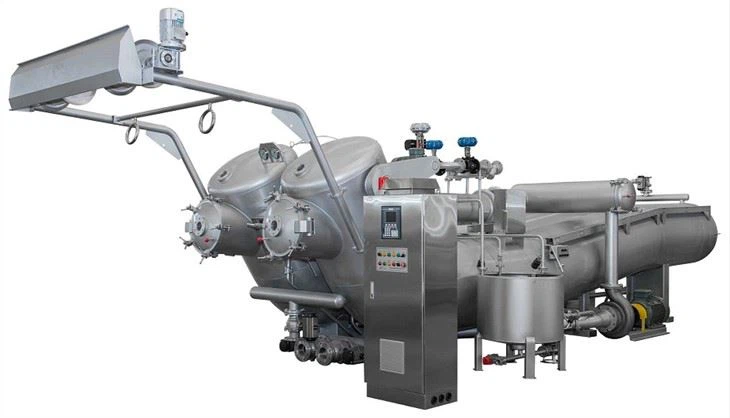
There are different types of Jet Dyeing Machines available in the market, such as the Dual Flow Dyeing Machine, Jet Dyeing Machine For Polar Fleece, and HTHP Knit Fabric Dyeing Machine. Each type has its own unique features and advantages, but they all aim to achieve efficient and high - quality dyeing results.
Factors Affecting Color Fastness
Several factors can affect the color fastness of dyed fabrics when using a Jet Dyeing Machine. Understanding these factors is the first step in ensuring excellent color fastness.
1. Dye Selection
The choice of dye is of utmost importance. Different dyes have different levels of color fastness properties. Reactive dyes, for example, are known for their good color fastness to washing, light, and rubbing, especially on cellulosic fibers such as cotton. Acid dyes are commonly used for dyeing protein fibers like wool and silk and offer decent color fastness under appropriate conditions. Disperse dyes are suitable for synthetic fibers such as polyester and can provide good color fastness when applied correctly.
When selecting dyes, it's necessary to consider the type of fabric, the desired color, and the end - use requirements of the dyed product. For example, if the fabric is intended for outdoor use, dyes with high light fastness should be chosen.
2. Fabric Pretreatment
Proper fabric pretreatment is essential for achieving good color fastness. Pretreatment processes such as scouring, bleaching, and mercerizing can remove impurities, natural oils, and waxes from the fabric surface, making it more receptive to dyes. A clean and well - prepared fabric surface allows for better dye penetration and fixation, which in turn improves color fastness.
For example, scouring helps to remove dirt and grease from the fabric, while bleaching can enhance the whiteness of the fabric and improve the brightness of the final dyed color. Mercerizing can also increase the strength and luster of the fabric and improve dye uptake.
3. Dyeing Process Parameters
The dyeing process parameters, including temperature, time, pH value, and liquor ratio, have a significant impact on color fastness.
- Temperature: Different dyes require different dyeing temperatures to achieve optimal fixation. For reactive dyes, a relatively high temperature is usually required for proper fixation on cellulosic fibers. However, if the temperature is too high, it may cause damage to the fabric or lead to uneven dyeing, which can affect color fastness.
- Time: The dyeing time should be sufficient to allow the dyes to penetrate and fix onto the fabric fibers. Insufficient dyeing time may result in poor dye fixation and low color fastness, while excessive dyeing time may cause over - dyeing and other quality problems.
- pH Value: The pH value of the dye bath is crucial for the dyeing process. For example, reactive dyes usually require an alkaline pH for fixation on cellulosic fibers. Incorrect pH values can lead to incomplete dye fixation and reduced color fastness.
- Liquor Ratio: The liquor ratio refers to the ratio of the weight of the dye liquor to the weight of the fabric. A proper liquor ratio ensures uniform dye distribution and good dye penetration. If the liquor ratio is too high, the dye concentration may be too low, resulting in poor color depth and fastness. On the other hand, if the liquor ratio is too low, it may cause uneven dyeing.
4. Post - treatment
Post - treatment processes are also important for improving color fastness. After dyeing, the fabric usually needs to undergo processes such as soaping, rinsing, and fixing.
- Soaping: Soaping can remove unfixed dyes from the fabric surface, reducing the risk of color bleeding during subsequent washing. It helps to improve the washing fastness of the dyed fabric.
- Rinsing: Thorough rinsing after dyeing can remove residual dye liquor and chemicals from the fabric, further improving color fastness.
- Fixing: Fixing agents can be used to enhance the fixation of dyes on the fabric fibers. These agents can form a chemical bond with the dyes, making them more resistant to washing, rubbing, and other external factors.
Methods to Ensure Color Fastness
Based on the above - mentioned factors, here are some practical methods to ensure color fastness when using a Jet Dyeing Machine.
1. Quality Control of Raw Materials
As a Jet Dyeing Machine supplier, we recommend that our customers pay close attention to the quality control of raw materials, including both dyes and fabrics. Source high - quality dyes from reliable suppliers and conduct strict quality inspections on the fabrics before dyeing. This can help to ensure that the starting materials meet the requirements for good color fastness.
2. Optimize the Dyeing Process
- Calibrate the Dyeing Machine: Regularly calibrate the Jet Dyeing Machine to ensure accurate control of temperature, time, pH value, and liquor ratio. This can help to maintain stable dyeing conditions and improve color fastness.
- Develop a Suitable Dyeing Recipe: Based on the type of fabric and the desired color, develop a suitable dyeing recipe. Conduct small - scale trials before large - scale production to optimize the dyeing process parameters and ensure consistent color fastness.
3. Implement Quality Assurance Measures
- In - process Monitoring: Continuously monitor the dyeing process to ensure that all parameters are within the specified range. Use sensors and monitoring devices to measure temperature, pH value, and other key parameters in real - time.
- Post - dyeing Testing: Conduct post - dyeing tests on the dyed fabric to evaluate color fastness. Common tests include washing fastness test, light fastness test, rubbing fastness test, etc. If the test results do not meet the requirements, take corrective measures such as adjusting the dyeing process or using additional post - treatment processes.
4. Employee Training
Proper training of employees is crucial for ensuring color fastness. Make sure that the operators of the Jet Dyeing Machine are well - trained in the dyeing process, including the selection of dyes, fabric pretreatment, and post - treatment. They should also be familiar with the operation and maintenance of the dyeing machine to ensure its normal and efficient operation.
Conclusion
Ensuring color fastness when using a Jet Dyeing Machine requires a comprehensive approach that takes into account dye selection, fabric pretreatment, dyeing process parameters, and post - treatment. By understanding the factors affecting color fastness and implementing appropriate methods, high - quality dyed fabrics with excellent color fastness can be achieved.
As a professional Jet Dyeing Machine supplier, we are committed to providing our customers with high - quality machines and technical support to help them achieve the best dyeing results. If you are interested in our Jet Dyeing Machines or need more information on ensuring color fastness, please feel free to contact us for further discussion and procurement negotiation.
References
- Lewis, D. M. (2011). The Theory of Colour Fastness Testing. Society of Dyers and Colourists.
- Zollinger, H. (2003). Color Chemistry: Synthesis, Properties and Applications of Organic Dyes and Pigments. Wiley - VCH.
- Trotman, E. R. (1984). Dyeing and Chemical Technology of Textile Fibres. Charles Griffin & Company Limited.