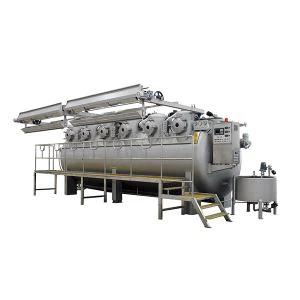
Improving the productivity of a Soft Flow Dyeing Machine is crucial for textile manufacturers looking to enhance efficiency and reduce costs. As a supplier of Soft Flow Dyeing Machines, I've seen firsthand the impact that a well - optimized machine can have on a business. In this blog, I'll share some practical tips on how you can boost the productivity of your Soft Flow Dyeing Machine.
1. Regular Maintenance and Inspection
One of the most fundamental ways to keep your Soft Flow Dyeing Machine running at peak productivity is through regular maintenance and inspection. Think of it like taking your car in for a tune - up. Over time, parts can wear out, and the machine can build up dirt and debris. By conducting routine checks, you can catch small issues before they turn into major problems.


For example, check the nozzles regularly. Clogged nozzles can disrupt the flow of the dyeing liquid, causing uneven dyeing and slowing down the process. Clean the nozzles at least once a week, depending on how often you use the machine. You should also inspect the pumps, valves, and hoses for any signs of leaks or damage. A small leak might not seem like a big deal, but it can lead to a significant loss of dye and water over time, not to mention the potential for damage to the machine itself.
2. Optimize the Dyeing Process Parameters
Getting the right process parameters is key to maximizing the productivity of your Soft Flow Dyeing Machine. This includes things like temperature, pressure, and dyeing time. Different types of fabrics and dyes require different conditions to achieve the best results.
Start by testing small batches of fabric with different parameter settings. Keep a detailed record of the results, including the color, quality, and any issues you encounter. Based on these tests, you can determine the optimal settings for each type of fabric and dye combination.
For instance, some Synthetic fabrics may require a higher temperature for better dye penetration, while natural fabrics like cotton might need a more gentle approach. By fine - tuning these parameters, you can reduce the number of re - dyeing cycles, saving both time and resources.
3. Use High - Quality Dyes and Chemicals
You are what you eat, and in the case of Soft Flow Dyeing Machines, the quality of the dyes and chemicals you use matters a lot. Using high - quality dyes can reduce the risk of color fading, bleeding, and uneven dyeing, which can lead to re - processing and wasted time.
Invest in dyes and chemicals that are specifically designed for your type of fabric and desired color. While they might be a bit more expensive upfront, the long - term savings in terms of productivity and quality make them worth it. Also, make sure to store your dyes and chemicals properly. Exposure to heat, light, and moisture can degrade their quality, so keep them in a cool, dry place.
4. Train Your Staff Properly
Your machine is only as good as the people operating it. Proper training of your staff is essential for improving the productivity of your Soft Flow Dyeing Machine. Make sure your operators understand how to use the machine correctly, from startup to shutdown.
Train them on basic maintenance tasks, such as cleaning the nozzles and checking for leaks. Provide them with clear operating manuals and hold regular refresher courses. Encourage them to ask questions and share any ideas they have for improving the process. A well - trained operator is more likely to identify and solve problems quickly, reducing downtime and increasing productivity.
5. Upgrade Your Machine
Technology is constantly evolving, and so are Soft Flow Dyeing Machines. If your machine is old or outdated, consider upgrading it. Newer models often come with advanced features that can significantly improve productivity.
For example, some modern machines have automated control systems that can adjust the process parameters in real - time based on the fabric and dye being used. This reduces the need for manual intervention and ensures more consistent results. You can check out our Cloth Dyeing Machine and Multi Nozzle Soft Flow Dyeing Machine for some of the latest options in the market.
6. Improve the Workflow
A well - organized workflow can make a big difference in the productivity of your Soft Flow Dyeing Machine. Arrange your work area in a way that minimizes the movement of fabric and equipment. Have a clear process for loading and unloading the machine, as well as for preparing the dyes and chemicals.
Implement a system for tracking the progress of each dyeing job. This can help you identify bottlenecks in the process and make adjustments as needed. For example, if you notice that a particular step in the process is taking longer than expected, you can look for ways to streamline it.
7. Monitor and Analyze Performance
Keep track of the performance of your Soft Flow Dyeing Machine over time. Measure key metrics such as dyeing time, color consistency, and resource consumption. Use this data to identify trends and areas for improvement.
For example, if you notice that the dyeing time has been increasing over the past few months, it could be a sign of a problem with the machine or the process. Analyze the data to determine the root cause and take corrective action. There are various software tools available that can help you collect and analyze this data more effectively.
By following these tips, you can significantly improve the productivity of your Soft Flow Dyeing Machine. At our company, we're committed to helping you get the most out of your investment. Whether you're looking for a new machine, replacement parts, or just some advice on optimizing your process, we're here to help.
If you're interested in learning more about our Soft Flow Dyeing Machines or want to discuss how we can help you improve your productivity, feel free to reach out. Start a conversation with us today and take the first step towards a more efficient and profitable textile dyeing operation.
References
- "Handbook of Textile Dyeing"
- "Advanced Textile Processing and Manufacturing"
- Industry whitepapers on textile dyeing machine optimization