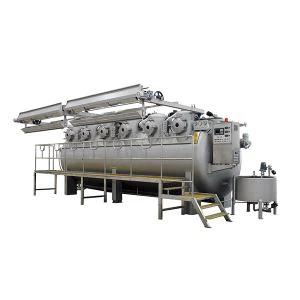
The dyeing speed of a Rapid Jet Dyeing Machine is a crucial factor that directly impacts the efficiency and productivity of textile dyeing processes. As a supplier of Rapid Jet Dyeing Machines, I am well - versed in the technical aspects and performance characteristics of these machines, and I am eager to share in - depth insights on this topic.
Understanding the Concept of Dyeing Speed
Dyeing speed refers to the rate at which a dyeing machine can complete the dyeing process for a given quantity of textiles. It is typically measured in terms of the time taken to dye a specific weight of fabric, for example, kilograms per hour. A higher dyeing speed means that more fabric can be dyed within a shorter period, which is highly beneficial for textile manufacturers aiming to increase their production output and meet market demands promptly.
Factors Influencing the Dyeing Speed of Rapid Jet Dyeing Machines
1. Machine Design and Structure
The design of a Rapid Jet Dyeing Machine plays a significant role in determining its dyeing speed. Modern machines are engineered with advanced features such as efficient circulation systems. The rapid circulation of the dye liquor ensures that the dye is evenly distributed across the fabric, reducing the time required for the dye to penetrate the fibers. For instance, our High Temperature High Pressure High Speed Dyeing Machine is designed with a powerful circulation pump that can rapidly move the dye liquor through the fabric, enhancing the dyeing speed.
The internal structure of the machine also matters. A well - designed dyeing chamber allows for better fabric movement and reduces the chances of fabric entanglement. This smooth fabric movement enables a more continuous and faster dyeing process.
2. Dye Properties
The type and properties of the dye used have a direct impact on the dyeing speed. Some dyes have a higher affinity for the fabric fibers, which means they can be absorbed more quickly. Reactive dyes, for example, react chemically with the fabric fibers, resulting in a relatively fast dyeing process. On the other hand, disperse dyes, which are commonly used for synthetic fibers, may require specific temperature and pressure conditions to achieve optimal dyeing speed.
3. Temperature and Pressure
Temperature and pressure are two critical parameters in the dyeing process. Higher temperatures generally increase the kinetic energy of the dye molecules, allowing them to move more freely and penetrate the fabric fibers more quickly. In a High Temperature High Pressure Dyeing Machine, the elevated temperature and pressure can significantly accelerate the dyeing process. However, it is important to note that excessive temperature and pressure can also damage the fabric, so a balance must be struck.
4. Fabric Characteristics
The type, thickness, and density of the fabric being dyed also affect the dyeing speed. Natural fibers such as cotton and silk may have different dyeing characteristics compared to synthetic fibers like polyester. Thicker and denser fabrics generally take longer to dye because the dye has to penetrate deeper into the fabric structure. For example, a heavy - duty denim fabric will require more time to dye compared to a lightweight cotton voile.
Measuring and Optimizing Dyeing Speed
To measure the dyeing speed of a Rapid Jet Dyeing Machine, manufacturers typically conduct trials with a standard quantity and type of fabric. They record the start and end times of the dyeing process and calculate the amount of fabric dyed within that time frame.
To optimize the dyeing speed, several strategies can be employed. Firstly, selecting the appropriate dye for the fabric type is essential. Conducting pre - tests to determine the best dye - fabric combination can save a significant amount of time during the actual dyeing process. Secondly, fine - tuning the temperature and pressure settings based on the fabric and dye properties can enhance the dyeing speed.
Regular maintenance of the machine is also crucial. A well - maintained machine with clean circulation systems and properly functioning components will operate more efficiently, leading to faster dyeing speeds.

Comparing Different Types of Dyeing Machines
In addition to Rapid Jet Dyeing Machines, there are other types of dyeing machines in the market, such as Dual Flow Dyeing Machine. Dual Flow Dyeing Machines offer a different approach to dyeing, with two separate flow paths for the dye liquor. This design can sometimes result in a more even dye distribution and potentially faster dyeing speeds for certain types of fabrics.
However, Rapid Jet Dyeing Machines are often preferred for their high - speed performance. They are capable of quickly dyeing large quantities of fabric, making them ideal for large - scale textile production.
The Importance of Dyeing Speed in the Textile Industry
In the highly competitive textile industry, dyeing speed is a key factor that can give manufacturers a competitive edge. Faster dyeing speeds mean that manufacturers can produce more products in less time, reducing production costs and increasing profitability. It also allows them to respond more quickly to market trends and customer demands.
Moreover, a high - speed dyeing process can help reduce the environmental impact. Shorter dyeing cycles consume less energy and water, which is in line with the growing trend of sustainable manufacturing in the textile industry.
Conclusion
In conclusion, the dyeing speed of a Rapid Jet Dyeing Machine is influenced by multiple factors, including machine design, dye properties, temperature and pressure, and fabric characteristics. As a supplier, we are committed to providing high - quality Rapid Jet Dyeing Machines that offer optimal dyeing speeds. Our machines are designed with the latest technology to ensure efficient and fast dyeing processes.
If you are in the textile industry and looking to enhance your production efficiency through faster dyeing speeds, we invite you to reach out to us for more information. Our team of experts is ready to assist you in selecting the most suitable dyeing machine for your specific needs and to provide you with comprehensive technical support. Let's work together to take your textile production to the next level.