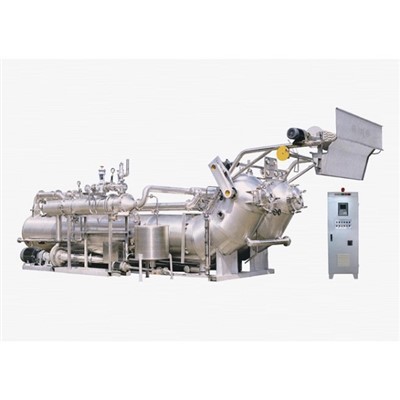
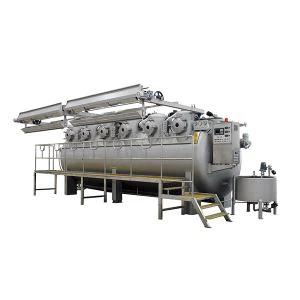
As a supplier of HTHP Soft Flow Dyeing Machines, I've witnessed firsthand the critical role that fabric tension control plays in the dyeing process. In this blog post, I'll delve into what fabric tension control is in an HTHP Soft Flow Dyeing Machine, why it's important, and how it impacts the overall quality of the dyed fabric.
Understanding Fabric Tension in HTHP Soft Flow Dyeing Machines
Fabric tension refers to the force applied to the fabric as it moves through the dyeing machine. In an HTHP Soft Flow Dyeing Machine, the fabric is transported through a series of nozzles and rollers, and the tension must be carefully regulated to ensure uniform dyeing and prevent damage to the fabric.
The HTHP (High Temperature High Pressure) environment in these machines is designed to facilitate efficient dye penetration into the fabric fibers. However, if the fabric tension is too high, it can cause the fabric to stretch, resulting in uneven dyeing, distorted patterns, and even fabric breakage. On the other hand, if the tension is too low, the fabric may bunch up or tangle, leading to poor circulation of the dye liquor and inconsistent coloration.
Importance of Fabric Tension Control
Uniform Dyeing
Proper fabric tension control is essential for achieving uniform dyeing results. When the fabric is under consistent and appropriate tension, the dye liquor can circulate evenly around the fabric, ensuring that every part of the fabric receives an equal amount of dye. This results in a more consistent color and better color fastness.
Fabric Protection
Controlling the fabric tension helps protect the fabric from damage. Excessive tension can cause the fabric to lose its original shape, stretch out of proportion, or even tear. By maintaining the right tension, we can preserve the integrity of the fabric structure, ensuring that it retains its softness, drape, and other desirable properties.

Process Efficiency
Optimal fabric tension control also improves the efficiency of the dyeing process. When the fabric moves smoothly through the machine without any snags or tangles, the dyeing cycle can be completed more quickly, reducing production time and increasing overall productivity.
Factors Affecting Fabric Tension in HTHP Soft Flow Dyeing Machines
Machine Design
The design of the HTHP Soft Flow Dyeing Machine itself can have a significant impact on fabric tension. The arrangement of the nozzles, rollers, and guides, as well as the speed and direction of the fabric movement, all play a role in determining the tension experienced by the fabric. For example, a well-designed machine will have properly calibrated rollers that can apply consistent tension along the entire length of the fabric.
Fabric Properties
Different types of fabrics have different mechanical properties, such as elasticity, strength, and thickness. These properties can affect how the fabric responds to tension during the dyeing process. For instance, stretchy fabrics may require lower tension to prevent excessive stretching, while thicker fabrics may need higher tension to ensure proper movement through the machine.
Dyeing Process Parameters
The parameters of the dyeing process, such as temperature, pressure, and dye liquor flow rate, can also influence fabric tension. Higher temperatures and pressures can cause the fabric to expand or contract, altering its tension. Similarly, a high flow rate of the dye liquor can create additional drag on the fabric, increasing the tension.
Techniques for Fabric Tension Control
Roller Adjustment
One of the most common methods of controlling fabric tension is through the adjustment of the rollers in the dyeing machine. By adjusting the pressure and speed of the rollers, we can increase or decrease the tension applied to the fabric. This requires careful calibration and monitoring to ensure that the tension remains within the optimal range throughout the dyeing process.
Tension Sensors
Many modern HTHP Soft Flow Dyeing Machines are equipped with tension sensors. These sensors can continuously monitor the tension of the fabric and provide real-time feedback to the machine's control system. If the tension deviates from the set value, the control system can automatically adjust the rollers or other components to correct the tension.
Flow Rate Regulation
Regulating the flow rate of the dye liquor can also help control fabric tension. By adjusting the flow rate, we can reduce the drag on the fabric and maintain a more consistent tension. This can be achieved through the use of flow control valves and pumps.
Our HTHP Soft Flow Dyeing Machines and Fabric Tension Control
At our company, we understand the importance of fabric tension control in achieving high-quality dyeing results. That's why our HTHP Soft Flow Fabric Dyeing Machine is designed with advanced features to ensure precise tension control.
Our machines are equipped with state-of-the-art tension sensors and control systems that can continuously monitor and adjust the fabric tension in real-time. The rollers are carefully calibrated to apply consistent tension along the entire length of the fabric, and the flow rate of the dye liquor can be easily regulated to optimize tension.
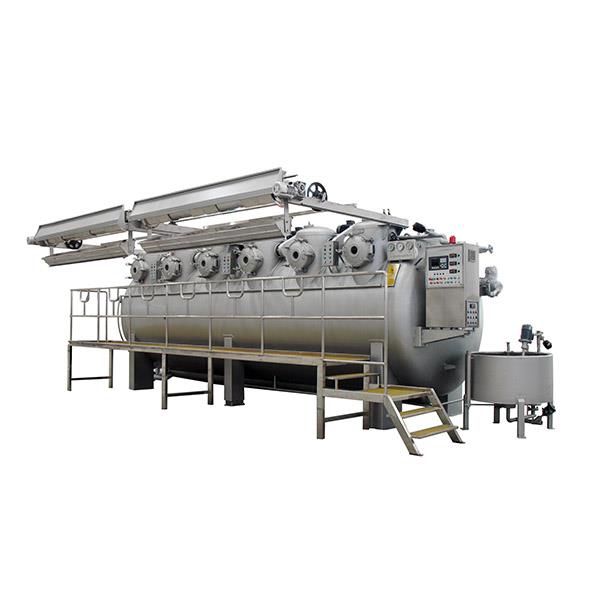
In addition, we offer a range of models to suit different fabric types and production requirements. Our TH-VA-B Low Bath Ratio Fabric Dyeing Machine Enviromental Friendly is designed for low bath ratio dyeing, which not only reduces water and energy consumption but also helps maintain better fabric tension control. And our Multi Nozzle Soft Flow Dyeing Machine provides multiple nozzles for improved fabric movement and tension distribution.
Conclusion
Fabric tension control is a crucial aspect of the dyeing process in HTHP Soft Flow Dyeing Machines. By understanding the factors that affect fabric tension and implementing effective control techniques, we can achieve uniform dyeing, protect the fabric from damage, and improve the efficiency of the production process.
If you're in the market for an HTHP Soft Flow Dyeing Machine that offers precise fabric tension control, look no further. Our machines are designed to meet the highest standards of quality and performance, ensuring that you get the best possible results for your dyeing operations. Contact us today to discuss your specific requirements and explore how our machines can help you achieve your production goals.
References
- "Textile Dyeing and Finishing Technology" by Xungai Wang
- "Handbook of Textile Fibre Structure" edited by David J. Walsh