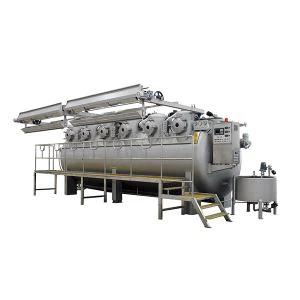
When operating an HTHP (High Temperature High Pressure) Fabric Soft Flow Dyeing Machine, it is crucial to adhere to a comprehensive set of safety measures to prevent accidents, ensure the well - being of operators, and maintain the longevity of the equipment. As a trusted supplier of HTHP Fabric Soft Flow Dyeing Machines, I am committed to sharing essential safety guidelines to help you make the most of our products while prioritizing safety.
1. Pre - operation Safety Checks
Before starting the HTHP Fabric Soft Flow Dyeing Machine, a series of pre - operation checks must be carried out. First, visually inspect the machine for any visible signs of damage, such as cracks in the dyeing vessel, loose electrical connections, or leaks in the piping system. Any identified issues should be addressed immediately by a qualified technician.
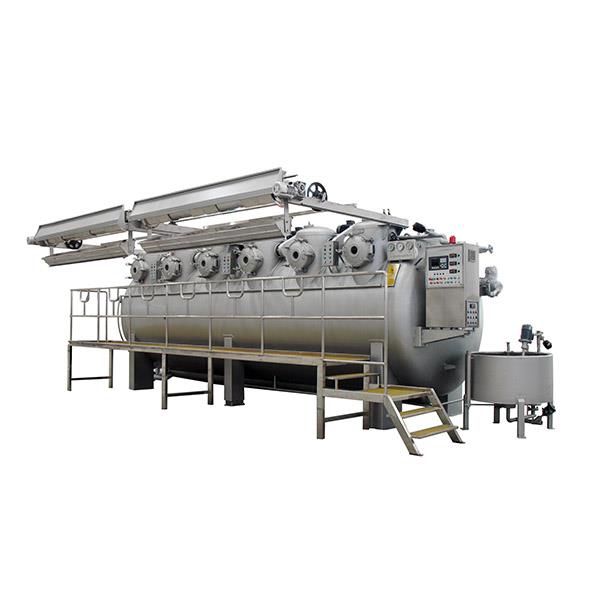

Check the pressure and temperature gauges to ensure they are functioning accurately. Incorrect readings can lead to over - pressurization or over - heating, which pose significant safety risks. Calibrate the gauges regularly according to the manufacturer's recommendations.
Inspect the safety valves. These valves are designed to release excess pressure in case of an emergency. Ensure they are clean, free of debris, and in proper working condition. A malfunctioning safety valve can cause a dangerous pressure build - up within the machine.
Verify that all emergency stop buttons are easily accessible and operational. The emergency stop function is a critical safety feature that can prevent serious accidents in case of an unexpected situation.
2. Operator Training
Proper training is the cornerstone of safe operation. All operators should receive comprehensive training on the HTHP Fabric Soft Flow Dyeing Machine's operation, safety features, and emergency procedures. Training should cover topics such as loading and unloading fabrics, setting the correct temperature and pressure parameters, and handling chemicals safely.
Operators should be familiar with the machine's control panel and be able to interpret the various indicators and displays. They should also know how to respond to alarms and error messages promptly. Regular refresher courses should be provided to keep operators updated on the latest safety practices and machine - specific knowledge.
3. Chemical Handling
The HTHP Fabric Soft Flow Dyeing Machine uses a variety of chemicals, including dyes, auxiliaries, and detergents. These chemicals can be hazardous if not handled properly.
Wear appropriate personal protective equipment (PPE) when handling chemicals. This includes gloves, goggles, and a chemical - resistant apron. PPE can protect operators from skin contact, eye irritation, and inhalation of harmful fumes.
Store chemicals in a dedicated, well - ventilated area away from heat sources and direct sunlight. Follow the storage instructions provided by the chemical manufacturers. Ensure that chemicals are properly labeled and stored in compatible containers to prevent chemical reactions.
When adding chemicals to the dyeing machine, use the correct measuring equipment and follow the recommended dosage. Over - dosing can not only affect the quality of the dyeing process but also increase the risk of chemical spills and exposure.
4. Temperature and Pressure Control
Maintaining proper temperature and pressure is essential for the safe operation of the HTHP Fabric Soft Flow Dyeing Machine. Set the temperature and pressure parameters according to the fabric type, dyeing recipe, and machine specifications.
Monitor the temperature and pressure continuously during the dyeing process. Use the machine's built - in sensors and control systems to ensure that the values remain within the safe operating range. Avoid sudden changes in temperature and pressure, as these can cause stress on the machine components and increase the risk of accidents.
In case of a temperature or pressure deviation, follow the established emergency procedures. This may include reducing the heat input, releasing excess pressure through the safety valve, or stopping the machine immediately.
5. Machine Maintenance
Regular maintenance is vital to keep the HTHP Fabric Soft Flow Dyeing Machine in optimal condition and prevent safety hazards. Establish a maintenance schedule and adhere to it strictly.
Clean the machine regularly to remove dye residues, lint, and other contaminants. A dirty machine can affect the performance of the components and increase the risk of blockages in the piping system.
Lubricate the moving parts of the machine as recommended by the manufacturer. Proper lubrication reduces friction, extends the lifespan of the components, and ensures smooth operation.
Inspect and replace worn - out parts promptly. Parts such as seals, gaskets, and belts can deteriorate over time, leading to leaks and malfunctions. Use only genuine replacement parts to ensure compatibility and safety.
6. Ventilation
Adequate ventilation is necessary when operating the HTHP Fabric Soft Flow Dyeing Machine. The dyeing process can generate fumes and steam, which may contain harmful chemicals.
Install a ventilation system that can effectively remove these fumes and steam from the work area. The ventilation system should be designed to meet the specific requirements of the machine and the chemicals used.
Ensure that the ventilation system is regularly maintained and inspected to ensure its proper functioning. A poorly maintained ventilation system can lead to a build - up of fumes in the work area, posing a health risk to operators.
7. Emergency Preparedness
Despite all precautions, emergencies can still occur. Therefore, it is essential to be prepared for such situations.
Develop an emergency response plan that outlines the steps to be taken in case of a fire, explosion, chemical spill, or other emergencies. The plan should include evacuation routes, emergency contact information, and procedures for dealing with specific types of accidents.
Conduct regular emergency drills to ensure that all operators are familiar with the emergency response plan. Drills can help improve response times and reduce panic in case of a real emergency.
Keep a well - stocked first - aid kit in the work area and ensure that at least one operator is trained in first - aid procedures.
In addition to the HTHP Fabric Soft Flow Dyeing Machine, we also offer other high - quality dyeing machines, such as the Atmospheric Temperature Low Tension Evenflow Dyeing Machine, HTHP Soft Flow Fabric Dyeing Machine, and Taffeta Fabric Dyeing Machine High - Pressure Rapid Dyeing Machine.
If you are interested in our products or have any questions about safety measures or operation, we encourage you to contact us for procurement and further discussions. We are committed to providing you with the best solutions and support for your dyeing needs.
References
- Manufacturer's manual of HTHP Fabric Soft Flow Dyeing Machine
- Safety guidelines for industrial dyeing equipment issued by relevant industry associations
- Chemical safety data sheets provided by chemical suppliers