


Advanced Dyeing Machine for High-Performance Sportswear & Yoga Fabric
The global demand for sportswear and activewear continues to grow as consumers seek garments that combine comfort, durability, moisture management, stretch, and vibrant colors. Modern sportswear fabrics are engineered using advanced fibers such as polyester, nylon, spandex, recycled yarns, and functional blends, all of which require precise dyeing processes to achieve consistent quality and long-lasting performance.
Unlike conventional textile dyeing, sportswear fabric dyeing presents unique challenges, including maintaining fabric elasticity, ensuring excellent color fastness, minimizing shade variation, and protecting moisture-wicking or antimicrobial finishes. Manufacturers must also reduce water, energy, and chemical consumption while meeting increasingly strict sustainability standards.
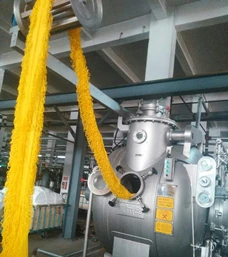
With more than 20 years of experience in textile dyeing equipment manufacturing, TONGHUA provides complete sportswear fabric dyeing solutions designed for modern textile mills. Our high-temperature high-pressure dyeing machines, low liquor ratio systems, and intelligent process controls help manufacturers produce premium-quality sportswear fabrics with greater efficiency and lower operating costs.
Why Sportswear Fabric Requires Specialized Dyeing Solutions
Sportswear fabrics are significantly different from ordinary apparel textiles. Most are composed of synthetic fibers or blends that require carefully controlled dyeing conditions to preserve both appearance and functional performance.
Common Challenges
Manufacturers often face:
● Uneven dye penetration on microfiber fabrics
● Color variation between dye lots
● Fabric creasing during circulation
● Stretch recovery loss after dyeing
● High water and steam consumption
● Increased chemical costs
● Longer production cycles
● Maintaining functional finishes after dyeing
A specialized dyeing solutions is essential to ensure superior product quality while maximizing production efficiency.
Sportswear Fabrics We Support
Our dyeing solutions are suitable for a wide range of performance textiles, including:
Polyester Sportswear Fabrics
● Running apparel
● Training wear
● Cycling jerseys
● Football uniforms
● Basketball uniforms
Nylon Performance Fabrics
● Outdoor apparel
● Swimwear
● Compression garments
● Hiking clothing
Polyester-Spandex Blends
● Yoga wear
● Leggings
● Fitness apparel
● Stretch sportswear
Nylon-Spandex Fabrics
● Activewear
● Athletic shorts
● Sports bras
● Compression clothing
Recycled Polyester (rPET)
● Sustainable sportswear
● Eco-friendly activewear
● Performance apparel
Functional Fabrics
● Moisture-wicking fabrics
● Breathable textiles
● UV-protection fabrics
● Quick-dry fabrics
● Antibacterial fabrics
Complete Sportswear Fabric Dyeing Solutions
TONGHUA provides integrated solutions covering every stage of sportswear fabric processing.
High Temperature High Pressure Dyeing
Synthetic fibers such as polyester require dyeing at temperatures up to 130°C to achieve excellent dye penetration and color fastness.
Our HTHP dyeing systems provide:
● Stable temperature control
● Uniform liquor circulation
● Even dye penetration
● Reduced shade variation
● Excellent reproducibility
Ideal for:
● Polyester
● Recycled polyester
● Functional synthetic fabrics
Low Liquor Ratio Dyeing Technology
Sportswear manufacturers increasingly focus on sustainability.
Our low liquor ratio dyeing machines significantly reduce:
● Water consumption
● Steam consumption
● Dye usage
● Auxiliary chemicals
● Wastewater generation
Benefits include:
√ Lower production costs
√ Faster dyeing cycles
√ Improved sustainability
√ Better ESG compliance
Gentle Fabric Transport System
Stretch fabrics require delicate handling during dyeing.
Our optimized nozzle and fabric transport design helps:
● Reduce fabric tension
● Prevent surface damage
● Minimize creases
● Protect elasticity
● Maintain dimensional stability
This is especially important for:
● Spandex fabrics
● Compression textiles
● Elastic knitted fabrics
Intelligent Process Control
Modern sportswear production requires consistent repeatability.
TONGHUA machines feature:
● PLC automatic control
● Recipe management
● Automatic temperature regulation
● Automatic water level control
● Variable-frequency pump control
● Real-time process monitoring
These intelligent systems improve production consistency while reducing operator dependency.
Recommended Dyeing Machines for Sportswear Fabrics

Best for:
● Polyester fabrics
● Woven sports fabrics
● High-volume production
Advantages
● Excellent circulation
● Uniform dyeing
● High productivity
● Reduced creasing
Ideal for:
● Knitted sports fabrics
● Stretch fabrics
● Lightweight activewear
Benefits
● Low fabric tension
● Superior fabric protection
● Better hand feel
● Excellent dimensional stability


Suitable for premium performance fabrics.
Advantages
● Extremely low liquor ratio
● Lower energy consumption
● Reduced water usage
● Excellent fabric protection
Dyeing Process for Sportswear Fabrics
A complete sportswear fabric dyeing workflow typically includes:
● Step 1: Fabric Inspection
● Step 2: Pretreatment
● Step 3: Loading
● Step 4: Dye Preparation
● Step 5: High Temperature Dyeing
● Step 6: Reduction Cleaning
● Step 7: Washing
● Step 8: Softening
● Step 9: Functional Finishing
● Step 10: Drying
● Step 11: Quality Inspection
Every stage can be optimized using TONGHUA's integrated dyeing solutions.
Key Benefits of TONGHUA Sportswear Dyeing Solutions

Superior Dyeing Quality
● Excellent color uniformity
● Better reproducibility
● Reduced color variation
● Improved color fastness
Fabric Protection
Designed specifically to preserve:
● Stretch recovery
● Fabric softness
● Surface smoothness
● Moisture management properties

Energy Efficiency
Our systems help reduce:
● Steam consumption
● Electricity usage
● Water consumption
● Chemical dosage
Lower operating costs contribute to faster return on investment.

Customized Engineering
Every sportswear manufacturer has unique production requirements.
We customize machines according to:
● Fabric type
● Daily capacity
● Tube quantity
● Automation level
● Dyeing process
● Factory layout
Applications
Our sportswear dyeing solutions are widely used in manufacturing:
● Running apparel
● Yoga wear
● Fitness clothing
● Sports jerseys
● Cycling apparel
● Compression garments
● Swimwear
● Outdoor clothing
● Hiking apparel
● Team uniforms
● Functional underwear
● Athletic socks

Why Choose TONGHUA?
More than 20 years of dyeing machine manufacturing experience. We provide:
● Complete dyeing solutions
● Customized machine design
● Technical consultation
● Installation guidance
● Commissioning support
● Operator training
● Spare parts service
● Long-term technical assistance
Our machines are trusted by textile manufacturers seeking reliable, energy-efficient, and high-performance dyeing systems.
Project Case
Sportswear Fabric Dyeing Project
A sports textile manufacturer upgraded its conventional dyeing equipment to TONGHUA's low liquor ratio jet dyeing system.
| Customer Requirements | Solution | Results |
|
● Reduce water consumption ● Improve shade consistency ● Process polyester-spandex fabrics ● Increase production efficiency
|
● High Temperature Jet Dyeing Machine ● Intelligent PLC Control ● Variable Frequency Pump System ● Low Liquor Ratio Technology
|
● Reduced water consumption ● Lower steam usage ● Improved color consistency ● Higher daily production output ● Better fabric quality ● Reduced operating costs |
Frequently Asked Questions
Q1: Which fabrics are suitable for sportswear dyeing?
A: Our solutions are suitable for polyester, nylon, spandex, recycled polyester, microfiber, and various blended performance fabrics.
Q2: Can your machines dye stretch fabrics without damaging elasticity?
A: Yes. Our low-tension fabric transport system minimizes mechanical stress and helps preserve fabric stretch, recovery, and dimensional stability.
Q3: Do you provide customized dyeing solutions?
A: Absolutely. We customize machine configurations based on fabric type, production capacity, dyeing process, and factory requirements.
Q4: How can your machines reduce production costs?
A: Our low liquor ratio technology, intelligent process control, and energy-efficient hydraulic design help reduce water, steam, electricity, and chemical consumption.
Q5: Do you support sustainable textile manufacturing?
A: Yes. Our dyeing systems are designed to help textile mills achieve lower resource consumption, improved environmental performance, and greater compliance with modern sustainability goals.
Upgrade Your Sportswear Fabric Dyeing Process with TONGHUA
Whether you manufacture performance apparel, yoga wear, athletic uniforms, swimwear, or functional textiles, TONGHUA offers tailored dyeing solutions that combine exceptional fabric quality with lower operating costs. Our engineering team will recommend the ideal machine configuration based on your fabric composition, production capacity, and sustainability objectives.
Contact us today to discuss your project, request expert technical advice, or receive a customized quotation for your sportswear fabric dyeing solution.