Hey there! As a supplier of cloth dyeing machines, I often get asked a bunch of questions from folks in the textile industry. One question that pops up quite a bit is, "Can a cloth dyeing machine be used for printed fabrics?" Well, let's dig into this topic and see what we can find out.
First off, let's talk about what printed fabrics are. Printed fabrics are those that have a design or pattern applied to them using various printing techniques. These can range from traditional block printing to modern digital printing. The key thing to understand is that the fabric already has a pre - existing design on it before we even think about dyeing.


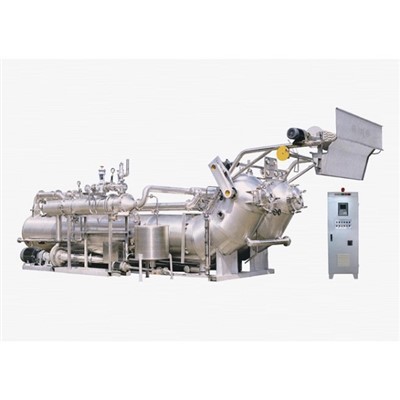
Now, let's look at cloth dyeing machines. We've got different types of these machines, each with its own features and functions. For example, we have the High Temperature Low Tension Evenflow Dyeing Machine. This machine is designed to dye fabrics with a low - tension process, which is great for delicate materials. It also has an even - flow system that ensures the dye is distributed evenly across the fabric.
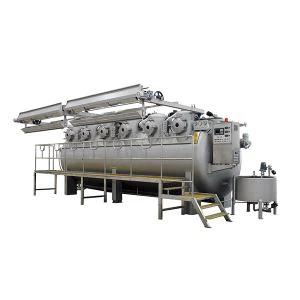
Another type is the Jet Dyeing Machine For Crepe Fabric. As the name suggests, it's specifically made for crepe fabrics. But its jet - based system can be adjusted and used for other types of fabrics too. And then there's the High Temperature Soft Flow Dyeing Machine, which is ideal for fabrics that require a high - temperature dyeing process while maintaining a soft flow of the dye solution.
So, can these machines be used for printed fabrics? The short answer is yes, but there are some things to consider.
Compatibility with Printing Inks
The first thing we need to think about is the compatibility between the dye in the machine and the printing inks on the fabric. Different printing inks have different chemical compositions. Some inks may react with the dyes in a negative way, causing the colors to bleed, fade, or change in an unexpected manner.
For instance, if the printing ink is water - based and the dye in the machine is a strong acid - based dye, there could be a chemical reaction that messes up the print. So, before using a cloth dyeing machine on printed fabrics, it's crucial to do a small test. Take a sample of the printed fabric and dye it using the same settings and dyes that you plan to use for the full - scale production. This way, you can see how the ink and the dye interact.
Color Fastness
Color fastness is another important factor. Printed fabrics are supposed to have a certain level of color fastness, which means the colors should stay bright and not fade easily when exposed to various conditions like washing, sunlight, or rubbing. When we use a dyeing machine on printed fabrics, we need to make sure that the dyeing process doesn't compromise the color fastness of the print.
Our high - end dyeing machines are designed to have precise temperature and pressure controls. This helps in maintaining the integrity of the printed design while adding the new dye. For example, the High Temperature Soft Flow Dyeing Machine allows us to set the temperature and flow rate in a way that minimizes the impact on the print.
Design Preservation
The whole point of printed fabrics is the unique design. We don't want to lose that design when we dye the fabric. Some dyeing machines, like the Jet Dyeing Machine For Crepe Fabric, have a gentle dyeing action. This is great for printed fabrics because it reduces the risk of the design getting distorted.
However, if the dyeing process is too aggressive, it can cause the printed design to blur or smudge. So, it's important to choose the right machine and the right settings based on the type of printed fabric we're dealing with.
Types of Printed Fabrics
Not all printed fabrics are the same. There are different types of fabrics, such as cotton, silk, polyester, and blends. Each fabric has its own characteristics and responds differently to the dyeing process.
Cotton printed fabrics are generally more absorbent, which means they can take up the dye easily. But we still need to be careful not to over - dye and damage the print. Silk printed fabrics are more delicate and require a very gentle dyeing process. Polyester printed fabrics may need a different type of dye that is suitable for synthetic materials.
Benefits of Using a Dyeing Machine on Printed Fabrics
Despite the challenges, there are some real benefits to using a cloth dyeing machine on printed fabrics. One of the main benefits is customization. We can add a secondary color or a tint to the printed fabric to create a unique look. This can give our customers more options and make their products stand out in the market.
Another benefit is color correction. Sometimes, the printed colors may not be exactly what the customer wanted. Using a dyeing machine, we can adjust the colors slightly to meet the customer's requirements.
Challenges and How to Overcome Them
As I mentioned earlier, there are challenges when using a dyeing machine on printed fabrics. But we've got solutions for them.
For the compatibility issue, as I said, we can do a test run. We can also work with our customers to understand the type of printing inks they've used and then select the appropriate dyes.
To deal with color fastness, we can use high - quality dyes that are known for their good color fastness properties. Our dyeing machines also have features that help in setting the right conditions for achieving good color fastness.
For design preservation, we can choose the right machine based on the fabric type and the complexity of the print. And we can adjust the settings like temperature, pressure, and dyeing time to ensure that the design stays intact.
Conclusion
So, to sum it all up, a cloth dyeing machine can definitely be used for printed fabrics. But it's not as simple as just throwing the fabric into the machine. We need to consider factors like compatibility with printing inks, color fastness, and design preservation.
If you're in the textile industry and you're looking to work with printed fabrics and dyeing machines, we're here to help. We've got a range of high - quality cloth dyeing machines, including the High Temperature Low Tension Evenflow Dyeing Machine, Jet Dyeing Machine For Crepe Fabric, and High Temperature Soft Flow Dyeing Machine.
If you're interested in learning more about how our machines can work for your printed fabrics or if you want to discuss a potential purchase, don't hesitate to reach out. We're always happy to have a chat and see how we can meet your needs.
References
- Textile Dyeing and Finishing Handbook, Third Edition
- Practical Textile Testing and Quality Control