As a seasoned supplier of cloth dyeing machines, I've encountered numerous inquiries regarding the compatibility of our machines with synthetic fabrics. This topic is not only relevant but also crucial for businesses in the textile industry looking to expand their dyeing capabilities. In this blog post, I'll delve into the technical aspects, challenges, and solutions associated with using cloth dyeing machines for synthetic fabrics.
Understanding Synthetic Fabrics
Synthetic fabrics are man - made materials produced through chemical processes. Common types include polyester, nylon, acrylic, and spandex. These fabrics have unique properties that set them apart from natural fibers like cotton or wool. For instance, synthetic fabrics often have a smooth surface, high strength, and resistance to wrinkles and shrinkage. They also tend to be hydrophobic, meaning they repel water, which can pose challenges during the dyeing process.
Dyeing Challenges with Synthetic Fabrics
1. Poor Dye Uptake
Due to their hydrophobic nature, synthetic fabrics do not readily absorb water - based dyes. Unlike natural fibers that have porous structures, synthetic fibers have a dense molecular arrangement, making it difficult for dyes to penetrate. This results in uneven color distribution and low color fastness if not addressed properly.

2. High Temperature Requirements
Many synthetic fabrics require high temperatures for the dyes to bond effectively. For example, polyester typically needs to be dyed at temperatures around 130°C (266°F). Regular dyeing machines that operate at lower temperatures may not be sufficient to achieve the desired color intensity and fastness.
3. Chemical Compatibility
The dyes and chemicals used in the dyeing process must be compatible with synthetic fabrics. Using the wrong type of dye can lead to issues such as color bleeding, staining, or damage to the fabric. Additionally, some synthetic fabrics may be sensitive to certain chemicals, which can affect their physical properties.
Types of Cloth Dyeing Machines Suitable for Synthetic Fabrics
1. High Temperature Overflow Dyeing Machine
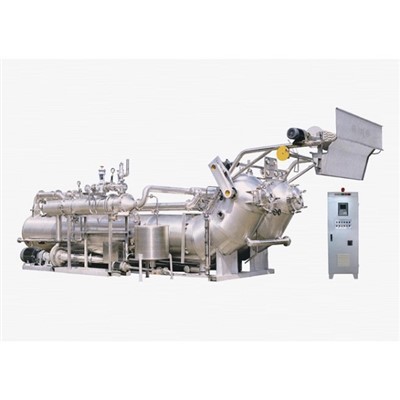
The [High Temperature Overflow Dyeing Machine](/soft - flow - dyeing - machine/high - temperature - overflow - dyeing - machine.html) is an excellent choice for dyeing synthetic fabrics. This machine can operate at high temperatures, which is essential for dyes to penetrate the dense structure of synthetic fibers. The overflow system ensures a continuous flow of dye liquor, promoting even dye distribution. The high - temperature environment also helps to open up the fiber structure, allowing the dyes to bond more effectively.
2. Multi Nozzle Soft Flow Dyeing Machine
The [Multi Nozzle Soft Flow Dyeing Machine](/soft - flow - dyeing - machine/multi - nozzle - soft - flow - dyeing - machine.html) is another option for synthetic fabric dyeing. The multiple nozzles in this machine provide a more uniform distribution of the dye liquor, reducing the chances of uneven dyeing. The soft - flow technology ensures gentle handling of the fabric, preventing damage during the dyeing process. This is particularly important for delicate synthetic fabrics like spandex.
3. Atmospheric Temperature Low Tension Evenflow Dyeing Machine
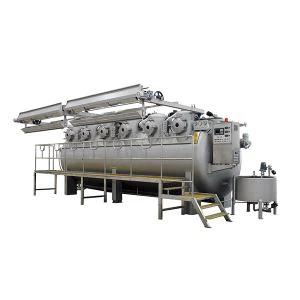
Although synthetic fabrics generally require high temperatures for dyeing, the [Atmospheric Temperature Low Tension Evenflow Dyeing Machine](/soft - flow - dyeing - machine/atmospheric - temperature - low - tension - evenflow.html) can also be used for certain types of synthetic fabrics. This machine is suitable for fabrics that can be dyed at lower temperatures or for processes that require a more gentle approach. The low - tension design minimizes fabric distortion, while the even - flow system ensures consistent dyeing results.
Technical Solutions for Dyeing Synthetic Fabrics
1. Dye Selection
Choosing the right dye is crucial for successful synthetic fabric dyeing. Disperse dyes are commonly used for polyester and other synthetic fibers. These dyes are insoluble in water but can be dispersed in a fine suspension. They have excellent affinity for synthetic fibers and can provide good color fastness.

2. Pretreatment
Pretreating the synthetic fabric before dyeing can improve dye uptake. This can involve processes such as scouring to remove impurities and additives that may interfere with the dyeing process. Additionally, some fabrics may benefit from a heat - setting treatment to stabilize the fiber structure and enhance dye absorption.
3. Dyeing Process Optimization
The dyeing process parameters, such as temperature, time, and pH, need to be carefully controlled. For high - temperature dyeing, the heating rate should be slow to prevent thermal shock to the fabric. The dyeing time should be sufficient for the dyes to penetrate the fibers fully. Adjusting the pH of the dye liquor can also affect the dyeing process, as different dyes have different optimal pH ranges.
Case Studies
Let's take a look at a few case studies to illustrate the successful use of our cloth dyeing machines for synthetic fabrics.

Case 1: Polyester Dyeing
A textile manufacturer approached us with the challenge of dyeing polyester fabrics with bright and fast - fading colors. We recommended our High Temperature Overflow Dyeing Machine. By using disperse dyes and optimizing the dyeing process parameters, the manufacturer was able to achieve excellent color results with high color fastness. The continuous flow of the dye liquor ensured even dye distribution, and the high - temperature environment allowed the dyes to bond effectively with the polyester fibers.
Case 2: Nylon Dyeing
Another customer wanted to dye nylon fabrics for sportswear. We suggested the Multi Nozzle Soft Flow Dyeing Machine. The multiple nozzles provided a uniform distribution of the dye liquor, resulting in consistent color throughout the fabric. The soft - flow technology prevented damage to the nylon fabric, maintaining its strength and elasticity.
Conclusion
In conclusion, cloth dyeing machines can indeed be used for synthetic fabrics, but it requires careful consideration of the fabric type, dyeing challenges, and the appropriate machine selection. Our range of [Atmospheric Temperature Low Tension Evenflow Dyeing Machine](/soft - flow - dyeing - machine/atmospheric - temperature - low - tension - evenflow.html), [Multi Nozzle Soft Flow Dyeing Machine](/soft - flow - dyeing - machine/multi - nozzle - soft - flow - dyeing - machine.html), and [High Temperature Overflow Dyeing Machine](/soft - flow - dyeing - machine/high - temperature - overflow - dyeing - machine.html) offers solutions for different synthetic fabric dyeing needs.
If you're in the textile industry and looking to enhance your synthetic fabric dyeing capabilities, I encourage you to reach out to us. Our team of experts can provide you with personalized advice and solutions based on your specific requirements. Let's work together to achieve the best dyeing results for your synthetic fabrics.
References
- "Textile Dyeing and Finishing Technology" by Xin, J. H.
- "Synthetic Fibers: Their Chemistry and Technology" by Mark, H. F.
- "Dyeing of Synthetic Fibers" in the "Encyclopedia of Textiles"