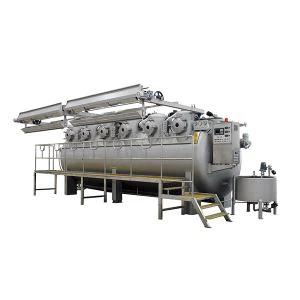
When it comes to the world of textile dyeing, one question that often pops up is, "Can a High Temperature Overflow Dyeing Machine be used for dyeing synthetic fibers?" As a supplier of these nifty machines, I've had my fair share of customers asking this very question. So, let's dive right in and explore this topic in detail.
Understanding Synthetic Fibers
First things first, we need to know what synthetic fibers are. Synthetic fibers are man - made fibers created through chemical processes. Some of the most common synthetic fibers include polyester, nylon, and acrylic. These fibers have unique properties that make them popular in the textile industry. For instance, polyester is known for its durability, wrinkle - resistance, and quick - drying nature. Nylon is strong and elastic, while acrylic is often used as a wool substitute due to its softness and warmth.
How a High Temperature Overflow Dyeing Machine Works
Before we can determine if it can dye synthetic fibers, let's understand how a High Temperature Overflow Dyeing Machine High Temperature Overflow Dyeing Machine works. This type of machine operates at high temperatures, usually between 120°C and 140°C. The dyeing process involves the fabric being circulated in an overflow of dye liquor. The high temperature helps to open up the fiber's structure, allowing the dye to penetrate more effectively.
The machine has a dyeing vessel where the dye liquor is heated and maintained at a specific temperature. The fabric is then fed into the machine and continuously circulated through the dye liquor. The overflow system ensures that the fabric is constantly in contact with fresh dye, resulting in a more even dyeing process.
Dyeing Synthetic Fibers with a High Temperature Overflow Dyeing Machine
Now, back to our main question. Can it be used for dyeing synthetic fibers? The answer is a resounding yes! In fact, high temperature overflow dyeing machines are well - suited for dyeing synthetic fibers for several reasons.
1. Dye Penetration
As mentioned earlier, synthetic fibers have a dense and compact structure. The high temperatures used in the high temperature overflow dyeing machine help to expand the fiber molecules, creating spaces for the dye to enter. This results in a more thorough and long - lasting dyeing process. For example, polyester fibers require high temperatures to allow disperse dyes to penetrate effectively. The heat softens the fiber, making it easier for the dye molecules to diffuse into the fiber's core.
2. Color Fastness
Synthetic fibers dyed using a high temperature overflow dyeing machine tend to have excellent color fastness. The high - heat process helps to bond the dye molecules to the fiber more securely. This means that the color is less likely to fade or bleed during washing, drying, or exposure to sunlight. For instance, nylon fibers dyed at high temperatures with acid dyes show better color retention compared to those dyed at lower temperatures.
3. Uniform Dyeing
The overflow system in the machine ensures that the fabric is evenly exposed to the dye liquor. This is especially important for synthetic fibers, which can be prone to uneven dyeing due to their smooth surface. The continuous circulation of the fabric through the overflow of dye helps to eliminate any color variations, resulting in a uniform and consistent color across the entire fabric.
Advantages of Using a High Temperature Overflow Dyeing Machine for Synthetic Fibers
There are several advantages to using this type of machine for dyeing synthetic fibers.
1. Efficiency
High temperature overflow dyeing machines can dye large quantities of fabric in a relatively short period. The high - speed circulation of the fabric and the efficient heating system allow for faster dyeing cycles. This is great for textile manufacturers who need to meet high - volume production demands.
2. Versatility
These machines can be adjusted to accommodate different types of synthetic fibers and dyes. You can change the temperature, dyeing time, and the flow rate of the dye liquor according to the specific requirements of the fiber and the desired color. This makes them a versatile option for textile dyeing operations.


3. Cost - effectiveness
In the long run, using a high temperature overflow dyeing machine can be cost - effective. The high color fastness means less re - dyeing and fewer quality control issues. Additionally, the efficient use of dye and energy reduces overall production costs.
Other Dyeing Machines in Our Range
While the high temperature overflow dyeing machine is great for synthetic fibers, we also offer other types of dyeing machines, such as the Multi Nozzle Soft Flow Dyeing Machine Multi Nozzle Soft Flow Dyeing Machine and the Soft Flow Fabric Dyeing Machine Soft Flow Fabric Dyeing Machine. These machines have their own unique features and are suitable for different types of fabrics and dyeing processes.
The multi - nozzle soft flow dyeing machine is designed to provide a gentle yet efficient dyeing process. It uses multiple nozzles to distribute the dye liquor evenly, which is ideal for delicate fabrics. The soft flow fabric dyeing machine, on the other hand, is known for its ability to handle a wide range of fabric types with a soft and smooth dyeing action.
Conclusion
In conclusion, a high temperature overflow dyeing machine is a great choice for dyeing synthetic fibers. Its ability to operate at high temperatures, combined with the overflow system, ensures excellent dye penetration, color fastness, and uniform dyeing. Whether you're a small - scale textile producer or a large - scale manufacturer, our high temperature overflow dyeing machines can meet your needs.
If you're interested in learning more about our dyeing machines or are looking to make a purchase, don't hesitate to reach out. We're here to help you find the perfect solution for your textile dyeing requirements.
References
- "Textile Dyeing and Finishing Technology" by Xungai Wang
- "Synthetic Fibers: Their Chemistry and Technology" by Herman F. Mark