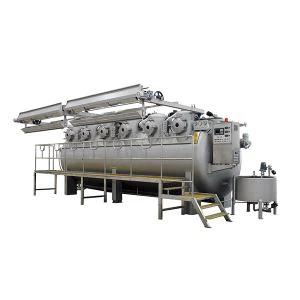
As a supplier of Atmospheric Soft Flow Dyeing Machines, I often encounter inquiries from customers regarding the compatibility of our machines with synthetic fiber fabrics. This topic is of great significance as synthetic fibers have become increasingly popular in the textile industry due to their diverse properties and wide range of applications. In this blog post, I will explore whether an Atmospheric Soft Flow Dyeing Machine can be effectively used for synthetic fiber fabrics, considering various aspects such as the characteristics of synthetic fibers, the working principles of the dyeing machine, and practical applications.
Characteristics of Synthetic Fiber Fabrics
Synthetic fibers are man - made fibers produced through chemical synthesis. Common types of synthetic fibers include polyester, nylon, acrylic, and spandex. Each type of synthetic fiber has its own unique properties:
Polyester
Polyester is one of the most widely used synthetic fibers. It is known for its high strength, wrinkle - resistance, and quick - drying properties. Polyester fibers have a relatively smooth surface and a dense molecular structure, which makes it a bit challenging for dyes to penetrate compared to natural fibers.
Nylon
Nylon is another popular synthetic fiber. It has excellent abrasion resistance, high elasticity, and good moisture absorption compared to polyester. Nylon fibers have a more porous structure than polyester, which allows for better dye absorption.
Acrylic
Acrylic fibers mimic the look and feel of wool. They are lightweight, warm, and resistant to sunlight and chemicals. Acrylic fibers also have a specific dye - uptake mechanism, and they require dyes that are suitable for their chemical composition.
Spandex
Spandex is a highly elastic synthetic fiber. It is often blended with other fibers to add stretch to fabrics. Due to its elastic nature, spandex requires special care during the dyeing process to avoid damage to its elasticity.
Working Principles of Atmospheric Soft Flow Dyeing Machines
Atmospheric Soft Flow Dyeing Machines operate under normal atmospheric pressure. These machines use a soft - flow system to circulate the dye liquor through the fabric. The main components of an Atmospheric Soft Flow Dyeing Machine include a dyeing vessel, a circulation pump, a heating system, and a control system.
The fabric is loaded into the dyeing vessel, and the dye liquor is circulated through the fabric at a controlled flow rate. The soft - flow system ensures that the fabric is gently treated during the dyeing process, reducing the risk of fabric damage. The heating system is used to adjust the temperature of the dye liquor, which is a crucial factor in the dyeing process as different dyes and fibers require different dyeing temperatures.
Compatibility of Atmospheric Soft Flow Dyeing Machines with Synthetic Fiber Fabrics
Advantages
- Gentle Treatment
Synthetic fiber fabrics, especially those with delicate structures such as some polyester blends or spandex - containing fabrics, can benefit from the gentle treatment provided by Atmospheric Soft Flow Dyeing Machines. The soft - flow system minimizes mechanical stress on the fabric, reducing the risk of fabric deformation, pilling, or damage to the fiber structure. - Uniform Dyeing
The circulation of the dye liquor in the machine ensures uniform dye distribution on the fabric. This is particularly important for synthetic fibers, as uneven dyeing can be more noticeable due to their smooth surface and uniform appearance. The ability to achieve uniform dyeing is crucial for high - quality synthetic fiber fabrics, especially those used in high - end fashion or technical applications. - Temperature Control
Atmospheric Soft Flow Dyeing Machines offer precise temperature control. Different synthetic fibers require different dyeing temperatures. For example, polyester typically requires a higher dyeing temperature (around 130 - 135°C) to ensure proper dye penetration, while nylon can be dyed at a relatively lower temperature. The heating system in the machine can be adjusted to meet the specific temperature requirements of different synthetic fibers, ensuring optimal dyeing results.
Challenges
- Dye Penetration
As mentioned earlier, some synthetic fibers, such as polyester, have a dense molecular structure, which makes it difficult for dyes to penetrate. In an Atmospheric Soft Flow Dyeing Machine, although the dye liquor is circulated, achieving complete dye penetration may require longer dyeing times or the use of special dyeing auxiliaries. - Dye Selection
Synthetic fibers require specific types of dyes. For example, disperse dyes are commonly used for polyester, while acid dyes are suitable for nylon. Selecting the right dye is crucial for achieving good color fastness and dyeing results. The dyeing process in an Atmospheric Soft Flow Dyeing Machine needs to be carefully adjusted according to the type of dye and fiber used. - Environmental Factors
The dyeing process of synthetic fibers can be affected by environmental factors such as humidity and air quality. In an Atmospheric Soft Flow Dyeing Machine, proper ventilation and environmental control are necessary to ensure consistent dyeing results.
Practical Applications
Polyester Fabrics
Atmospheric Soft Flow Dyeing Machines can be successfully used for dyeing polyester fabrics. For example, in the production of polyester sportswear, the machines can achieve uniform dyeing of bright and vibrant colors. The gentle treatment of the fabric ensures that the performance properties of the polyester, such as its moisture - wicking ability and durability, are not compromised.
Nylon Fabrics
Nylon fabrics, especially those used in outdoor clothing and luggage, can also be dyed using Atmospheric Soft Flow Dyeing Machines. The machines can provide good color fastness and uniform dyeing, which is important for the long - term use of nylon products.
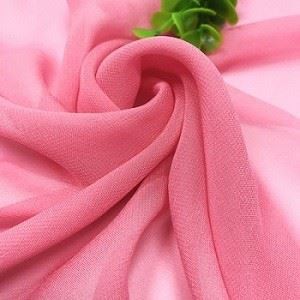

Acrylic and Spandex Blends
For acrylic and spandex blends, which are often used in stretchy and warm clothing, the gentle treatment of the Atmospheric Soft Flow Dyeing Machine is essential. The machine can handle the elastic nature of spandex and the specific dyeing requirements of acrylic fibers, ensuring that the fabric retains its stretch and color after dyeing.
Conclusion
In conclusion, an Atmospheric Soft Flow Dyeing Machine can be effectively used for synthetic fiber fabrics. While there are some challenges associated with dyeing synthetic fibers, such as dye penetration and dye selection, the advantages of gentle treatment, uniform dyeing, and precise temperature control make these machines a viable option for the textile industry.
If you are interested in purchasing an Atmospheric Soft Flow Dyeing Machine for your synthetic fiber fabric dyeing needs, or if you have any questions about our products, please feel free to contact us for further discussion. We are committed to providing high - quality dyeing solutions and excellent customer service.
For more information about our related products, you can visit the following links:
Dyeing Machine For Crepe Fabric High Pressure Rapid Dyeing Machine
High Temperature High Pressure Soft Flow Dyeing Machine
Soft Flow Fabric Dyeing Machine
References
- Lewis, D. M. (Ed.). (2007). The dyeing of synthetic fibres. Society of Dyers and Colourists.
- Zollinger, H. (2003). Color chemistry: syntheses, properties, and applications of organic dyes and pigments. Wiley - VCH.