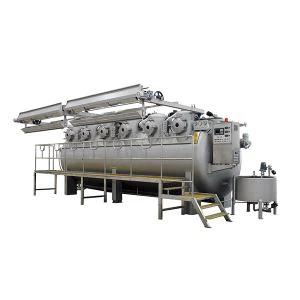
As a supplier of HTHP Soft Flow Fabric Dyeing Machines, I often encounter questions from customers regarding the machine's versatility, especially about its suitability for dyeing woven fabrics. In this blog post, I will delve into the details to provide a comprehensive answer to the question: Can HTHP Soft Flow Fabric Dyeing Machine be used for dyeing woven fabrics?
Understanding HTHP Soft Flow Fabric Dyeing Machine
Before discussing its application in dyeing woven fabrics, let's first understand what an HTHP Soft Flow Fabric Dyeing Machine is. HTHP stands for High Temperature High Pressure, which indicates that the machine can operate under high - temperature and high - pressure conditions. This feature is crucial for achieving effective dye penetration and fixation on fabrics.
The "soft flow" aspect of the machine refers to the gentle way it circulates the fabric and the dye liquor. Unlike some traditional dyeing methods that may subject the fabric to harsh mechanical forces, the soft flow system ensures that the fabric moves smoothly through the dye bath, minimizing damage to the fabric structure.
You can find more information about the HTHP Soft Flow Dyeing Machine on our website: HTHP Soft Flow Dyeing Machine.
Characteristics of Woven Fabrics
Woven fabrics are made by interlacing two or more sets of yarns at right angles to each other. This structure gives woven fabrics certain characteristics such as stability, durability, and a wide range of textures. Different types of woven fabrics, such as cotton, silk, polyester, and blends, have unique properties that need to be considered during the dyeing process.
Cotton woven fabrics, for example, are highly absorbent and can easily take up dyes. However, they may require specific dyeing conditions to ensure colorfastness. Silk woven fabrics are delicate and require gentle handling during dyeing to maintain their luster and softness. Polyester woven fabrics, on the other hand, have a more hydrophobic nature and often need high - temperature dyeing processes to achieve good color penetration.
Suitability of HTHP Soft Flow Fabric Dyeing Machine for Woven Fabrics
1. Dye Penetration
One of the key advantages of using an HTHP Soft Flow Fabric Dyeing Machine for woven fabrics is its ability to achieve excellent dye penetration. The high - temperature and high - pressure environment created by the machine allows the dye molecules to diffuse more effectively into the fibers of the woven fabric. This is particularly important for fabrics with a dense weave or synthetic fibers that are more resistant to dye uptake.
For example, when dyeing polyester woven fabrics, the high temperature in the HTHP machine helps to open up the fiber structure, allowing the disperse dyes to penetrate and bind to the fibers. The soft flow system ensures that the dye liquor is evenly distributed around the fabric, further enhancing the dye penetration process.
2. Color Uniformity
The gentle circulation of the fabric in the soft flow system of the HTHP machine contributes to better color uniformity across the woven fabric. In traditional dyeing methods, uneven mechanical agitation can cause color variations on the fabric surface. However, the soft flow system moves the fabric smoothly through the dye bath, preventing the formation of color streaks or uneven dye distribution.
This is especially beneficial for large - scale dyeing of woven fabrics, where consistent color quality is crucial for the final product. Whether it is a solid - colored fabric or a fabric with a complex pattern, the HTHP Soft Flow Fabric Dyeing Machine can help achieve a more uniform and consistent color result.
3. Fabric Protection
As mentioned earlier, the soft flow system of the HTHP machine is designed to minimize damage to the fabric. Woven fabrics, especially those made from delicate fibers like silk or high - count cotton, can be easily damaged by excessive mechanical stress during dyeing. The gentle movement of the fabric in the HTHP machine helps to preserve the fabric's original structure, texture, and strength.
This is important not only for maintaining the aesthetic quality of the woven fabric but also for ensuring its durability. Fabrics that are dyed using the HTHP Soft Flow Fabric Dyeing Machine are less likely to experience pilling, fraying, or other forms of damage that can occur during the dyeing process.
4. Compatibility with Different Dyes
The HTHP Soft Flow Fabric Dyeing Machine is compatible with a wide range of dyes, including reactive dyes for cotton, acid dyes for silk, and disperse dyes for polyester. This versatility makes it suitable for dyeing various types of woven fabrics.
For instance, when dyeing cotton woven fabrics, reactive dyes can be used in the HTHP machine. The high - temperature and high - pressure conditions help to promote the chemical reaction between the reactive dyes and the cotton fibers, resulting in good colorfastness. Similarly, acid dyes can be effectively used to dye silk woven fabrics in the HTHP machine, providing vibrant and long - lasting colors.
Case Studies
1. Dyeing Cotton Woven Fabrics
A textile manufacturer was facing challenges in achieving consistent color and high colorfastness when dyeing cotton woven fabrics using traditional dyeing methods. After switching to an HTHP Soft Flow Fabric Dyeing Machine, they noticed significant improvements.
The high - temperature and high - pressure environment in the machine allowed the reactive dyes to react more efficiently with the cotton fibers, resulting in better colorfastness. The soft flow system ensured that the fabric was evenly dyed, reducing color variations. As a result, the manufacturer was able to produce high - quality cotton woven fabrics with consistent color and improved customer satisfaction.
2. Dyeing Polyester Woven Fabrics
Another customer was struggling to dye polyester woven fabrics with disperse dyes to achieve deep and rich colors. The traditional dyeing methods they used did not provide sufficient dye penetration, resulting in dull and uneven colors.
By using an HTHP Soft Flow Fabric Dyeing Machine, the customer was able to take advantage of the high - temperature capabilities of the machine. The high temperature opened up the polyester fiber structure, allowing the disperse dyes to penetrate deeply into the fibers. The soft flow system ensured that the dye liquor was evenly distributed, resulting in vibrant and uniform colors on the polyester woven fabrics.
Considerations when Using HTHP Soft Flow Fabric Dyeing Machine for Woven Fabrics
1. Fabric Pretreatment
Proper fabric pretreatment is essential before dyeing woven fabrics in an HTHP Soft Flow Fabric Dyeing Machine. This may include desizing, scouring, and bleaching processes to remove impurities and improve the fabric's dyeability. Different types of woven fabrics may require different pretreatment methods.
For example, cotton woven fabrics often need to be desized to remove the sizing agents used during the weaving process. Silk woven fabrics may require gentle scouring to remove natural impurities and improve their luster. Neglecting proper pretreatment can affect the dyeing results and the overall quality of the woven fabric.
2. Dye Selection
Choosing the right dye for the specific type of woven fabric is crucial. As mentioned earlier, different fibers require different types of dyes. In addition, factors such as colorfastness requirements, environmental regulations, and cost also need to be considered when selecting dyes.
For example, if the woven fabric is intended for outdoor use, dyes with high lightfastness and weather resistance should be selected. If environmental concerns are a priority, eco - friendly dyes may be a better choice.
3. Process Parameters
Optimizing the process parameters of the HTHP Soft Flow Fabric Dyeing Machine is necessary to achieve the best dyeing results for woven fabrics. These parameters include temperature, pressure, dyeing time, and the flow rate of the dye liquor.
The temperature and pressure settings should be adjusted according to the type of fabric and the dye being used. For example, dyeing silk woven fabrics may require lower temperatures compared to polyester woven fabrics. The dyeing time should be sufficient to ensure complete dye penetration, but not too long to avoid over - dyeing or damage to the fabric.

Conclusion
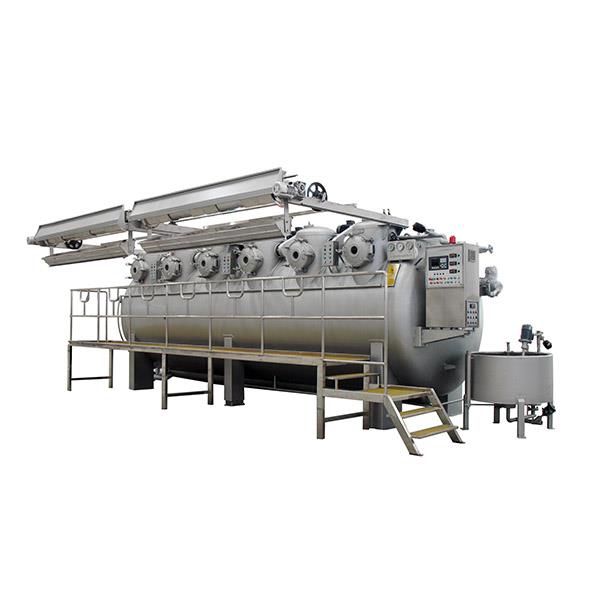
In conclusion, the HTHP Soft Flow Fabric Dyeing Machine is highly suitable for dyeing woven fabrics. Its ability to provide excellent dye penetration, color uniformity, fabric protection, and compatibility with different dyes makes it a versatile and effective tool for textile manufacturers.
However, to achieve the best results, proper fabric pretreatment, dye selection, and process parameter optimization are essential. If you are interested in learning more about our HTHP Soft Flow Fabric Dyeing Machine or have any questions regarding its application for dyeing woven fabrics, please feel free to contact us for a detailed discussion. You can also explore our Cloth Dyeing Machine and HTHP Soft Flow Fabric Dyeing Machine on our website. We look forward to the opportunity to collaborate with you and help you improve your fabric dyeing processes.
References
- Textile Dyeing and Finishing Technology, John Wiley & Sons, Inc.
- Handbook of Textile Fibre Structure, Woodhead Publishing Limited.