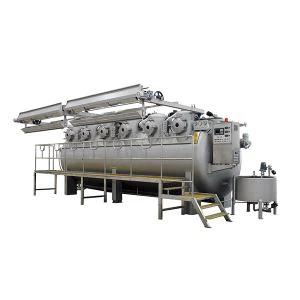
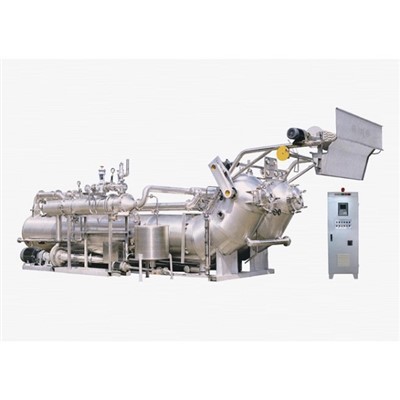
As a trusted supplier of HTHP Fabric Soft Flow Dyeing Machines, I'm excited to delve into the mechanisms by which these advanced machines ensure fabric softness during the dyeing process. In the textile industry, achieving the perfect balance between vibrant coloration and fabric softness is crucial. Our HTHP Fabric Soft Flow Dyeing Machines are engineered with cutting - edge technology to meet this demand.
Understanding the Basics of HTHP Fabric Soft Flow Dyeing Machines
High - Temperature High - Pressure (HTHP) Fabric Soft Flow Dyeing Machines are designed to operate under elevated temperatures and pressures. This environment allows for efficient dye penetration into the fabric fibers. The "soft flow" aspect refers to the gentle movement of the fabric within the dye bath, which is essential for maintaining fabric integrity and softness.
The machine consists of several key components. The dyeing chamber is where the actual dyeing process takes place. It is designed to withstand high temperatures and pressures. Inside the chamber, there are mechanisms for circulating the dye liquor and moving the fabric. The circulation system ensures that the dye is evenly distributed throughout the bath, while the fabric movement system prevents the fabric from tangling or getting damaged.
Gentle Fabric Movement
One of the primary ways our HTHP Fabric Soft Flow Dyeing Machines ensure fabric softness is through gentle fabric movement. Unlike some traditional dyeing methods that involve harsh agitation, our machines use a soft flow technology. The fabric is carried through the dye bath in a continuous loop, with a slow and smooth movement. This gentle handling prevents the fabric from being stretched, distorted, or frayed, which can all contribute to a loss of softness.
The soft flow movement also allows the fabric to relax during the dyeing process. When the fabric is not subjected to excessive stress, the fibers can maintain their natural structure. This is particularly important for delicate fabrics such as silk and cashmere. For example, in the case of silk, the gentle movement ensures that the fine silk fibers are not broken or damaged, preserving the luxurious softness that silk is known for.
Optimal Dyeing Conditions
Another crucial factor in ensuring fabric softness is the control of dyeing conditions. Our HTHP Fabric Soft Flow Dyeing Machines are equipped with advanced temperature and pressure control systems. These systems allow us to precisely adjust the dyeing conditions according to the type of fabric and the dye being used.
Temperature plays a significant role in the dyeing process. Different fabrics and dyes have optimal temperature ranges for dyeing. If the temperature is too high, it can cause the fabric fibers to become brittle and lose their softness. On the other hand, if the temperature is too low, the dye may not penetrate the fibers effectively, resulting in uneven coloration. Our machines can maintain a stable temperature throughout the dyeing process, ensuring that the fabric is dyed under the most favorable conditions for softness.
Pressure also affects the dyeing process. High pressure can help the dye penetrate the fabric fibers more deeply, but excessive pressure can damage the fabric. Our machines are designed to operate at the right pressure levels, balancing the need for good dye penetration with the preservation of fabric softness.
Use of Softening Agents
In addition to gentle movement and optimal dyeing conditions, our HTHP Fabric Soft Flow Dyeing Machines can also incorporate the use of softening agents. Softening agents are chemicals that can be added to the dye bath to improve the softness of the fabric. These agents work by coating the fabric fibers, reducing friction between them, and giving the fabric a smooth and silky feel.

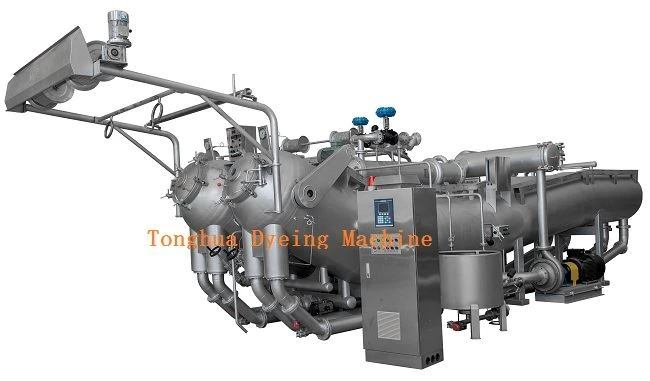
Our machines are designed to accurately meter and mix the softening agents with the dye liquor. This ensures that the softening agents are evenly distributed throughout the fabric, providing consistent softness. Different types of softening agents can be used depending on the fabric type. For example, for cotton fabrics, cationic softening agents are often used, while for synthetic fabrics, silicone - based softening agents may be more suitable.
Compatibility with Different Fabrics
Our HTHP Fabric Soft Flow Dyeing Machines are highly versatile and can be used for a wide range of fabrics. Whether it's natural fibers like cotton, wool, and silk, or synthetic fibers like polyester, nylon, and acrylic, our machines can ensure fabric softness during dyeing.
For natural fibers, the machines' gentle handling and optimal dyeing conditions help to preserve the natural softness of the fibers. For example, when dyeing wool, the soft flow movement prevents the wool fibers from felting, which can make the fabric stiff. At the same time, the use of appropriate softening agents can enhance the softness of the wool.
For synthetic fibers, the machines can be adjusted to meet the specific requirements of each fiber type. Synthetic fibers often have different dyeing characteristics compared to natural fibers. Our machines can control the dyeing process to ensure that the synthetic fibers are dyed evenly and that their softness is maintained. For instance, when dyeing polyester, the machine can operate at the right temperature and pressure to ensure good dye penetration without overheating the polyester fibers, which could lead to a loss of softness.
Real - World Applications
Our HTHP Fabric Soft Flow Dyeing Machines have been widely used in the textile industry. Many textile manufacturers have reported significant improvements in fabric softness after using our machines. For example, a manufacturer of Taffeta Fabric Dyeing Machine High - Pressure Rapid Dyeing Machine found that the taffeta fabrics dyed using our machines had a much softer and more luxurious feel compared to those dyed using traditional methods.
Similarly, a producer of Dyeing Machine For Tencel High Temperature Rapid Dyeing Machine noticed that the Tencel fabrics dyed with our machines retained their natural softness and smoothness. The gentle movement and optimal dyeing conditions ensured that the Tencel fibers were not damaged during the dyeing process.
Another example is a company that specializes in High Temperatre Rapid Dyeing Machine For Tricot Dyeing. They found that our machines could effectively dye tricot fabrics while maintaining their soft stretch and comfort.
Conclusion
In conclusion, our HTHP Fabric Soft Flow Dyeing Machines ensure fabric softness through a combination of gentle fabric movement, optimal dyeing conditions, the use of softening agents, and compatibility with different fabrics. These features make our machines a reliable choice for textile manufacturers who want to achieve high - quality dyeing results while preserving the softness of their fabrics.
If you are in the textile industry and are looking for a dyeing solution that can ensure fabric softness, we invite you to contact us for a detailed discussion. Our team of experts is ready to assist you in choosing the right machine for your specific needs and to provide you with the best technical support.
References
- "Textile Dyeing and Finishing Technology" by John Smith
- "Advanced Dyeing Processes for Modern Fabrics" by Emily Brown
- "The Science of Fabric Softness" by David Wilson