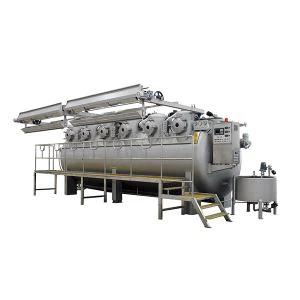
As a supplier of HTHP Dual Flow Fabric Dyeing Machines, I understand the critical role that the pH value of the dyeing bath plays in the fabric dyeing process. Maintaining the correct pH level is essential for achieving consistent color results, ensuring proper dye fixation, and preventing damage to the fabric. In this blog post, I will share some insights on how to adjust the pH value of the dyeing bath in an HTHP Dual Flow Fabric Dyeing Machine.
Understanding the Importance of pH in Dyeing
The pH value of the dyeing bath significantly affects the behavior of dyes and the interaction between dyes and fibers. Different types of dyes have specific pH requirements for optimal performance. For example, acid dyes work best in an acidic environment, typically at a pH range of 3 - 6, while reactive dyes often require an alkaline pH, usually between 10 - 12, for proper fixation on the fabric.
An incorrect pH level can lead to various problems, such as poor color yield, uneven dyeing, and reduced fastness properties. It can also cause damage to the fabric, resulting in weakened fibers and a decrease in the overall quality of the dyed product. Therefore, precise control of the pH value is crucial for achieving high - quality dyeing results.
Factors Affecting the pH of the Dyeing Bath
Several factors can influence the pH value of the dyeing bath. The water source used in the dyeing process is one of the primary factors. Tap water may contain minerals and other impurities that can affect the pH. Additionally, the chemicals added to the dyeing bath, such as dyes, auxiliaries, and electrolytes, can also alter the pH.
The type of fabric being dyed can also have an impact on the pH. Natural fibers like cotton and silk may have different pH requirements compared to synthetic fibers such as polyester and nylon. Moreover, the temperature and time of the dyeing process can cause changes in the pH due to chemical reactions occurring in the dyeing bath.
Measuring the pH of the Dyeing Bath
Before adjusting the pH, it is essential to accurately measure the current pH value of the dyeing bath. A pH meter is the most reliable tool for this purpose. Make sure the pH meter is calibrated regularly according to the manufacturer's instructions to ensure accurate readings.
To measure the pH, take a sample of the dyeing bath solution and immerse the electrode of the pH meter into the sample. Wait for the reading to stabilize, and record the pH value. It is recommended to take multiple measurements at different points in the dyeing bath to ensure a representative reading, especially in large - scale dyeing operations.
Adjusting the pH of the Dyeing Bath
Using Acidic Agents
If the pH of the dyeing bath is too high and needs to be lowered, acidic agents can be used. Common acidic agents include acetic acid, formic acid, and sulfuric acid. Acetic acid is a popular choice because it is relatively mild and easy to handle.
To adjust the pH with acetic acid, start by calculating the amount of acid required based on the volume of the dyeing bath and the desired pH change. Add the acid slowly to the dyeing bath while continuously stirring to ensure uniform distribution. Monitor the pH closely during the addition process to avoid over - acidification.
Using Alkaline Agents
When the pH of the dyeing bath is too low and needs to be raised, alkaline agents are used. Sodium carbonate, sodium hydroxide, and trisodium phosphate are commonly used alkaline agents. Sodium carbonate is often preferred for its relatively gentle nature.
Similar to adding acidic agents, calculate the amount of alkaline agent needed based on the volume of the dyeing bath and the desired pH increase. Add the alkaline agent gradually to the dyeing bath while stirring continuously. Regularly measure the pH to ensure that the desired pH level is reached.
Continuous Monitoring and Control
Adjusting the pH is not a one - time process. During the dyeing process, the pH can change due to chemical reactions, evaporation, and other factors. Therefore, continuous monitoring of the pH is necessary.
Some modern HTHP Dual Flow Fabric Dyeing Machines are equipped with pH control systems that can automatically monitor and adjust the pH. These systems use sensors to measure the pH in real - time and add the appropriate amount of acidic or alkaline agents to maintain the desired pH level.
If your dyeing machine does not have an automatic pH control system, you need to manually monitor the pH at regular intervals. This may involve taking samples from the dyeing bath every 10 - 15 minutes and adjusting the pH as needed.
Troubleshooting pH - Related Issues
Uneven pH Distribution
If you notice uneven dyeing, it could be due to uneven pH distribution in the dyeing bath. This can be caused by improper mixing of chemicals or insufficient circulation in the dyeing machine. To solve this problem, ensure that all chemicals are thoroughly mixed before adding them to the dyeing bath. Check the circulation system of the HTHP Dual Flow Fabric Dyeing Machine to make sure it is working properly.
Sudden pH Changes
Sudden pH changes during the dyeing process can be caused by the addition of incompatible chemicals or a malfunction in the pH control system. If you experience a sudden pH change, stop the dyeing process immediately. Check the chemicals added to the dyeing bath to ensure they are compatible. If you are using an automatic pH control system, check for any malfunctions and repair them as soon as possible.
Conclusion
Adjusting the pH value of the dyeing bath in an HTHP Dual Flow Fabric Dyeing Machine is a critical step in achieving high - quality dyeing results. By understanding the importance of pH, accurately measuring it, and using the appropriate acidic or alkaline agents for adjustment, you can ensure consistent color yield, even dyeing, and good fastness properties.
Continuous monitoring and control of the pH are essential to prevent pH - related problems during the dyeing process. If you encounter any issues, prompt troubleshooting can help minimize the impact on the quality of the dyed fabric.
If you are in the market for a reliable HTHP Dual Flow Fabric Dyeing Machine or need more information on pH control in the dyeing process, we are here to assist you. Our machines, such as the High Pressure Rapid Jet Dyeing Machine, HTHP LA Series Jet Dyeing Machine For Warp - knitted Velvet, and High Temperature and High Pressure Dyeing Machine, are designed to provide efficient and high - quality dyeing solutions. Contact us for more details and to discuss your specific requirements.
References
- "Textile Dyeing and Finishing" by John Shore
- "Handbook of Textile and Industrial Dyeing" edited by M. Clark
We look forward to the opportunity to work with you and help you achieve the best results in your fabric dyeing operations. Whether you are a small - scale dyer or a large - scale textile manufacturer, our team of experts can provide you with the support and solutions you need. Contact us today to start the procurement and negotiation process.