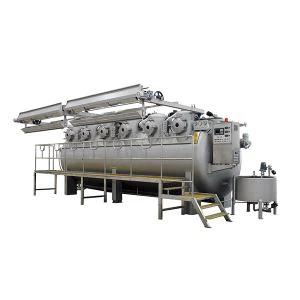
As a supplier of Atmospheric Soft Flow Dyeing Machines, ensuring the quality of dyeing is not only a technical challenge but also a commitment to our customers. In this blog, I will share some key strategies and practices that can help you achieve excellent dyeing results with our machines.
Understanding the Atmospheric Soft Flow Dyeing Machine
Before delving into the quality - ensuring methods, it's essential to understand the working principle of the Atmospheric Soft Flow Dyeing Machine. This type of machine operates under atmospheric pressure, which is different from the High - Temperature And High - Pressure Jet Dyeing Machine. The soft flow technology allows the fabric to move gently in the dye liquor, reducing mechanical stress and damage to the fabric. It is suitable for a wide range of fabrics, including delicate ones, and can provide uniform dyeing effects.
Selecting the Right Dyes and Chemicals
The quality of dyes and chemicals used in the dyeing process is fundamental. High - quality dyes with good solubility, lightfastness, and color fastness are crucial. Different types of fabrics require different types of dyes. For example, reactive dyes are commonly used for cellulosic fibers such as cotton, while acid dyes are suitable for protein fibers like wool and silk.
When choosing chemicals, such as leveling agents, dispersants, and fixing agents, make sure they are compatible with the dyes and the fabric. Incompatible chemicals can lead to issues like uneven dyeing, color bleeding, or poor color fastness. Conduct small - scale tests before large - scale production to ensure the compatibility of dyes and chemicals.
Controlling the Dyeing Parameters
Temperature
Temperature is one of the most critical parameters in the dyeing process. Different dyes have different optimal dyeing temperatures. For example, some disperse dyes require high - temperature dyeing (around 130°C), while others can be dyed at lower temperatures. In an Atmospheric Soft Flow Dyeing Machine, it is important to maintain a stable temperature throughout the dyeing process. Fluctuations in temperature can cause uneven dyeing. Use a reliable temperature control system to ensure accurate temperature regulation.
Time
The dyeing time also affects the quality of dyeing. Insufficient dyeing time may result in poor color uptake, while excessive time can lead to over - dyeing and damage to the fabric. Determine the appropriate dyeing time based on the type of fabric, dye, and dyeing conditions. Conduct trials to find the optimal time for each specific dyeing job.
pH Value
The pH value of the dye liquor has a significant impact on the dyeing process. Different dyes require different pH ranges for optimal dyeing. For example, reactive dyes usually require an alkaline pH for fixation, while acid dyes work best in an acidic environment. Use pH meters to monitor and adjust the pH value of the dye liquor accurately.
Liquor Ratio
The liquor ratio refers to the ratio of the volume of the dye liquor to the weight of the fabric. A proper liquor ratio is necessary for uniform dyeing. In an Atmospheric Soft Flow Dyeing Machine, a relatively low liquor ratio can be used, which not only saves water and energy but also helps to improve the dyeing efficiency. However, if the liquor ratio is too low, it may cause uneven dyeing due to insufficient circulation of the dye liquor. Determine the appropriate liquor ratio based on the fabric type and the machine's capacity.
Maintaining the Machine
Regular Cleaning
Regular cleaning of the Atmospheric Soft Flow Dyeing Machine is essential to prevent the accumulation of dirt, dye residues, and other impurities. Clean the machine after each dyeing cycle to remove any remaining dye and chemicals. Use appropriate cleaning agents and follow the manufacturer's instructions for cleaning.
Inspection and Maintenance
Regularly inspect the machine for any signs of wear and tear, such as leaks, damaged pipes, or malfunctioning valves. Replace any worn - out parts promptly to ensure the proper functioning of the machine. Lubricate moving parts regularly to reduce friction and extend the machine's lifespan.
Calibration
Periodically calibrate the machine's sensors, such as temperature sensors and flow meters, to ensure accurate measurement and control of the dyeing parameters. Inaccurate sensors can lead to incorrect temperature, flow rate, or other parameter settings, which can affect the quality of dyeing.
Training the Operators
Well - trained operators are crucial for ensuring the quality of dyeing. Provide comprehensive training to the operators on the operation of the Atmospheric Soft Flow Dyeing Machine, including how to set the dyeing parameters, how to handle different types of fabrics and dyes, and how to maintain the machine. Operators should also be trained in quality control procedures, such as color matching and inspection of the dyed fabric.
Quality Control and Testing
In - process Inspection
Conduct in - process inspection during the dyeing process to detect any potential problems early. Check the color uniformity, dye penetration, and other quality indicators at different stages of the dyeing process. If any issues are found, take corrective actions immediately, such as adjusting the dyeing parameters or adding additional chemicals.
Post - dyeing Testing
After the dyeing process is completed, conduct a series of tests on the dyed fabric. Test the color fastness to washing, rubbing, light, and perspiration. Use color measurement instruments to ensure accurate color matching. Compare the dyed fabric with the color standard to ensure that the color meets the customer's requirements.

Conclusion
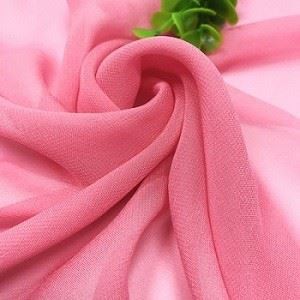
Ensuring the quality of dyeing in an Atmospheric Soft Flow Dyeing Machine requires a comprehensive approach that includes selecting the right dyes and chemicals, controlling the dyeing parameters, maintaining the machine, training the operators, and implementing quality control and testing procedures. By following these strategies, you can achieve excellent dyeing results and meet the high - quality standards of your customers.
If you are interested in our Soft Flow Fabric Dyeing Machine or Dyeing Machine For Crepe Fabric High Pressure Rapid Dyeing Machine, or if you have any questions about the dyeing process, please feel free to contact us for further discussion and procurement negotiation.
References
- Textile Dyeing and Finishing Technology, by Xungai Wang
- Handbook of Textile and Industrial Dyeing, edited by M. Clark