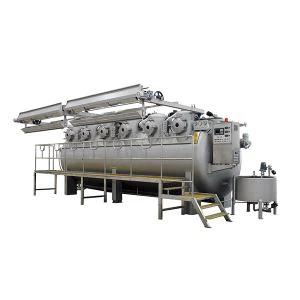
As a supplier of High Temperature High Pressure (HTHP) Soft Flow Dyeing Machines, I understand the growing importance of energy-saving in the textile dyeing industry. With increasing energy costs and a greater emphasis on environmental sustainability, improving the energy-saving performance of our machines is not only beneficial for our customers' bottom line but also for the planet. In this blog post, I will share some effective strategies to enhance the energy-saving capabilities of HTHP Soft Flow Dyeing Machines.

1. Optimize Machine Design
The design of the HTHP Soft Flow Dyeing Machine plays a crucial role in its energy consumption. A well-designed machine can minimize heat loss, reduce water usage, and improve the overall efficiency of the dyeing process.
- Insulation: Proper insulation of the dyeing vessel and pipes can significantly reduce heat loss. High-quality insulation materials, such as fiberglass or ceramic fiber, can be used to wrap the machine components. This helps to maintain the temperature inside the machine, reducing the energy required to heat the dyeing liquor.
- Heat Recovery Systems: Installing heat recovery systems can capture and reuse the heat from the exhaust steam or hot wastewater. These systems can preheat the incoming water or air, reducing the energy needed to heat the dyeing liquor. For example, a heat exchanger can be used to transfer heat from the hot wastewater to the cold incoming water.
- Efficient Pumping Systems: The pumping system is responsible for circulating the dyeing liquor through the machine. Using energy-efficient pumps can reduce the power consumption of the machine. Variable frequency drives (VFDs) can be installed on the pumps to adjust the flow rate according to the process requirements, saving energy during low-demand periods.
2. Improve Process Control
Precise process control is essential for optimizing the energy consumption of HTHP Soft Flow Dyeing Machines. By monitoring and adjusting key parameters, such as temperature, pressure, and flow rate, we can ensure that the dyeing process is carried out efficiently.

- Automated Control Systems: Implementing automated control systems can improve the accuracy and consistency of the dyeing process. These systems can monitor and adjust the temperature, pressure, and flow rate in real-time, ensuring that the machine operates at optimal conditions. For example, a programmable logic controller (PLC) can be used to control the heating and cooling systems, as well as the pumping and dosing systems.
- Dyeing Recipe Management: Developing and optimizing dyeing recipes can also contribute to energy savings. By using the right amount of dyes and chemicals, and by controlling the dyeing time and temperature, we can reduce the energy required for the dyeing process. Additionally, using low-temperature dyes and processes can further reduce energy consumption.
- Water Management: Efficient water management is another important aspect of energy-saving in HTHP Soft Flow Dyeing Machines. By recycling and reusing water, we can reduce the amount of fresh water required for the dyeing process. Additionally, using water-saving devices, such as low-flow nozzles and spray bars, can further reduce water consumption.
3. Regular Maintenance and Upgrades
Regular maintenance and upgrades are essential for ensuring the optimal performance of HTHP Soft Flow Dyeing Machines. By keeping the machine in good condition, we can prevent energy losses and improve its efficiency.
- Cleaning and Inspection: Regular cleaning and inspection of the machine components can prevent the buildup of dirt, scale, and other contaminants. This can improve the heat transfer efficiency of the machine and reduce the energy required to heat the dyeing liquor. Additionally, inspecting the seals, gaskets, and valves can prevent leaks, which can also lead to energy losses.
- Component Replacement: Over time, some components of the HTHP Soft Flow Dyeing Machine may wear out or become damaged. Replacing these components with new, energy-efficient ones can improve the overall performance of the machine. For example, replacing old pumps with new, high-efficiency pumps can reduce the power consumption of the machine.
- Software Upgrades: Updating the software of the machine can also improve its energy-saving capabilities. New software versions may include features such as energy management systems, which can monitor and optimize the energy consumption of the machine. Additionally, software upgrades can improve the accuracy and consistency of the dyeing process, further reducing energy consumption.
4. Staff Training and Awareness
Finally, staff training and awareness are crucial for ensuring the successful implementation of energy-saving measures in HTHP Soft Flow Dyeing Machines. By educating the operators about the importance of energy-saving and providing them with the necessary skills and knowledge, we can encourage them to adopt energy-efficient practices.

- Training Programs: Providing regular training programs for the operators can help them to understand the energy-saving features of the HTHP Soft Flow Dyeing Machine and how to use them effectively. These programs can cover topics such as machine operation, process control, and maintenance.
- Energy-Saving Awareness Campaigns: Launching energy-saving awareness campaigns can also help to promote a culture of energy efficiency in the workplace. These campaigns can include posters, newsletters, and training sessions, which can educate the operators about the importance of energy-saving and provide them with tips and tricks for reducing energy consumption.
- Incentive Programs: Implementing incentive programs can encourage the operators to adopt energy-efficient practices. For example, offering rewards or bonuses for achieving energy-saving targets can motivate the operators to take an active role in reducing energy consumption.
In conclusion, improving the energy-saving performance of HTHP Soft Flow Dyeing Machines is a complex but achievable goal. By optimizing the machine design, improving process control, conducting regular maintenance and upgrades, and providing staff training and awareness, we can significantly reduce the energy consumption of these machines. This not only benefits our customers' bottom line but also contributes to a more sustainable future for the textile dyeing industry.
If you are interested in learning more about our High Temperature High Pressure Soft Flow Dyeing Machine or our other products, such as the Atmospheric Temperature Low Tension Evenflow Dyeing Machine and the Dyeing Machine For Crepe Fabric High Pressure Rapid Dyeing Machine, please feel free to contact us for a detailed discussion and potential purchase. We are committed to providing high-quality, energy-efficient dyeing solutions to meet your specific needs.

References
- "Energy Efficiency in Textile Dyeing Processes" - Journal of Textile Engineering
- "Optimization of Dyeing Machine Design for Energy Savings" - International Journal of Advanced Manufacturing Technology
- "Advanced Process Control for Energy-Efficient Textile Dyeing" - IEEE Transactions on Industrial Electronics