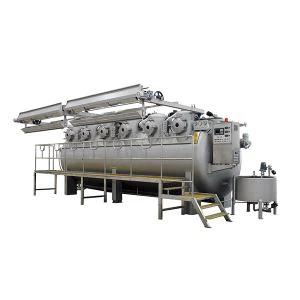
Hey there! As a supplier of Dual Flow Dyeing Machines, I know how important it is to keep these machines in top - notch condition. A well - maintained machine not only ensures high - quality dyeing results but also extends the lifespan of the equipment, saving you both time and money in the long run. So, let's dive into how you can maintain a Dual Flow Dyeing Machine effectively.
Regular Cleaning
Cleaning is the first and most basic step in maintaining your Dual Flow Dyeing Machine. After each dyeing cycle, you should thoroughly clean the machine to remove any leftover dye, chemicals, and fabric residues. Start by draining all the dye liquor from the machine. Make sure you follow the proper procedures for disposing of the used dye to avoid environmental pollution.
Next, use a high - pressure water jet to clean the inner surface of the dyeing vessel. Pay special attention to the corners and seams where residues may accumulate. You can also use a mild cleaning agent to enhance the cleaning effect. But be careful not to use any abrasive cleaners that could damage the machine's surface.
For the pipes and valves, use a pipe - cleaning brush to remove any blockages. Regularly inspect the valves for leaks and make sure they open and close smoothly. If you find any issues, replace the faulty valves as soon as possible.
Lubrication
Lubrication is crucial for the smooth operation of your Dual Flow Dyeing Machine. The moving parts, such as the pumps, motors, and conveyor belts, need proper lubrication to reduce friction and prevent wear and tear.
Check the lubrication levels of all the moving parts regularly. Use the lubricant recommended by the machine manufacturer. Over - lubrication can be just as bad as under - lubrication, so make sure you apply the right amount. For example, when lubricating the bearings, follow the manufacturer's instructions on the frequency and quantity of lubricant application.
Inspection of Electrical Components
The electrical components in a Dual Flow Dyeing Machine play a vital role in its operation. Regularly inspect the wiring, switches, and control panels for any signs of damage or wear. Loose connections can cause electrical problems, which may lead to malfunctions or even pose a safety hazard.
Check the insulation of the wires to ensure there are no exposed conductors. If you notice any frayed wires or damaged insulation, replace them immediately. Also, test the switches and relays to make sure they are functioning properly. You can use a multimeter to check the electrical continuity and voltage of the components.
Calibration
Calibration is necessary to ensure accurate and consistent dyeing results. Over time, the sensors and control systems in the Dual Flow Dyeing Machine may drift out of calibration, leading to inaccurate temperature, pressure, and flow rate readings.
Regularly calibrate the temperature sensors, pressure sensors, and flow meters according to the manufacturer's instructions. You may need to use specialized calibration equipment to perform this task. By keeping the sensors calibrated, you can ensure that the dyeing process is carried out under the correct conditions, resulting in high - quality dyed fabrics.
Maintenance of Heating and Cooling Systems
The heating and cooling systems in a Dual Flow Dyeing Machine are essential for controlling the dyeing temperature. The heating system, usually consisting of steam heaters or electric heaters, needs to be inspected regularly.
Check the heating elements for any signs of damage or over - heating. If a heating element is faulty, replace it promptly to avoid uneven heating during the dyeing process. For the cooling system, which is typically used to rapidly cool the dye liquor after the dyeing cycle, make sure the cooling coils are clean and free from blockages.
Monitoring and Record - Keeping
Keep a close eye on the performance of your Dual Flow Dyeing Machine. Monitor parameters such as temperature, pressure, flow rate, and dyeing time during each cycle. Any significant deviations from the normal values could indicate a problem with the machine.
Maintain a detailed record of all maintenance activities, including cleaning schedules, lubrication intervals, component replacements, and calibration results. This record - keeping will not only help you keep track of the machine's maintenance history but also provide valuable information for troubleshooting in case of any issues.
Operator Training
Last but not least, make sure your machine operators are well - trained. An experienced and knowledgeable operator can not only operate the machine efficiently but also detect and address minor issues before they turn into major problems.
Provide regular training sessions for your operators on machine operation, maintenance procedures, and safety precautions. Encourage them to report any abnormal noises, vibrations, or other signs of malfunction immediately.
If you're looking to enhance your dyeing capabilities, we also offer other great products like the TH-VT High Temperature Dyeing Machine, High Temperature and High Pressure Dyeing Machine, and HTHP Long Tube Rapid Fabric Dyeing Machine.
Maintaining a Dual Flow Dyeing Machine is a comprehensive task that requires regular attention and proper procedures. By following these maintenance tips, you can ensure that your machine operates smoothly, produces high - quality dyed fabrics, and has a long service life.


If you're interested in purchasing a Dual Flow Dyeing Machine or have any questions about machine maintenance, feel free to get in touch for a detailed discussion. We're always here to assist you in making the best choices for your dyeing operations.
References
- Textile Machinery Maintenance Handbook
- Manufacturer's Manual of Dual Flow Dyeing Machine