Selecting the appropriate dyes for a jet dyeing machine is a crucial process that significantly impacts the quality, efficiency, and overall success of the dyeing operation. As a reputable jet dyeing machine supplier, we understand the complexities involved in this selection and are here to guide you through the essential factors to consider.
Understanding Jet Dyeing Machines
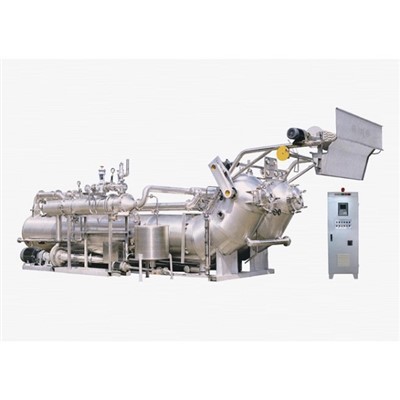
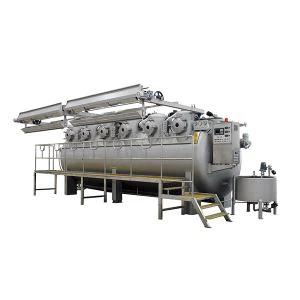
Before delving into dye selection, it's important to have a basic understanding of jet dyeing machines. These machines are designed to dye fabrics in a continuous or semi - continuous process. They use a high - velocity jet of dye liquor to circulate the fabric through the dye bath, ensuring uniform dye penetration and color distribution. Our company offers a range of jet dyeing machines, including the HTHP Jet Dyeing Machine For Coral Fleece Coral Velvet, HTHP LA Series Jet Dyeing Machine For Warp - knitted Velvet, and HTHP Knit Fabric Dyeing Machine, each tailored to specific fabric types and dyeing requirements.
Factors to Consider When Selecting Dyes
1. Fabric Type
The type of fabric being dyed is the primary factor in dye selection. Different fabrics have different chemical compositions, fiber structures, and physical properties, which determine their dye - affinity.
- Natural Fibers: Fabrics made from natural fibers such as cotton, wool, and silk require different dyes. For cotton, reactive dyes are a popular choice. Reactive dyes form a covalent bond with the cellulose fibers in cotton, resulting in excellent color fastness. Wool, on the other hand, can be dyed with acid dyes. These dyes are attracted to the amino groups in the wool fibers, providing vibrant and long - lasting colors.
- Synthetic Fibers: Synthetic fibers like polyester, nylon, and acrylic have unique dyeing characteristics. Polyester is typically dyed with disperse dyes. These dyes are insoluble in water and are applied in a fine dispersion. Nylon can be dyed with acid dyes or metal - complex dyes, depending on the desired color fastness and shade. Acrylic fibers are usually dyed with cationic dyes, which have a strong affinity for the negatively charged sites on the acrylic fibers.
2. Color Requirements
The desired color and shade play a vital role in dye selection. Some dyes are better suited for achieving bright, vivid colors, while others are more appropriate for pastel or earthy tones.
- Color Fastness: Color fastness refers to the ability of the dyed fabric to resist fading, bleeding, or staining under various conditions such as washing, light exposure, and rubbing. When selecting dyes, it's essential to consider the end - use of the fabric and the required level of color fastness. For example, fabrics used in outdoor applications need dyes with high light fastness, while those used in garments require good wash fastness.
- Shade Matching: Achieving an accurate shade match is crucial, especially when dyeing multiple batches of fabric. Dye manufacturers often provide color charts and sample swatches to help in shade selection. It's also important to conduct pre - dyeing tests on small fabric samples to ensure the desired shade is achieved.
3. Dyeing Process Conditions
The operating conditions of the jet dyeing machine, such as temperature, pH, and dyeing time, can affect the performance of the dyes.


- Temperature: Different dyes have different optimum dyeing temperatures. Some dyes require high temperatures to achieve proper dye fixation, while others can be applied at lower temperatures. For example, disperse dyes for polyester are typically applied at high temperatures (around 130°C) in a closed - system jet dyeing machine.
- pH: The pH of the dye bath is another critical factor. Some dyes work best in an acidic environment, while others require an alkaline medium. For instance, reactive dyes for cotton are usually applied in an alkaline bath, while acid dyes for wool are used in an acidic bath.
- Dyeing Time: The time required for dyeing depends on the type of dye, fabric, and dyeing machine. Longer dyeing times may be necessary for achieving deeper colors or better dye penetration. However, excessive dyeing time can lead to over - dyeing and damage to the fabric.
4. Cost and Availability
Cost is always an important consideration in any manufacturing process. The cost of dyes can vary significantly depending on the type, quality, and brand. It's important to balance the cost of the dyes with the desired quality and performance.
- Availability: The availability of dyes is also crucial. Some specialty dyes may be in limited supply or have long lead times. It's advisable to work with reliable dye suppliers who can ensure a consistent supply of the required dyes.
Testing and Quality Control
Before using a particular dye in a large - scale jet dyeing operation, it's essential to conduct thorough testing and quality control measures.
- Pre - Dyeing Tests: Pre - dyeing tests on small fabric samples can help in evaluating the dye's performance, such as color yield, color fastness, and compatibility with the fabric. These tests can also identify any potential problems, such as dye aggregation or uneven dyeing.
- Quality Control during Dyeing: Regular monitoring of the dyeing process parameters, such as temperature, pH, and dye concentration, is necessary to ensure consistent dyeing quality. In - process quality checks, such as color measurement using spectrophotometers, can help in detecting any deviations from the desired shade and taking corrective actions.
Environmental Considerations
In today's environmentally conscious world, it's important to consider the environmental impact of the dyes used in the jet dyeing process.
- Eco - Friendly Dyes: There is a growing demand for eco - friendly dyes that are free from harmful chemicals and heavy metals. These dyes are biodegradable and have a lower environmental footprint. Some examples of eco - friendly dyes include natural dyes derived from plants, insects, and minerals, as well as some synthetic dyes that meet strict environmental standards.
- Waste Management: The disposal of dyeing waste, including dye bath effluents, is a significant environmental concern. Proper waste treatment and management systems should be in place to minimize the release of pollutants into the environment.
Conclusion
Selecting the appropriate dyes for a jet dyeing machine is a complex but essential process. By considering factors such as fabric type, color requirements, dyeing process conditions, cost, and environmental impact, you can ensure high - quality dyeing results. As a jet dyeing machine supplier, we are committed to providing our customers with the latest information and support in dye selection. If you have any questions or need assistance in choosing the right dyes for your jet dyeing machine, please feel free to contact us for further discussion and procurement negotiation.
References
- Christie, R. M. (2001). Dyeing for Textiles: Principles, Processes and Properties. Woodhead Publishing.
- Trotman, E. R. (1993). Dyeing and Chemical Technology of Textile Fibres. Blackwell Science.
- Zollinger, H. (2003). Color Chemistry: Synthesis, Properties, and Applications of Organic Dyes and Pigments. Wiley - VCH.