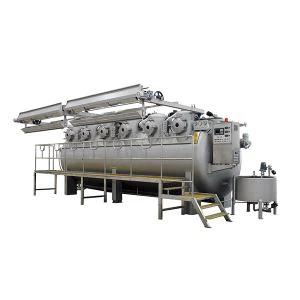
As a supplier of Sample Dyeing Machines, I've had extensive experience with these devices, understanding their capabilities and limitations. While Sample Dyeing Machines are invaluable tools in the textile industry, they come with a set of disadvantages that potential buyers should be aware of. This blog post aims to shed light on these drawbacks to help you make an informed decision when considering a purchase.
High Initial Investment
One of the most significant disadvantages of a Sample Dyeing Machine is the high initial investment required. These machines are equipped with advanced technology and precision components to ensure accurate dyeing results. The cost of research, development, and manufacturing is reflected in the price tag. For small - scale textile businesses or startups with limited capital, purchasing a high - quality Sample Dyeing Machine can be a substantial financial burden. Even the more basic models can be quite expensive, and the high - end models, such as the High Temperature High Pressure Sample Dyeing Machine, which offer more features and better performance, come with an even steeper price. This high upfront cost can limit the accessibility of these machines to smaller players in the industry.
Maintenance and Operating Costs
In addition to the initial purchase price, the maintenance and operating costs of a Sample Dyeing Machine are also relatively high. These machines need regular maintenance to ensure their proper functioning and longevity. Components such as pumps, valves, and heating elements may wear out over time and need to be replaced. The cost of spare parts can be significant, especially for imported or specialized components. Moreover, the energy consumption of Sample Dyeing Machines is relatively high. They often require a large amount of electricity or steam to heat the dyeing solution to the required temperature. The cost of water and dyeing chemicals also adds to the operating expenses. For businesses that run the machines frequently, these costs can accumulate quickly and put pressure on the profit margins.
Limited Production Capacity
Sample Dyeing Machines are designed primarily for small - scale dyeing tests and sample production. Their production capacity is limited compared to large - scale industrial dyeing machines. They are usually used to dye small pieces of fabric or yarn to determine the dyeing effect, color fastness, and other parameters before mass production. If a business needs to produce a large quantity of dyed products, using a Sample Dyeing Machine would be extremely inefficient. For example, if a company wants to dye a large batch of fabric for a commercial order, running multiple cycles on a Sample Dyeing Machine would take a long time and consume a large amount of resources. In such cases, a large - scale industrial dyeing machine would be a more suitable choice.
Complex Operation and Training Requirements
Operating a Sample Dyeing Machine requires a certain level of technical knowledge and skills. The machine has various parameters that need to be set correctly, such as temperature, time, pressure, and dye concentration. Incorrect settings can lead to poor dyeing results, such as uneven color, low color fastness, or damage to the fabric. Therefore, operators need to receive proper training to understand the working principles of the machine and how to operate it correctly. This training process can be time - consuming and costly for businesses. Moreover, finding skilled operators who are familiar with the operation of Sample Dyeing Machines can also be a challenge, especially in regions where the textile industry is not well - developed.
Environmental Impact
The dyeing process carried out by Sample Dyeing Machines can have a negative impact on the environment. Dyeing chemicals often contain heavy metals, dyes, and other pollutants. If the wastewater from the dyeing process is not treated properly, it can pollute water sources and harm the ecosystem. Although modern Sample Dyeing Machines are designed to be more environmentally friendly, they still produce a certain amount of wastewater that needs to be treated. The cost of wastewater treatment equipment and the operation of the treatment process are additional expenses for businesses. In addition, the energy consumption of these machines also contributes to carbon emissions, which is a concern in the context of global climate change.
Compatibility Issues
Sample Dyeing Machines may face compatibility issues with different types of fabrics and dyes. Different fabrics have different physical and chemical properties, and they may require different dyeing processes and conditions. Some fabrics, such as synthetic fibers, may need special dyes and dyeing methods. A Sample Dyeing Machine that is designed for natural fibers may not be suitable for dyeing synthetic fibers, and vice versa. Similarly, different dyes have different characteristics, and they may react differently with the machine's components. For example, some dyes may cause corrosion or blockage in the machine's pipes and valves. These compatibility issues can limit the versatility of the machine and require businesses to invest in multiple machines or make adjustments to the dyeing process.


Technical Obsolescence
The textile industry is constantly evolving, with new dyeing technologies and materials emerging all the time. Sample Dyeing Machines may become technically obsolete relatively quickly. As new machines with better performance, more features, and higher efficiency are introduced to the market, older models may no longer meet the requirements of modern dyeing processes. For example, a machine that does not support the latest digital control technology may be less competitive in terms of accuracy and ease of operation. Businesses that have invested in older - generation Sample Dyeing Machines may find themselves at a disadvantage when competing with those using the latest equipment.
Dependency on External Factors
Sample Dyeing Machines are often dependent on external factors such as the quality of water and power supply. Poor - quality water may contain impurities that can affect the dyeing process and the quality of the dyed products. For example, hard water with a high calcium and magnesium content may react with the dyes and cause precipitation or uneven dyeing. Similarly, an unstable power supply can cause problems for the machine's operation. Power outages or voltage fluctuations can damage the machine's electrical components or disrupt the dyeing process, leading to inconsistent results.
Despite these disadvantages, Sample Dyeing Machines still play an important role in the textile industry. They are essential for color matching, quality control, and new product development. If you are considering purchasing a Sample Dyeing Machine, it is important to weigh these drawbacks against the benefits and determine whether it is the right choice for your business.
If you have any questions about our Sample Dyeing Machines, such as the Fabric Dyeing Machine U - type or the Sample Fabric Dyeing Machine, and would like to discuss your specific needs, feel free to contact us. We are more than happy to assist you in making the best decision for your business.
References
- Textile Dyeing Technology Handbook, published by Textile Industry Press
- Research on the Energy - Saving and Environmental - Protection Technology of Dyeing Machines, Journal of Textile Science and Technology