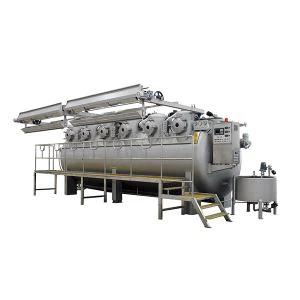
In the realm of textile dyeing, High-Temperature High-Pressure (HTHP) dyeing machines play a pivotal role in achieving high-quality and efficient dyeing results. One of the crucial components that contribute to the smooth operation and excellent performance of these machines is the filtration system. As a leading supplier of HTHP dyeing machines, I am delighted to share with you the ins and outs of the filtration system in an HTHP dyeing machine.
The Importance of Filtration in HTHP Dyeing Machines
Before delving into the details of the filtration system, it is essential to understand why filtration is so important in HTHP dyeing machines. During the dyeing process, various impurities such as lint, fibers, dye particles, and other contaminants can accumulate in the dye liquor. These impurities can have a significant impact on the dyeing quality, causing issues such as uneven dyeing, color spots, and reduced color fastness. Moreover, the presence of impurities can also damage the machine components, leading to increased maintenance costs and downtime.
The filtration system in an HTHP dyeing machine is designed to remove these impurities from the dye liquor, ensuring a clean and consistent dyeing environment. By maintaining the purity of the dye liquor, the filtration system helps to improve the dyeing quality, reduce the occurrence of defects, and extend the service life of the machine.
Components of the Filtration System
The filtration system in an HTHP dyeing machine typically consists of several key components, each playing a specific role in the filtration process. These components include:
1. Strainer
The strainer is the first line of defense in the filtration system. It is usually located at the inlet of the dye liquor circulation pump and is designed to remove large particles such as lint, fibers, and debris from the dye liquor. The strainer is typically made of a mesh material with a specific pore size, which allows the dye liquor to pass through while trapping the larger particles.
2. Filter Cartridge
After passing through the strainer, the dye liquor enters the filter cartridge. The filter cartridge is a more fine-grained filtration component that is designed to remove smaller particles such as dye particles, dirt, and other contaminants from the dye liquor. The filter cartridge is usually made of a porous material such as paper, fabric, or ceramic, which provides a large surface area for filtration.
3. Backwash System
Over time, the filter cartridge can become clogged with impurities, reducing its filtration efficiency. To prevent this from happening, the filtration system is equipped with a backwash system. The backwash system is designed to periodically reverse the flow of the dye liquor through the filter cartridge, dislodging the trapped impurities and flushing them out of the system. This helps to maintain the filtration efficiency of the filter cartridge and extend its service life.
4. Pressure Gauge
The pressure gauge is an important component of the filtration system that is used to monitor the pressure of the dye liquor in the system. By monitoring the pressure, the operator can detect any blockages or other issues in the filtration system and take appropriate action to address them.
Types of Filtration Systems
There are several types of filtration systems available for HTHP dyeing machines, each with its own advantages and disadvantages. The most common types of filtration systems include:
1. Mechanical Filtration System
The mechanical filtration system is the most basic type of filtration system and is typically used in smaller HTHP dyeing machines. This type of filtration system uses a combination of strainers and filter cartridges to remove impurities from the dye liquor. The mechanical filtration system is relatively simple and inexpensive, but it may not be suitable for applications that require a high level of filtration efficiency.
2. Centrifugal Filtration System
The centrifugal filtration system is a more advanced type of filtration system that uses centrifugal force to separate the impurities from the dye liquor. This type of filtration system is typically used in larger HTHP dyeing machines and is capable of removing smaller particles and contaminants from the dye liquor. The centrifugal filtration system is more expensive than the mechanical filtration system, but it offers a higher level of filtration efficiency and is more suitable for applications that require a high level of dyeing quality.
3. Membrane Filtration System
The membrane filtration system is the most advanced type of filtration system and is typically used in high-end HTHP dyeing machines. This type of filtration system uses a semi-permeable membrane to separate the impurities from the dye liquor. The membrane filtration system is capable of removing even the smallest particles and contaminants from the dye liquor, providing a high level of filtration efficiency and excellent dyeing quality. However, the membrane filtration system is also the most expensive type of filtration system and requires more maintenance and care.

Maintenance and Care of the Filtration System
To ensure the optimal performance of the filtration system in an HTHP dyeing machine, it is essential to perform regular maintenance and care. Here are some tips for maintaining and caring for the filtration system:
1. Regular Cleaning
The strainer and filter cartridge should be cleaned regularly to remove the trapped impurities. The frequency of cleaning depends on the operating conditions and the level of impurities in the dye liquor. In general, the strainer should be cleaned at least once a day, while the filter cartridge should be cleaned every few days or weeks.
2. Replacement of Filter Cartridges
The filter cartridges should be replaced periodically to ensure the continued effectiveness of the filtration system. The replacement interval depends on the type of filter cartridge and the operating conditions. In general, the filter cartridges should be replaced every few months or as recommended by the manufacturer.
3. Monitoring of Pressure Gauge
The pressure gauge should be monitored regularly to detect any blockages or other issues in the filtration system. If the pressure gauge indicates a significant increase in pressure, it may be a sign of a clogged filter cartridge or other problem in the system. In this case, the operator should take appropriate action to address the issue.
4. Use of High-Quality Dye Liquor
Using high-quality dye liquor can help to reduce the level of impurities in the system and extend the service life of the filtration components. It is recommended to use dye liquor that is free from contaminants and has a consistent quality.
Conclusion
The filtration system is an essential component of an HTHP dyeing machine that plays a crucial role in ensuring the quality and efficiency of the dyeing process. By removing impurities from the dye liquor, the filtration system helps to improve the dyeing quality, reduce the occurrence of defects, and extend the service life of the machine. As a supplier of HTHP dyeing machines, we offer a range of filtration systems to meet the specific needs of our customers. Whether you are looking for a mechanical filtration system, a centrifugal filtration system, or a membrane filtration system, we have the solution for you.
If you are interested in learning more about our HTHP dyeing machines and filtration systems, please visit our website at HTHP Jet Dyeing Machine For Coral Fleece Coral Velvet, HTHP Rapid Dyeing Machine, or High Temperature Fabric Dyeing Machine. Our team of experts is always available to answer your questions and provide you with the information you need to make an informed decision. Contact us today to discuss your requirements and explore how our HTHP dyeing machines and filtration systems can help you achieve your dyeing goals.
References
- "Textile Dyeing Technology" by Dr. A. K. Samanta
- "High-Temperature High-Pressure Dyeing Machines: Principles and Applications" by Dr. B. K. Ghosh
- "Filtration Systems for Textile Dyeing Machines" by Dr. C. K. Das