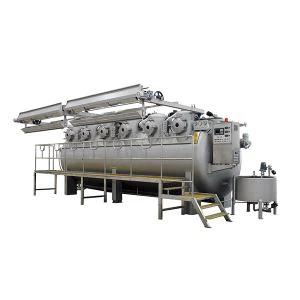
As a supplier of High Temperature Overflow Dyeing Machines, I often receive inquiries from customers about the maintenance frequency of these machines. Understanding the appropriate maintenance schedule is crucial for ensuring the longevity, efficiency, and optimal performance of the equipment. In this blog post, I will delve into the factors that influence the maintenance frequency of a High Temperature Overflow Dyeing Machine and provide some general guidelines to help you keep your machine in top condition.


Factors Influencing Maintenance Frequency
Machine Usage
The frequency of machine usage is one of the primary factors that determine how often maintenance is required. A High Temperature Overflow Dyeing Machine that operates continuously for long hours each day will naturally require more frequent maintenance compared to one that is used less intensively. For example, a large-scale textile manufacturing plant that runs multiple dyeing cycles around the clock will need to perform maintenance tasks more regularly than a small workshop that uses the machine for only a few hours a week.
Operating Conditions
The environment in which the dyeing machine operates also plays a significant role in determining maintenance frequency. Machines that are exposed to harsh conditions, such as high humidity, extreme temperatures, or a dusty environment, are more likely to experience wear and tear and may require more frequent maintenance. Additionally, the quality of the water and chemicals used in the dyeing process can impact the machine's components. Hard water or aggressive chemicals can cause corrosion and scaling, which may necessitate more frequent cleaning and maintenance.
Machine Age and Model
Older machines generally require more frequent maintenance than newer models. As a machine ages, its components may start to wear out, and it may be more prone to breakdowns. Additionally, newer models often incorporate advanced technologies and design features that make them more reliable and easier to maintain. Therefore, it is important to consider the age and model of your High Temperature Overflow Dyeing Machine when determining the maintenance schedule.
Manufacturer's Recommendations
The manufacturer of the dyeing machine provides specific maintenance guidelines and recommendations based on the machine's design and specifications. These guidelines typically include information on the recommended maintenance frequency for different components, such as pumps, valves, heaters, and filters. It is essential to follow the manufacturer's recommendations to ensure that your machine is properly maintained and to avoid voiding the warranty.
General Maintenance Frequency Guidelines
Daily Maintenance
- Visual Inspection: Conduct a visual inspection of the machine before and after each use. Check for any signs of leaks, loose connections, or damage to the components. Look for abnormal noises or vibrations during operation, as these may indicate a problem.
- Cleaning: Clean the machine's exterior and interior surfaces to remove any dirt, dust, or dye residues. Pay special attention to the areas around the nozzles, pumps, and filters, as these are prone to clogging.
- Lubrication: Check the lubrication levels of the machine's moving parts, such as bearings and gears, and add lubricant as needed. Proper lubrication helps to reduce friction and wear, ensuring smooth operation.
Weekly Maintenance
- Filter Cleaning or Replacement: Clean or replace the filters in the dyeing machine to prevent clogging and ensure proper flow of the dye liquor. Clogged filters can reduce the efficiency of the machine and affect the quality of the dyeing process.
- Pump and Valve Inspection: Inspect the pumps and valves for proper operation. Check for any signs of leaks, abnormal pressure, or irregular flow. If necessary, clean or replace the pump seals and valve gaskets.
- Heater Check: Check the heater elements for proper functioning. Ensure that the heaters are reaching the desired temperature and that there are no signs of overheating or damage.
Monthly Maintenance
- Calibration: Calibrate the machine's sensors and controls to ensure accurate temperature, pressure, and flow rate readings. This helps to maintain the consistency and quality of the dyeing process.
- Electrical System Inspection: Inspect the electrical system for any loose connections, frayed wires, or signs of overheating. Tighten any loose connections and replace any damaged components.
- Water and Chemical Supply Check: Check the water and chemical supply lines for leaks and blockages. Ensure that the water and chemicals are being supplied at the correct pressure and flow rate.
Quarterly Maintenance
- Component Replacement: Replace any worn or damaged components, such as belts, hoses, and seals. Regular replacement of these components helps to prevent breakdowns and ensure the long-term reliability of the machine.
- Machine Alignment: Check the alignment of the machine's components, such as the dyeing tank, pumps, and conveyor belts. Misaligned components can cause excessive wear and tear and may affect the performance of the machine.
- Performance Testing: Conduct performance testing of the machine to evaluate its efficiency and functionality. Measure the temperature, pressure, and flow rate during a dyeing cycle and compare the results to the manufacturer's specifications.
Annual Maintenance
- Comprehensive Inspection: Perform a comprehensive inspection of the entire machine by a qualified technician. This includes disassembling and inspecting all major components, such as the dyeing tank, pumps, heaters, and controls.
- Overhaul: Depending on the machine's age and usage, consider performing a major overhaul of the machine. This may involve replacing major components, such as the heater elements, pump motors, and control panels.
- Training and Documentation: Provide training to your operators on the proper maintenance and operation of the machine. Keep detailed records of all maintenance activities, including inspection reports, component replacements, and calibration results.
Importance of Regular Maintenance
Regular maintenance of a High Temperature Overflow Dyeing Machine offers several benefits, including:
- Improved Performance: Proper maintenance ensures that the machine operates at its optimal performance level, resulting in consistent and high-quality dyeing results.
- Extended Lifespan: By preventing premature wear and tear of the components, regular maintenance helps to extend the lifespan of the machine, reducing the need for costly replacements.
- Reduced Downtime: Scheduled maintenance helps to identify and address potential problems before they cause major breakdowns, minimizing unplanned downtime and production losses.
- Cost Savings: Although maintenance requires an investment of time and resources, it can actually save you money in the long run by reducing energy consumption, preventing costly repairs, and improving the efficiency of the dyeing process.
- Compliance with Safety Standards: Regular maintenance helps to ensure that the machine complies with safety standards and regulations, protecting the operators and the environment.
Conclusion
In conclusion, the frequency of maintenance required for a High Temperature Overflow Dyeing Machine depends on several factors, including machine usage, operating conditions, age and model, and manufacturer's recommendations. By following the general maintenance frequency guidelines outlined in this blog post and adhering to the manufacturer's instructions, you can ensure that your machine is properly maintained and operates at its best.
If you are in the market for a High Temperature Overflow Dyeing Machine or need further information on maintenance and operation, we invite you to explore our range of products, including the Ecofriendly Energy Saving Soft Flow Fabric Dyeing Machine, High-Temperature And High-Pressure Jet Dyeing Machine, and HTHP Soft Flow Dyeing Machine. Our team of experts is available to assist you with your specific requirements and to provide you with the best solutions for your textile dyeing needs. Contact us today to start a procurement discussion and take your dyeing operations to the next level.
References
- Textile Machinery Maintenance Handbook
- Manufacturer's Manuals for High Temperature Overflow Dyeing Machines