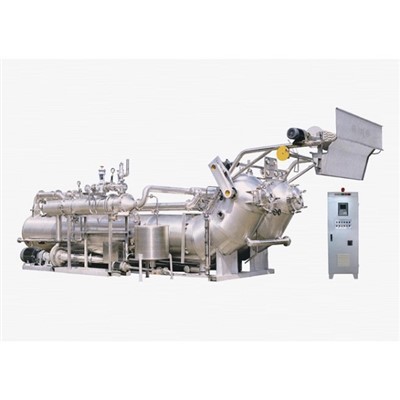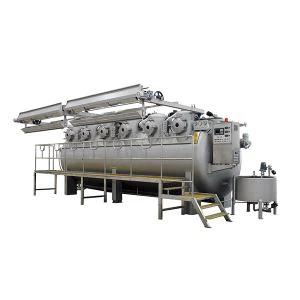
In the textile industry, the soft flow dyeing machine stands as a cornerstone of efficient and high - quality fabric dyeing. Among its numerous components, the fabric tension control device plays a pivotal yet often under - appreciated role. As a supplier of soft flow dyeing machines, I am eager to delve into the significance of this device and how it contributes to the overall performance of the machine.
The Basics of Soft Flow Dyeing Machines
Soft flow dyeing machines are designed to dye fabrics in a gentle and uniform manner. They operate by circulating the fabric through a dye bath using a flow of liquid, typically water or a dye solution. This method reduces mechanical stress on the fabric compared to traditional dyeing methods, resulting in less damage and a more consistent coloration. Our company offers a range of soft flow dyeing machines, including the TH - VA - B Low Bath Ratio Fabric Dyeing Machine Enviromental Friendly, the Ultra Low Bath Ratio Energy Saving Dyeing Machine, and the Jet Dyeing Machine For Cotton - ramie Fabrics. Each of these machines is engineered to meet the diverse needs of the textile industry, from small - scale production to large - scale manufacturing.


The Role of the Fabric Tension Control Device
Ensuring Uniform Dyeing
One of the primary functions of the fabric tension control device is to ensure uniform dyeing. When the fabric passes through the dye bath, consistent tension is crucial for the even distribution of the dye. If the tension is too high in some areas and too low in others, the dye may not penetrate the fabric evenly, resulting in color variations. The tension control device maintains a constant tension throughout the fabric, allowing the dye to be absorbed uniformly. This is especially important for fabrics with complex weaves or textures, where uneven tension can lead to significant color differences.
Preventing Fabric Damage
Excessive tension can cause irreversible damage to the fabric. It can stretch the fibers, leading to distortion of the fabric's structure and a loss of its original properties. On the other hand, insufficient tension can cause the fabric to bunch up or tangle, which can also result in damage during the dyeing process. The fabric tension control device carefully regulates the tension to keep it within a safe and optimal range. By doing so, it protects the fabric from mechanical damage, ensuring that the final product meets the highest quality standards.
Facilitating Smooth Fabric Movement
Smooth movement of the fabric through the dyeing machine is essential for efficient operation. The tension control device helps to guide the fabric through the various components of the machine, such as the nozzles, rollers, and dye baths, without any interruptions. It ensures that the fabric moves at a consistent speed, preventing jams and reducing the risk of downtime. This is particularly important in high - speed dyeing operations, where even a minor disruption can lead to significant losses in productivity.
Adapting to Different Fabric Types
Different types of fabrics have different physical properties, such as elasticity, strength, and thickness. These properties require different levels of tension during the dyeing process. The fabric tension control device is designed to be adjustable, allowing it to adapt to the specific requirements of various fabric types. Whether it is a delicate silk fabric or a heavy - duty denim, the device can be fine - tuned to provide the appropriate tension, ensuring optimal dyeing results for each fabric.
Technical Aspects of the Fabric Tension Control Device
The fabric tension control device typically consists of several components, including tension sensors, actuators, and a control system. The tension sensors continuously monitor the tension of the fabric as it moves through the machine. They send real - time data to the control system, which analyzes the information and determines whether any adjustments are needed. If the tension is too high or too low, the control system sends a signal to the actuators, which adjust the tension accordingly.
There are different types of actuators used in fabric tension control devices, such as pneumatic, hydraulic, and electric actuators. Each type has its own advantages and disadvantages, depending on the specific requirements of the dyeing machine. Pneumatic actuators are often preferred for their simplicity and cost - effectiveness, while hydraulic actuators offer high force and precision. Electric actuators, on the other hand, provide fast response times and are easy to integrate with modern control systems.
Impact on Energy Efficiency
The fabric tension control device also has a significant impact on the energy efficiency of the soft flow dyeing machine. By maintaining optimal tension, the device reduces the resistance of the fabric as it moves through the machine. This means that less energy is required to drive the fabric through the various components, resulting in lower energy consumption. Additionally, the smooth movement of the fabric facilitated by the tension control device allows the machine to operate at its maximum efficiency, further reducing energy waste.
Quality Assurance and Customer Satisfaction
In the textile industry, quality is of utmost importance. The fabric tension control device plays a crucial role in ensuring that the final dyed fabric meets the highest quality standards. By providing uniform dyeing, preventing fabric damage, and facilitating smooth fabric movement, it helps to produce consistent and high - quality products. This, in turn, leads to higher customer satisfaction and a stronger reputation for our company.
When customers choose our soft flow dyeing machines, they can be confident that the fabric tension control device will deliver reliable and precise performance. Our machines are rigorously tested and calibrated to ensure that the tension control device operates at its best. We also provide comprehensive after - sales support, including maintenance and technical assistance, to ensure that our customers can continue to produce high - quality dyed fabrics with minimal disruptions.
Future Developments in Fabric Tension Control
As the textile industry continues to evolve, there is a growing demand for more advanced and intelligent fabric tension control devices. Future developments may include the integration of artificial intelligence and machine learning technologies. These technologies can analyze large amounts of data collected from the tension sensors to predict and prevent potential problems before they occur. They can also optimize the tension control process in real - time, based on the specific characteristics of the fabric and the dyeing conditions.
Another area of development is the improvement of the device's adaptability. Future tension control devices may be able to automatically adjust to a wider range of fabric types and dyeing processes without the need for manual intervention. This will further enhance the efficiency and flexibility of the soft flow dyeing machines, making them more suitable for the ever - changing needs of the textile industry.
Conclusion
The fabric tension control device is an indispensable component of a soft flow dyeing machine. Its role in ensuring uniform dyeing, preventing fabric damage, facilitating smooth fabric movement, adapting to different fabric types, and improving energy efficiency cannot be overstated. As a supplier of soft flow dyeing machines, we are committed to providing our customers with the highest - quality machines equipped with state - of - the - art fabric tension control devices.
If you are in the textile industry and are looking for a reliable and efficient soft flow dyeing machine, we invite you to contact us for a detailed discussion. Our team of experts will be happy to assist you in choosing the right machine for your specific needs and to provide you with all the information you need to make an informed decision. We look forward to the opportunity to work with you and to contribute to the success of your textile business.
References
- Textile Dyeing Technology Handbook, [Publisher Name], [Year]
- Advances in Fabric Dyeing Machinery, [Author Name], [Journal Name], [Volume], [Year]
- Principles of Tension Control in Industrial Processes, [Author Name], [Book Title], [Publisher], [Year]