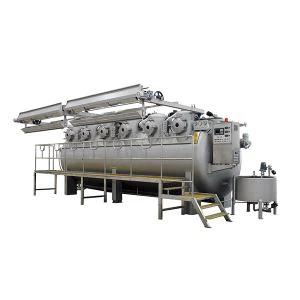
Hey there! As a supplier of HTHP Soft Flow Dyeing Machines, I'm super excited to share with you the working principle of these amazing pieces of equipment. In the textile industry, the HTHP Soft Flow Dyeing Machine plays a crucial role in achieving high - quality dyeing results. So, let's dive right in!
Basic Concept
First off, HTHP stands for High Temperature High Pressure. The "Soft Flow" part refers to the gentle way the fabric is moved through the dyeing process. This machine is designed to dye various types of fabrics, from delicate silks to sturdy cottons, without causing excessive damage to the fabric structure.
The main idea behind the HTHP Soft Flow Dyeing Machine is to create an environment where the dye can penetrate the fabric evenly and efficiently. To do this, it combines high temperature, high pressure, and a soft - flowing dye liquor to ensure that the dye molecules bond well with the fabric fibers.
Key Components
Before we get into the working process, let's take a look at the key components of the HTHP Soft Flow Dyeing Machine.
- Dyeing Vessel: This is where the actual dyeing takes place. It's a sealed container that can withstand high temperatures and pressures. The vessel is usually made of high - quality stainless steel to prevent corrosion and ensure a long service life.
- Circulation System: The circulation system is responsible for moving the dye liquor through the fabric. It consists of pumps, pipes, and nozzles. The pumps create a flow of the dye liquor, and the nozzles spray the liquor onto the fabric in a controlled manner.
- Heating System: To reach the high temperatures required for dyeing, the machine is equipped with a heating system. This can be either steam - heated or electrically heated, depending on the model. The heating system ensures that the dye liquor reaches and maintains the optimal temperature for the dyeing process.
- Control System: Modern HTHP Soft Flow Dyeing Machines are equipped with advanced control systems. These systems allow operators to set and monitor various parameters such as temperature, pressure, flow rate, and dyeing time. This ensures that the dyeing process is consistent and repeatable.
Working Process
1. Fabric Loading
The first step in the dyeing process is to load the fabric into the dyeing vessel. The fabric is carefully placed in the vessel, and the vessel is then sealed tightly to prevent any leakage during the high - pressure operation.
2. Dye Liquor Preparation
Next, the dye liquor is prepared. This involves mixing the dye, chemicals, and water in the correct proportions. The dye liquor is then pumped into the dyeing vessel through the circulation system.
3. Heating and Pressurizing
Once the dye liquor is in the vessel, the heating system is activated. The temperature of the dye liquor starts to rise, and at the same time, the pressure inside the vessel also increases. The high temperature and pressure help to open up the fabric fibers, making it easier for the dye molecules to penetrate.
4. Dyeing Process
As the temperature and pressure reach the set values, the circulation system starts to work. The dye liquor is circulated through the fabric, and the nozzles spray the liquor onto the fabric from different angles. This ensures that the dye is evenly distributed across the fabric surface.
During the dyeing process, the dye molecules diffuse into the fabric fibers and form chemical bonds with them. The soft - flow design of the machine ensures that the fabric is not subjected to excessive mechanical stress, which helps to maintain the fabric's original quality.
5. Rinsing and Cooling
After the dyeing process is complete, the remaining dye liquor is drained from the vessel. Then, the fabric is rinsed with clean water to remove any excess dye and chemicals. The rinsing process is usually done multiple times to ensure that the fabric is thoroughly cleaned.
Finally, the fabric is cooled down to room temperature. This can be done either by natural cooling or by using a cooling system in the machine.
Advantages of HTHP Soft Flow Dyeing Machine
- High - Quality Dyeing: The combination of high temperature, high pressure, and soft flow ensures that the dye penetrates the fabric evenly, resulting in vibrant and long - lasting colors.
- Low Fabric Damage: The soft - flow design reduces the mechanical stress on the fabric, minimizing damage to the fabric structure. This is especially important for delicate fabrics.
- Energy Efficiency: Modern HTHP Soft Flow Dyeing Machines are designed to be energy - efficient. They use advanced heating and circulation systems that consume less energy while achieving excellent dyeing results.
- Versatility: These machines can be used to dye a wide range of fabrics, including Jet Dyeing Machine For Crepe Fabric, Soft Flow Dyeing Machine For Cotton Twill, and Atmospheric Soft Flow Dyeing Machine.
Why Choose Our HTHP Soft Flow Dyeing Machines
As a supplier, we take pride in offering high - quality HTHP Soft Flow Dyeing Machines. Our machines are designed with the latest technology and are built to last. We provide comprehensive after - sales service, including installation, training, and maintenance.
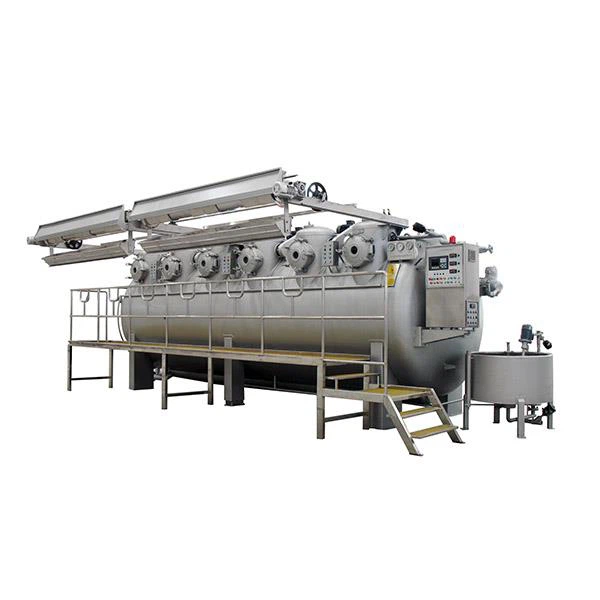

If you're in the textile industry and looking for a reliable dyeing solution, our HTHP Soft Flow Dyeing Machines are the way to go. Whether you're dyeing small batches or large volumes of fabric, our machines can meet your needs.
Conclusion
In conclusion, the HTHP Soft Flow Dyeing Machine is a remarkable piece of equipment that has revolutionized the textile dyeing industry. Its working principle, which combines high temperature, high pressure, and soft flow, ensures high - quality dyeing results with minimal fabric damage.
If you're interested in our HTHP Soft Flow Dyeing Machines or have any questions about the dyeing process, feel free to reach out to us for a purchase negotiation. We're here to help you take your textile dyeing business to the next level.
References
- Textile Dyeing Technology Handbook
- Research Papers on High - Temperature High - Pressure Dyeing Processes