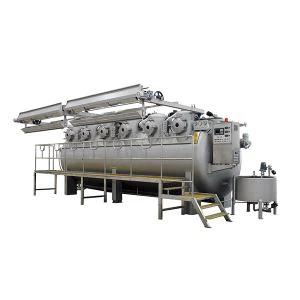
As a supplier of Soft Flow Dyeing Machines, I am often asked about the types of fabrics these machines can process. Soft Flow Dyeing Machines are versatile pieces of equipment that can handle a wide range of fabrics, offering excellent dyeing results with minimal damage to the fabric. In this blog post, I will explore the various types of fabrics that a Soft Flow Dyeing Machine can process, highlighting the unique advantages and considerations for each.
Natural Fibers
Cotton
Cotton is one of the most commonly dyed fabrics using Soft Flow Dyeing Machines. It is a natural fiber known for its comfort, breathability, and absorbency. The gentle flow of the dye liquor in a Soft Flow Dyeing Machine ensures even penetration of the dye into the cotton fibers, resulting in vibrant and long - lasting colors. Whether it's plain cotton fabrics, cotton twill, or cotton blends, these machines can achieve excellent dyeing results. For instance, our Soft Flow Dyeing Machine For Cotton Twill is specifically designed to handle the unique characteristics of cotton twill, providing uniform dyeing across the fabric's diagonal weave.
Linen
Linen is another natural fiber that can be effectively dyed using Soft Flow Dyeing Machines. Made from the flax plant, linen is known for its strength, durability, and coolness. However, linen can be prone to wrinkling and may require special handling during the dyeing process. The soft flow action of the dyeing machine helps to minimize mechanical stress on the linen fabric, reducing the risk of damage and ensuring consistent dyeing. The gentle agitation also allows the dye to penetrate the dense linen fibers evenly, resulting in rich and deep colors.

Silk
Silk is a luxurious natural fiber that requires delicate handling during the dyeing process. Soft Flow Dyeing Machines are well - suited for silk dyeing as they provide a gentle and controlled environment. The slow and smooth flow of the dye liquor helps to prevent abrasion and damage to the delicate silk fibers. This results in a uniform dyeing effect, enhancing the natural luster and beauty of the silk fabric. Whether it's silk chiffon, silk satin, or silk crepe, Soft Flow Dyeing Machines can achieve high - quality dyeing results, making them a popular choice among silk manufacturers.
Synthetic Fibers
Polyester
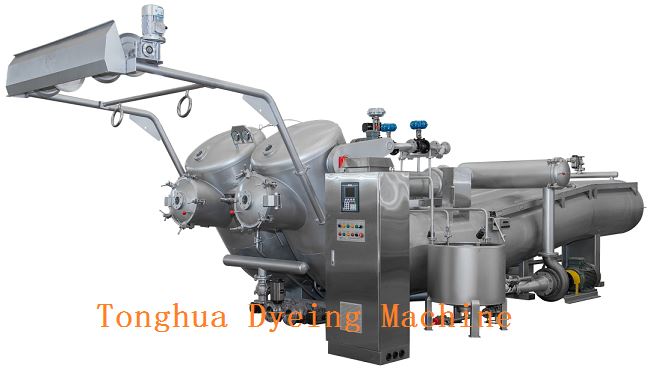
Polyester is a widely used synthetic fiber known for its durability, wrinkle - resistance, and easy care. Soft Flow Dyeing Machines can process polyester fabrics effectively, thanks to their ability to control the dyeing temperature and flow rate. Polyester often requires high - temperature dyeing to achieve good color fastness. The advanced heating and circulation systems in Soft Flow Dyeing Machines can maintain a stable and precise temperature throughout the dyeing process, ensuring that the dye is properly fixed to the polyester fibers. Our Multi Nozzle Soft Flow Dyeing Machine is particularly effective for polyester dyeing, as the multiple nozzles provide a more even distribution of the dye liquor, resulting in consistent color across the fabric.
Nylon
Nylon is another synthetic fiber that can be dyed using Soft Flow Dyeing Machines. It is known for its strength, elasticity, and abrasion resistance. Nylon fabrics can be dyed to a wide range of colors, and the soft flow action of the dyeing machine helps to ensure uniform color uptake. The gentle agitation also reduces the risk of pilling and other surface defects on the nylon fabric. Soft Flow Dyeing Machines can adjust the dyeing parameters according to the specific requirements of nylon, such as the type of dye and the desired color depth.
Blended Fabrics
Cotton - Polyester Blends
Cotton - polyester blends are very popular in the textile industry as they combine the comfort of cotton with the durability and easy - care properties of polyester. Soft Flow Dyeing Machines can handle these blended fabrics effectively, as they can adjust the dyeing process to suit the different characteristics of the two fibers. The dyeing machine can ensure that both the cotton and polyester components are dyed evenly, resulting in a fabric with consistent color and appearance. The gentle flow of the dye liquor also helps to minimize any differential dyeing between the two fibers, ensuring a high - quality end product.
Silk - Polyester Blends
Silk - polyester blends offer a combination of the luxury of silk and the performance of polyester. Dyeing these blends can be challenging due to the different dyeing requirements of silk and polyester. However, Soft Flow Dyeing Machines can overcome these challenges by providing a controlled and gentle dyeing environment. The machine can adjust the temperature, pH, and flow rate of the dye liquor to ensure that both the silk and polyester fibers are dyed uniformly. This results in a fabric that combines the best of both worlds, with a beautiful appearance and excellent performance.

Technical Considerations for Different Fabrics
When processing different types of fabrics using a Soft Flow Dyeing Machine, several technical considerations need to be taken into account.
Bath Ratio
The bath ratio, which is the ratio of the weight of the fabric to the volume of the dye liquor, is an important factor. Different fabrics may require different bath ratios for optimal dyeing. For example, lightweight and porous fabrics may require a higher bath ratio to ensure complete penetration of the dye, while heavy - weight and dense fabrics may require a lower bath ratio. Our Ultra Low Bath Ratio Energy Saving Dyeing Machine is designed to work with a wide range of bath ratios, allowing for efficient and cost - effective dyeing of various fabrics.
Dye Selection
The choice of dye is also crucial. Different fabrics have different affinities for dyes, and the type of dye used can affect the color fastness, shade, and overall quality of the dyed fabric. For natural fibers, reactive dyes are often used as they can form a chemical bond with the fiber, resulting in good color fastness. For synthetic fibers, disperse dyes are commonly used as they can dissolve in the fiber at high temperatures. Soft Flow Dyeing Machines can be adjusted to work with different types of dyes, ensuring that the best dyeing results are achieved for each fabric type.
Temperature and Time
The dyeing temperature and time are key parameters that need to be carefully controlled. Different fabrics have different optimal dyeing temperatures and times. For example, polyester requires high - temperature dyeing (around 130°C) for a certain period of time to ensure proper dye fixation, while silk requires a lower temperature to avoid damage to the delicate fibers. Soft Flow Dyeing Machines are equipped with advanced temperature control systems that can maintain a precise temperature throughout the dyeing process, and the dyeing time can also be accurately adjusted according to the fabric type.
Conclusion
In conclusion, Soft Flow Dyeing Machines are highly versatile and can process a wide variety of fabrics, including natural fibers, synthetic fibers, and blended fabrics. They offer several advantages, such as gentle handling, even dye penetration, and the ability to adjust to different fabric characteristics. Whether you are a small - scale textile manufacturer or a large - scale industrial producer, our Soft Flow Dyeing Machines can meet your dyeing needs.
If you are interested in learning more about our Soft Flow Dyeing Machines or would like to discuss your specific fabric dyeing requirements, we invite you to contact us for a detailed consultation. Our team of experts is ready to assist you in choosing the right machine and optimizing your dyeing process.
References
- Textile Dyeing Technology, Third Edition by Shishir Kumar Ghosh
- Handbook of Textile and Industrial Dyeing by Michael Clark