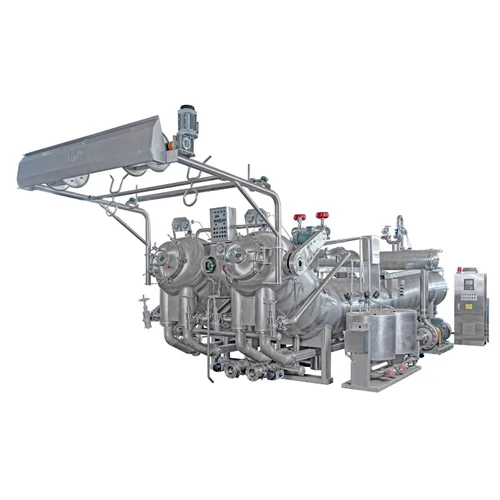
In the highly competitive textile manufacturing sector, color is not just an aesthetic choice; it is a critical value driver. However, achieving vibrant, consistent, and high-quality colors requires more than just premium dyes-it demands the right machinery. Selecting the wrong dyeing equipment can lead to devastating consequences, including excessive water consumption, high energy costs, fabric damage, and unacceptable color variations.
Classification by Processing Form
Yarn Dyeing Machines
Fabric Dyeing Machines
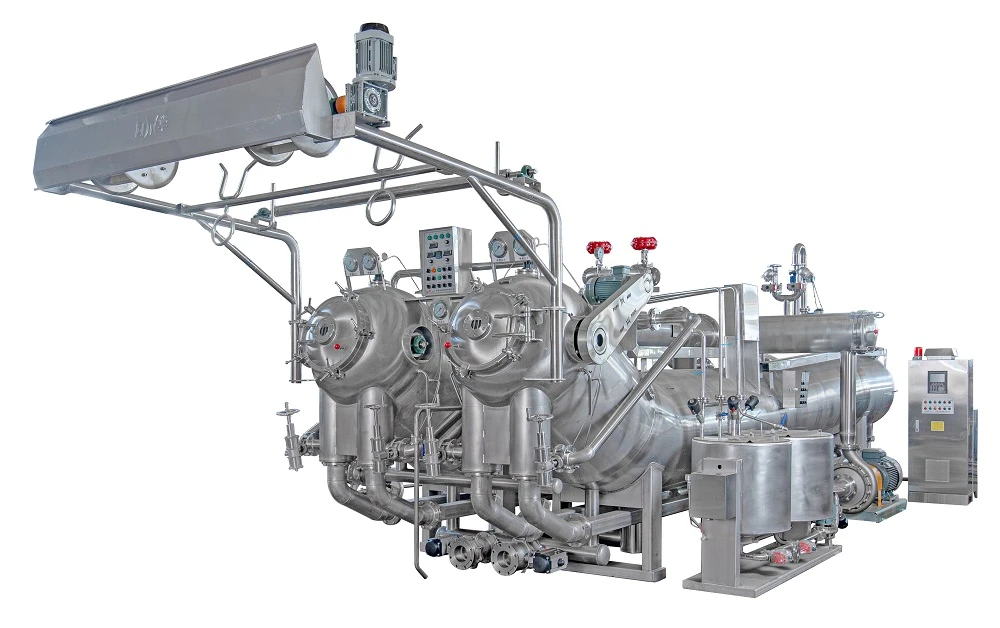
Garment & Piece Dyeing Equipment
Intermittent vs. Continuous Dyeing Machines
| Feature | Intermittent (Batch) Dyeing | Continuous Dyeing |
| Production Style | Small to medium batches, multi-variety | High-volume, long runs of single colors |
| Flexibility | Extremely high; quick changeovers | Low; requires lengthy setup and cleaning |
| Typical Equipment | Jet dyeing machines, Jiggers, Yarn dyers | Pad-Roll (CPB), Thermosol, Range dyeing |
| Cost Efficiency | Higher cost per kg for large volumes | Highly economical at massive scale |
| Best Application | Fast fashion, seasonal trends, sampling | Basic solid-color shirting, mass-market textiles |
Emerging Technologies in Dyeing Machinery
* Airflow & Air-Liquid Dyeing Machines: Instead of relying solely on liquid pumps, these machines use high-velocity air nozzles to transport the fabric. This revolutionary design drastically reduces the liquor ratio to as low as 1:3 or 1:4, cutting water, steam, and chemical usage by up to 50% compared to traditional overflow machines.
* Cold Pad Batch (CPB) Dyeing: A highly sustainable continuous process for cellulosic fibers (like cotton) that operates at room temperature. It eliminates the need for steam during the fixation phase and uses little to no salt, significantly lowering the carbon footprint and effluent treatment costs.
* Smart & Automated Control Systems: Modern dyeing machines are integrated with IoT sensors and AI-driven central monitoring systems. These platforms automatically optimize dosing, predict maintenance needs, and ensure batch-to-batch reproducibility, reducing human error and reliance on experienced technicians.
Real-World Application Cases: Matching Machines to Market Demands
Below are practical application cases demonstrating how specific dyeing equipment solves industry pain points and meets diverse market demands.
Case 1: High-Speed Jet Dyeing for Activewear & Stretch Fabrics
* The Challenge: Modern activewear relies heavily on elastane (spandex) blends. Traditional high-tension machinery often causes fabric curling, crease marks, or even fiber breakage during the dyeing cycle.
* The Solution: Advanced Jet / Overflow Dyeing Machines with ultra-low tension nozzle systems.
* Application Outcome: By utilizing a smooth, rope-form transport mechanism combined with precise temperature control, these machines prevent mechanical damage. The result is vibrant, color-consistent sportswear fabrics with excellent elasticity retention and zero crease marks, perfectly meeting the stringent quality standards of global athletic brands.

Case 2: Cold Pad Batch (CPB) for Sustainable Cotton Fashion
* The Challenge: Conventional cotton dyeing requires massive amounts of steam for fixation and high salt concentrations for exhaustion, leading to exorbitant energy costs and heavy effluent treatment burdens.
* The Solution: Cold Pad Batch (CPB) Continuous Dyeing Systems.
* Application Outcome: Operating entirely at room temperature without steam, CPB technology reduces energy consumption by up to 60% compared to traditional hot dyeing. This makes it an ideal choice for mid-to-large-scale manufacturers producing solid-color cotton shirting, denim, and bed linens who want to achieve green certifications while significantly cutting operational expenses.
How to Choose the Right Dyeing Machine?
When sourcing textile dyeing equipment, consider these four critical factors:
* Target Market & Product Positioning: Are you producing fast-fashion knits requiring rapid changeovers, or basic wovens demanding massive volume? Match the machine type to your product mix.
* Energy & Water Consumption Standards: Calculate the Total Cost of Ownership (TCO). A cheaper machine with a high liquor ratio will cost significantly more in utilities and wastewater treatment over its lifespan.
* Automation & Smart Control Systems: Evaluate the software ecosystem. Does the machine offer automated recipe management, real-time monitoring, and remote diagnostics?
* Supplier Reliability & After-Sales Support: Ensure the manufacturer provides robust installation, commissioning, and accessible spare parts networks in your region.
Need Expert Advice On Upgrading Your Dyeing Line?
Contact WUXI TONGHUA DYEING & FINISHING MACHINERY CO.,LTD. today for a free consultation. As a leading manufacturer of advanced textile dyeing equipment, we provide customized turnkey solutions tailored to your unique production needs.
WhatsApp: 8618168838720
E-mail: Yuhua128@263.net
FAQs About Textile Dyeing Machines
Q1. What is the most energy-efficient dyeing machine for synthetic fabrics?
A: Currently, Airflow and Air-Liquid Dyeing Machines are considered the most energy-efficient options for polyester and nylon fabrics. By utilizing high-velocity air nozzles to transport the fabric instead of relying solely on liquid pumps, these machines drastically reduce the liquor ratio to as low as 1:3 or 1:4. This can cut water consumption by up to 50% and significantly lower steam and electricity usage compared to traditional jet dyeing machines.
Q2. How do I choose between a Jet Dyeing Machine and a Jigger?
A: The choice depends entirely on your fabric structure. Jet Dyeing Machines operate in rope form and are ideal for knitted fabrics, stretch materials, and lightweight synthetics because they apply minimal tension and prevent crease marks. Conversely, Jigger Machines process fabric in an open-width format, making them the best choice for heavy woven fabrics like canvas, denim, and bed linens where maintaining strict width control and avoiding tubular folds is critical.
Q3. What is the typical ROI (Return on Investment) for upgrading to eco-friendly dyeing equipment?
A: While initial capital expenditure for advanced machinery (like Airflow or Smart Control systems) may be higher, the operational savings are substantial. Most textile mills achieve a complete ROI within 18 to 24 months. These savings come from drastically reduced water bills, lower chemical and steam consumption, decreased effluent treatment costs, and fewer fabric defects due to precise automated controls.
Q4. Do you provide installation and commissioning services for overseas projects?
A: Yes, we offer comprehensive Turnkey Solutions for international clients. Our professional engineering teams handle everything from factory layout design and equipment manufacturing to on-site installation, pipeline connection, and electrical commissioning. We also provide extensive training for your local operators to ensure seamless production startup, as successfully demonstrated in our recent large-scale projects in Egypt and Southeast Asia.
Q5. Can modern dyeing machines handle small-batch, multi-color orders efficiently?
A: Absolutely. Modern intermittent (batch) dyeing machines are equipped with intelligent, automated dosing and control systems. They allow for rapid color changeovers, precise recipe management, and real-time monitoring. This flexibility makes them highly efficient for fast-fashion brands that require small-to-medium batch sizes with frequent color variations, minimizing downtime and reducing human error.