Hey there! As a supplier of sample dyeing machines, I often get asked a pretty interesting question: Can a sample dyeing machine be used for dyeing leather? Well, let's dig into this topic and find out.
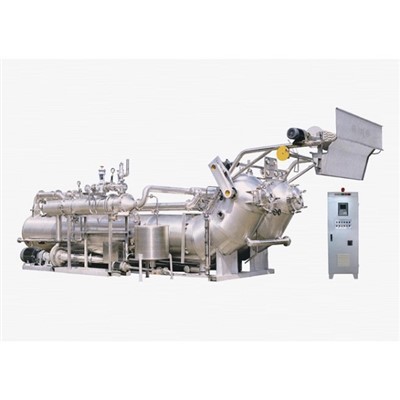
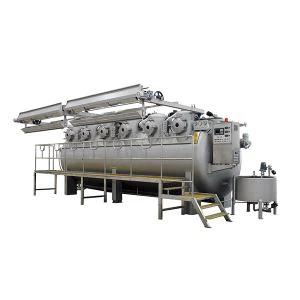
First off, let's talk about what a sample dyeing machine is. We've got different types, like the O Shape Sample Fabric Dyeing Machine, Fabric Dyeing Machine U - type, and U - type Fabric Dyeing Machine. These machines are mainly designed for dyeing fabric samples. They're super useful for textile manufacturers to test out different dyeing recipes, color combinations, and processes before going into large - scale production.
Now, leather is a whole different ballgame compared to fabric. Leather is made from animal hides, and it has a unique structure and properties. It's thicker, more durable, and has a different surface texture than most fabrics. Fabric is usually made of fibers, whether they're natural like cotton or synthetic like polyester, and these fibers absorb dyes in a certain way.
One of the main differences between dyeing fabric and leather is the dye penetration. In fabric, dyes can easily penetrate the fibers because they're more porous. The dye molecules can spread throughout the fiber structure, giving an even color. But leather has a more compact and dense structure. The dye needs to penetrate through the tough outer layer and into the inner layers of the hide. This requires a different approach in terms of the dyeing process and the equipment used.
Most sample dyeing machines for fabric are designed to handle the relatively gentle nature of fabric. They have specific mechanisms for agitating the fabric in the dye bath to ensure even dyeing. For example, they might have rotating drums or paddles that move the fabric around. Leather, on the other hand, can be damaged by the same kind of agitation. The harsh movements could cause scratches, creases, or even tear the leather.
Another aspect is the dye formulation. The dyes used for fabric are formulated to work with the chemical composition of fibers. They have different solubility, affinity, and fastness properties compared to leather dyes. Leather dyes are often more specialized and need to be able to bond well with the proteins in the leather. Using fabric dyes on leather might not give the desired color results, and the color might not be as fast - lasting.
However, that doesn't mean it's completely impossible to use a sample dyeing machine for leather. In some cases, if the leather is very thin and has a similar texture to fabric, and if you make some adjustments to the machine and the dyeing process, it might work. For example, you could reduce the agitation speed to prevent damage to the leather. You'd also need to use leather - specific dyes and adjust the temperature and time of the dyeing process.
Let's say you want to experiment with dyeing a small sample of leather using a sample dyeing machine. Here are the steps you could take. First, prepare the leather sample. Clean it thoroughly to remove any dirt, grease, or other contaminants. This will help the dye to adhere better. Then, choose the right leather dye. You can find a wide range of leather dyes in the market, each with different colors and properties.
Next, adjust the sample dyeing machine. As I mentioned earlier, reduce the agitation speed. You might also need to adjust the temperature. Leather dyeing usually requires a different temperature range compared to fabric dyeing. Start with a lower temperature and gradually increase it if needed. Make sure to monitor the process closely to avoid over - dyeing or damaging the leather.
Once you've set up the machine and the dye bath, place the leather sample in the machine. Keep an eye on how the leather is reacting to the dye. If you notice any signs of damage or uneven dyeing, stop the process immediately and make the necessary adjustments.


After the dyeing process is complete, take the leather sample out of the machine. Rinse it carefully to remove any excess dye. Then, let it dry naturally. You might also want to apply a leather conditioner to keep the leather soft and supple.
But remember, these are just some basic guidelines, and the results might vary depending on the type of leather and the sample dyeing machine you're using. If you're really serious about dyeing leather, it's always a good idea to consult with a leather expert or a professional in the leather industry.
So, to sum it up, while it's possible to attempt dyeing leather using a sample dyeing machine with some adjustments, it's not the ideal solution. Sample dyeing machines are primarily designed for fabric, and leather has its own unique requirements. If you're in the leather business and need to do sample dyeing, it might be worth investing in a dedicated leather sample dyeing machine. These machines are specifically designed to handle the challenges of dyeing leather, and they'll give you more consistent and reliable results.
If you're interested in our sample dyeing machines, whether you want to use them for fabric or experiment with leather dyeing, we'd love to hear from you. We can provide you with more information about our products, and we're always happy to help you with any questions or concerns you might have. Just reach out to us, and we can start a discussion about your dyeing needs.
References
- Textile Dyeing and Finishing Handbook
- Leather Technology and Processing Manual
So, if you're thinking about getting into the world of dyeing, whether it's fabric or leather, don't hesitate to contact us. We're here to support you in your dyeing journey!