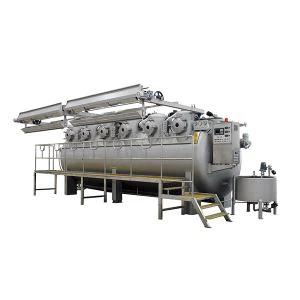
Silk is a luxurious and highly sought-after natural fiber known for its softness, luster, and elegance. The dyeing process of silk is crucial to achieve the desired color and quality for various applications, from high - end fashion to home decor. As a supplier of sample dyeing machines, I often get asked the question: Can a sample dyeing machine be used for dyeing silk? In this blog, I will delve into this topic, exploring the feasibility, considerations, and benefits of using a sample dyeing machine for silk dyeing.
Understanding Silk and Its Dyeing Requirements
Silk is a protein - based fiber, mainly composed of fibroin. Its unique chemical structure makes it different from other fibers such as cotton or polyester. Silk has a natural affinity for certain types of dyes, especially acid dyes, which can form strong ionic bonds with the amino groups in the silk protein.
When dyeing silk, several factors need to be carefully controlled. First, the temperature is critical. Silk is sensitive to high temperatures, and excessive heat can damage the fiber, causing it to lose its luster and strength. Generally, the dyeing temperature for silk is relatively low compared to some synthetic fibers, usually ranging from 60 - 90 degrees Celsius. Second, the pH value of the dye bath also plays a significant role. Acid dyes work best in an acidic environment, typically with a pH of around 4 - 6. Third, the dyeing time should be precisely controlled to ensure uniform color penetration without over - dyeing or damaging the silk.
Feasibility of Using a Sample Dyeing Machine for Silk Dyeing
The answer is yes, a sample dyeing machine can be used for dyeing silk, and it offers several advantages. Sample dyeing machines are designed to simulate the large - scale production dyeing process on a smaller scale. They allow textile manufacturers, designers, and researchers to test different dyeing recipes, colors, and processes before moving on to full - scale production.
One of the key features of a sample dyeing machine is its ability to precisely control the dyeing parameters. For silk dyeing, this is extremely important. Most modern sample dyeing machines are equipped with advanced temperature control systems that can maintain a stable temperature within a narrow range. This ensures that the silk is dyed at an appropriate temperature, preventing damage to the fiber.
In addition, sample dyeing machines can accurately control the flow rate of the dye liquor. Proper circulation of the dye liquor is essential for uniform dyeing of silk. The machine can ensure that the dye is evenly distributed around the silk fabric, resulting in consistent color across the entire sample.


Types of Sample Dyeing Machines Suitable for Silk Dyeing
Low Tension Fabric Sample Dyeing Machine
A Low Tension Fabric Sample Dyeing Machine is particularly suitable for silk dyeing. Silk is a delicate fiber, and high tension during the dyeing process can cause stretching, wrinkling, or even breakage of the fabric. This type of machine applies minimal tension to the silk fabric, allowing it to be dyed in a relaxed state. This helps to preserve the natural texture and appearance of the silk.
The low - tension design also ensures that the silk fabric can move freely in the dye bath, promoting better circulation of the dye liquor and more uniform dyeing. It is an ideal choice for dyeing silk scarves, lightweight silk fabrics, and other delicate silk products.
Textile Sample Dyeing Machine
A Textile Sample Dyeing Machine is a versatile option that can be used for dyeing various types of textiles, including silk. These machines usually come with adjustable parameters such as temperature, time, and liquor ratio. For silk dyeing, users can set the appropriate temperature and liquor ratio according to the specific requirements of the silk fabric and the dye used.
Textile sample dyeing machines often have multiple dyeing compartments, allowing users to test different dyeing recipes simultaneously. This is very useful for silk dyeing experiments, as it enables quick comparison of different colors and dyeing processes.
High Temperature Sample Dyeing Machine
Although silk is generally dyed at relatively low temperatures, there are some special cases where a High Temperature Sample Dyeing Machine can be used. For example, when using certain reactive dyes or for special finishing processes, a slightly higher temperature may be required.
High - temperature sample dyeing machines are designed to handle high - temperature dyeing processes safely and accurately. They are equipped with high - quality heating elements and insulation materials to ensure stable temperature control even at elevated temperatures. However, when using a high - temperature sample dyeing machine for silk, it is crucial to carefully monitor the temperature and time to avoid damaging the silk.
Considerations When Using a Sample Dyeing Machine for Silk Dyeing
Pre - treatment of Silk
Before dyeing, the silk fabric should be properly pre - treated. This may include scouring to remove any impurities, such as natural waxes, oils, and dirt on the surface of the silk. A well - pre - treated silk fabric will have better dye absorption and more uniform color results.
Dye Selection
As mentioned earlier, acid dyes are the most commonly used dyes for silk. However, there are also other types of dyes, such as reactive dyes and direct dyes, that can be used for silk under certain conditions. When choosing a dye, it is important to consider the color fastness, compatibility with the silk fiber, and the desired dyeing effect.
Machine Maintenance
Regular maintenance of the sample dyeing machine is essential for consistent and high - quality silk dyeing. The machine should be cleaned regularly to prevent the accumulation of dye residues and other contaminants. The heating elements, pumps, and other components should be inspected and maintained to ensure proper functioning.
Benefits of Using a Sample Dyeing Machine for Silk Dyeing
Cost - effective
Using a sample dyeing machine for silk dyeing is cost - effective. It allows manufacturers to test different dyeing recipes and colors without using large amounts of silk fabric and dye. This helps to reduce waste and save costs, especially in the product development stage.
Time - saving
Sample dyeing machines can complete the dyeing process in a relatively short time compared to large - scale production dyeing. This enables manufacturers to quickly test new colors and designs, shorten the product development cycle, and respond more quickly to market demands.
Quality Control
By using a sample dyeing machine, manufacturers can have better control over the silk dyeing process. They can accurately reproduce the dyeing results in large - scale production, ensuring consistent color quality and product performance.
Conclusion
In conclusion, a sample dyeing machine can definitely be used for dyeing silk. With the right type of machine and proper control of the dyeing parameters, it can achieve excellent dyeing results while preserving the natural beauty and quality of the silk. Whether you are a textile manufacturer looking to develop new silk products, a designer exploring different color options, or a researcher studying silk dyeing processes, a sample dyeing machine is a valuable tool.
If you are interested in our sample dyeing machines for silk dyeing or have any questions about the dyeing process, please feel free to contact us for more information and to discuss your specific needs. We are committed to providing high - quality sample dyeing machines and professional technical support to help you achieve the best silk dyeing results.
References
- Lewis, D. M. (2007). The Theory of Colouration of Textiles. SDC Publications.
- Trotman, E. R. (1993). Dyeing and Chemical Technology of Textile Fibres. Blackie Academic & Professional.
- Shore, J. (1995). Chemical Technology of Synthetic Fibres. SDC Publications.