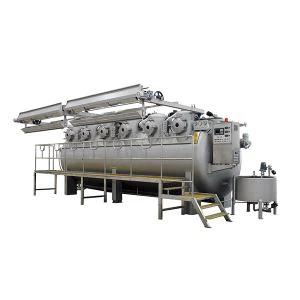
The control system of a HTHP Soft Flow Dyeing Machine is the nerve center that orchestrates the entire dyeing process, ensuring precision, efficiency, and quality. As a leading supplier of HTHP Soft Flow Dyeing Machine, I have witnessed firsthand the critical role that the control system plays in the performance of these machines. In this blog post, I will delve into the reliability of the HTHP Soft Flow Dyeing Machine's control system, exploring its components, functions, and the factors that contribute to its dependability.
Components of the Control System
The control system of a HTHP Soft Flow Dyeing Machine is a complex network of hardware and software components that work together to regulate various parameters such as temperature, pressure, flow rate, and dyeing time. These components include:
- PLC (Programmable Logic Controller): The PLC is the brain of the control system, responsible for executing pre-programmed instructions and coordinating the operation of other components. It monitors input signals from sensors and switches, and outputs control signals to actuators such as valves, pumps, and heaters.
- HMI (Human-Machine Interface): The HMI provides a user-friendly interface for operators to interact with the control system. It allows them to set process parameters, monitor machine status, and troubleshoot problems. The HMI can be a touchscreen panel or a computer terminal.
- Sensors: Sensors are used to measure various physical parameters such as temperature, pressure, flow rate, and level. They provide real-time feedback to the PLC, allowing it to adjust the process parameters accordingly.
- Actuators: Actuators are devices that convert electrical signals from the PLC into mechanical motion. They include valves, pumps, heaters, and motors, which are used to control the flow of water, dye, and chemicals, as well as the temperature and pressure inside the dyeing machine.
- Communication Modules: Communication modules are used to establish communication between the control system and other devices such as printers, barcode scanners, and remote monitoring systems. They allow for data transfer, remote control, and diagnostic capabilities.
Functions of the Control System
The control system of a HTHP Soft Flow Dyeing Machine performs several important functions to ensure the reliability and efficiency of the dyeing process. These functions include:
- Process Control: The control system regulates the temperature, pressure, flow rate, and dyeing time to ensure that the dyeing process is carried out according to the specified parameters. It uses feedback control algorithms to adjust the process variables in real-time, compensating for any disturbances or variations.
- Recipe Management: The control system allows operators to store and retrieve dyeing recipes, which contain the specific process parameters for different types of fabrics and dyes. This ensures consistency and repeatability in the dyeing process, reducing the risk of color variation and quality issues.
- Alarm Management: The control system monitors the machine status and alerts operators in case of any abnormal conditions or malfunctions. It provides visual and audible alarms, as well as detailed diagnostic information, to help operators quickly identify and resolve problems.
- Data Logging and Reporting: The control system records and stores process data such as temperature, pressure, flow rate, and dyeing time. This data can be used for quality control, process optimization, and compliance purposes. The control system also generates reports and statistics, providing valuable insights into the performance of the dyeing machine.
- Remote Monitoring and Control: The control system can be connected to a remote monitoring system, allowing operators to monitor the machine status and control the dyeing process from anywhere in the world. This feature is particularly useful for large-scale dyeing operations or for companies with multiple production sites.
Factors Affecting the Reliability of the Control System
The reliability of the HTHP Soft Flow Dyeing Machine's control system depends on several factors, including:


- Quality of Components: The quality of the components used in the control system is crucial for its reliability. High-quality components are more durable, resistant to wear and tear, and less likely to fail. It is important to choose components from reputable manufacturers and to ensure that they are properly installed and maintained.
- Environmental Conditions: The control system is exposed to various environmental conditions such as temperature, humidity, dust, and vibration. These conditions can affect the performance and reliability of the components. It is important to protect the control system from harsh environmental conditions by using appropriate enclosures, filters, and cooling systems.
- Maintenance and Service: Regular maintenance and service are essential for the reliability of the control system. This includes cleaning, lubricating, and inspecting the components, as well as replacing any worn or damaged parts. It is also important to perform software updates and calibration to ensure that the control system is operating at its optimal performance.
- Operator Training: The reliability of the control system also depends on the skills and knowledge of the operators. Proper training is essential to ensure that operators are familiar with the operation and maintenance of the control system, as well as the safety procedures. Operators should be trained to recognize and respond to abnormal conditions and malfunctions, and to perform basic troubleshooting tasks.
Benefits of a Reliable Control System
A reliable control system offers several benefits for HTHP Soft Flow Dyeing Machine users, including:
- Improved Quality: A reliable control system ensures that the dyeing process is carried out according to the specified parameters, resulting in consistent and high-quality dyeing results. This reduces the risk of color variation, uneven dyeing, and other quality issues, improving customer satisfaction and reducing the cost of rework.
- Increased Efficiency: A reliable control system allows for precise control of the process parameters, reducing the cycle time and increasing the productivity of the dyeing machine. It also minimizes the use of energy, water, and chemicals, reducing the operating costs and environmental impact.
- Enhanced Safety: A reliable control system includes safety features such as alarms, interlocks, and emergency stop buttons, which help to prevent accidents and injuries. It also provides operators with real-time information about the machine status, allowing them to take appropriate actions in case of any abnormal conditions.
- Reduced Downtime: A reliable control system is less likely to fail, reducing the downtime and maintenance costs of the dyeing machine. This ensures that the production process can continue uninterrupted, minimizing the impact on the business.
Conclusion
The reliability of the HTHP Soft Flow Dyeing Machine's control system is crucial for the performance and efficiency of the dyeing process. A reliable control system ensures precise control of the process parameters, consistent and high-quality dyeing results, increased productivity, and enhanced safety. As a supplier of HTHP Soft Flow Dyeing Machine, we are committed to providing our customers with high-quality control systems that are reliable, efficient, and easy to use. If you are interested in learning more about our products or would like to discuss your specific requirements, please do not hesitate to contact us. We look forward to the opportunity to work with you and help you achieve your dyeing goals.
References
- Smith, J. (2020). Industrial Automation: A Comprehensive Guide. New York: Wiley.
- Brown, A. (2019). Programmable Logic Controllers: Principles and Applications. London: Elsevier.
- Green, B. (2018). Human-Machine Interface Design: Principles and Best Practices. San Francisco: Morgan Kaufmann.