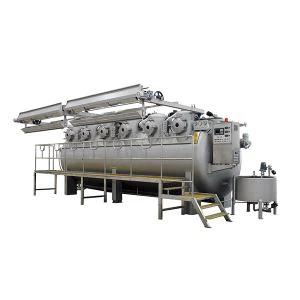
Hey there! As a supplier of High Temperature Overflow Dyeing Machines, I've seen firsthand how the costs associated with dyeing can really add up for businesses. But don't worry, I'm here to share some tips on how you can use our machines to reduce those dyeing costs.
Understanding the Basics of High Temperature Overflow Dyeing Machines
Before we dive into the cost - saving strategies, let's quickly go over what a High Temperature Overflow Dyeing Machine is. These machines are designed to dye fabrics at high temperatures, which allows for better color penetration and more uniform dyeing results. The overflow system ensures that the fabric is constantly in contact with the dye liquor, which helps to achieve even color distribution.
One of the key advantages of our High Temperature Overflow Dyeing Machines is their energy - efficient design. They use advanced heating and circulation systems that minimize energy consumption while still delivering top - notch dyeing performance.
Strategies to Reduce Dyeing Costs
1. Optimize the Bath Ratio
The bath ratio, which is the ratio of the weight of the fabric to the volume of the dye liquor, plays a crucial role in dyeing costs. A lower bath ratio means less water, less dye, and less energy is required. Our Ultra Low Bath Ratio Energy Saving Dyeing Machine is specifically designed to operate at extremely low bath ratios. By using this machine, you can significantly reduce the amount of water and dye needed for each dyeing cycle.
For example, if you were using a traditional dyeing machine with a high bath ratio, you might need 10 liters of dye liquor for every 1 kilogram of fabric. But with our ultra - low bath ratio machine, you could potentially reduce that to just 3 liters per kilogram of fabric. This not only saves on the cost of water and dye but also reduces the energy needed to heat the smaller volume of water.


2. Choose the Right Dye
Selecting the appropriate dye is essential for cost - effective dyeing. Different dyes have different prices, dyeing properties, and fixation rates. Some dyes are more expensive but offer better color fastness and require less energy for fixation. Others are cheaper but may need more elaborate after - treatment processes.
We recommend working closely with your dye suppliers to understand the different types of dyes available and their suitability for your specific fabrics. For instance, if you're dyeing synthetic fabrics like polyester, disperse dyes are often a good choice as they have high fixation rates at high temperatures, which our High Temperature Overflow Dyeing Machines can easily achieve.
3. Improve Dye Fixation
Proper dye fixation is crucial to prevent dye loss and ensure good color fastness. Our machines are equipped with precise temperature and pressure control systems that allow for optimal dye fixation. By ensuring that the dye is properly fixed to the fabric during the dyeing process, you can reduce the need for repeated dyeing or after - treatment processes, which can be costly in terms of time, energy, and chemicals.
For example, if the dye fixation is not done correctly, you may end up with a lot of loose dye in the dye liquor, which not only wastes dye but also requires additional water and chemicals for cleaning. With our machines, you can set the right temperature and pressure parameters to achieve high - quality dye fixation in a single cycle.
4. Recycle and Reuse Dye Liquor
Recycling and reusing dye liquor is an effective way to reduce dyeing costs. Our High Temperature Overflow Dyeing Machines are designed with built - in filtration and recycling systems that allow you to recover and reuse a significant portion of the dye liquor.
After each dyeing cycle, the used dye liquor is filtered to remove any impurities and then recycled back into the system for the next cycle. This not only reduces the amount of fresh dye liquor needed but also minimizes the environmental impact of dyeing operations.
5. Minimize Machine Downtime
Machine downtime can be a major cost factor in dyeing operations. Regular maintenance and proper operation of our High Temperature Overflow Dyeing Machines are essential to minimize downtime. We provide comprehensive training and support to our customers to ensure that their machines are operated correctly and maintained properly.
By following the recommended maintenance schedules, you can prevent breakdowns and ensure that your machines are always running at peak efficiency. For example, regularly cleaning the filters, checking the heating elements, and lubricating the moving parts can go a long way in extending the lifespan of the machine and reducing maintenance costs.
Case Studies
Let's take a look at some real - world examples of how our customers have reduced their dyeing costs using our High Temperature Overflow Dyeing Machines.
One of our customers, a medium - sized textile dyeing company, was struggling with high dyeing costs due to inefficient dyeing processes. They switched to our Jet Dyeing Machine For Satin Fabric and were able to reduce their water consumption by 30%, dye consumption by 25%, and energy consumption by 20%. This resulted in significant cost savings for the company, which they were able to reinvest in other areas of their business.
Another customer, who specialized in dyeing taffeta fabrics, started using our Taffeta Fabric Dyeing Machine High - Pressure Rapid Dyeing Machine. By optimizing the bath ratio and improving dye fixation, they were able to reduce their overall dyeing costs by 15% while also improving the quality of their dyed fabrics.
Conclusion
Reducing dyeing costs is achievable with the right strategies and the use of high - quality equipment like our High Temperature Overflow Dyeing Machines. By optimizing the bath ratio, choosing the right dye, improving dye fixation, recycling dye liquor, and minimizing machine downtime, you can significantly cut down on your dyeing expenses.
If you're interested in learning more about how our machines can help you reduce your dyeing costs, or if you have any questions about our products, we'd love to hear from you. Contact us today to start a discussion about your specific needs and how we can help you achieve your cost - saving goals.
References
- Textile Dyeing Technology Handbook
- Journal of Textile Science and Engineering: Cost - Effective Dyeing Strategies