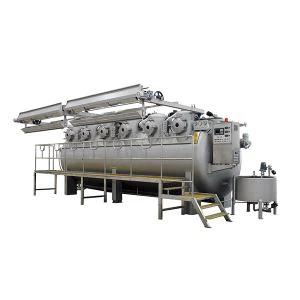
Hey there! As a supplier of HTHP Fabric Dyeing Machines, I've seen my fair share of fabric entanglement issues in these machines. It's a real pain in the neck, not just for the operators but also for the quality of the dyed fabric. So, I thought I'd share some tips on how to prevent fabric entanglement in HTHP Fabric Dyeing Machines.
First off, let's understand why fabric entanglement happens in the first place. There are a few key factors. One is the improper loading of the fabric. If you stuff too much fabric into the machine at once, it's bound to get tangled up. Another factor is the flow of the dye liquor. If the flow is uneven or too slow, the fabric can bunch up and entangle. Also, the type and texture of the fabric play a role. Some fabrics are more prone to entanglement than others.
Proper Fabric Loading
The way you load the fabric into the HTHP Fabric Dyeing Machine is crucial. Don't overcrowd the machine. Each machine has a recommended loading capacity, and you should stick to it. Overloading not only causes entanglement but can also affect the dyeing quality. For example, if you're using a High Temperature Dyeing Machine, check the user manual for the specific loading guidelines.
Before loading the fabric, make sure it's properly prepared. Remove any knots or tangles from the fabric. You can also pre - wet the fabric to make it more flexible and reduce the chances of entanglement. When loading, try to spread the fabric evenly around the machine. This ensures that the fabric moves smoothly through the dyeing process.
Optimize Dye Liquor Flow
The flow of the dye liquor is like the life - blood of the dyeing process. An uneven or slow flow can lead to fabric entanglement. Most modern HTHP Fabric Dyeing Machines, like the High Temperature Rapid Dyeing Machine, are equipped with advanced flow control systems. But you still need to set them up correctly.
Regularly check the nozzles and pipes in the machine. Clogged nozzles can disrupt the flow of the dye liquor. Clean them periodically to ensure a smooth and even flow. You can also adjust the flow rate according to the type of fabric you're dyeing. For lightweight fabrics, a slower flow rate might be sufficient, while heavier fabrics may require a faster flow to keep them moving freely.
Choose the Right Machine Settings
The settings on your HTHP Fabric Dyeing Machine can have a big impact on fabric entanglement. For example, the rotation speed of the machine's drum or the agitation level. If the rotation speed is too high, the fabric can get thrown around and entangled. On the other hand, if it's too low, the fabric may not move enough and bunch up.
Different fabrics need different settings. For delicate fabrics, you'll want to use lower speeds and gentler agitation. The TH - VT High Temperature Dyeing Machine allows you to customize these settings easily. Spend some time experimenting with different settings for each type of fabric you work with to find the optimal ones.


Use Anti - Entanglement Agents
There are anti - entanglement agents available in the market. These agents can be added to the dye liquor. They work by reducing the friction between the fabric fibers, making it easier for the fabric to move through the machine without getting entangled.
When using anti - entanglement agents, follow the manufacturer's instructions carefully. The dosage is important. Too little of the agent may not be effective, while too much can affect the dyeing process and the quality of the fabric.
Regular Machine Maintenance
A well - maintained HTHP Fabric Dyeing Machine is less likely to cause fabric entanglement. Regularly inspect the machine for any signs of wear and tear. Check the belts, pulleys, and other moving parts. Loose or damaged parts can cause the fabric to catch and entangle.
Lubricate the moving parts as recommended in the machine's maintenance schedule. This ensures smooth operation and reduces the risk of entanglement. Also, keep the machine clean. Remove any fabric residues or dye deposits from the machine after each use.
Training for Operators
Your machine operators play a vital role in preventing fabric entanglement. Provide them with proper training on how to operate the HTHP Fabric Dyeing Machine correctly. They should know the correct loading procedures, how to adjust the machine settings, and how to identify and troubleshoot entanglement issues.
Regularly update their training as new technologies and best practices emerge. Encourage them to share their experiences and suggestions for improving the dyeing process.
Monitor the Dyeing Process
Keep a close eye on the dyeing process. Check the fabric periodically during the dyeing cycle. If you notice any signs of entanglement, stop the machine immediately and try to untangle the fabric. It's better to address the issue early than to let it get worse.
You can also use cameras or sensors in the machine to monitor the fabric movement. Some advanced HTHP Fabric Dyeing Machines come with built - in monitoring systems that can detect abnormal fabric movement and alert the operator.
Conclusion
Preventing fabric entanglement in HTHP Fabric Dyeing Machines requires a combination of proper loading, optimized dye liquor flow, correct machine settings, the use of anti - entanglement agents, regular maintenance, operator training, and process monitoring. By following these tips, you can significantly reduce the occurrence of fabric entanglement, improve the quality of your dyed fabric, and increase the efficiency of your dyeing operations.
If you're in the market for a high - quality HTHP Fabric Dyeing Machine or need more advice on preventing fabric entanglement, don't hesitate to get in touch. We're here to help you find the best solutions for your fabric dyeing needs.
References
- "Textile Dyeing Technology" - A comprehensive guide on textile dyeing processes and machine operation.
- Manufacturer's manuals of HTHP Fabric Dyeing Machines.
- Industry research papers on fabric entanglement prevention in dyeing machines.