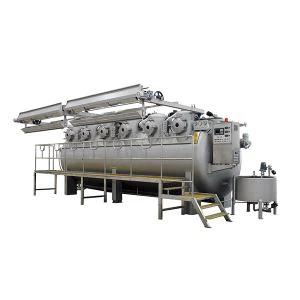
As a supplier of HTHP (High Temperature High Pressure) dyeing machines, I often encounter inquiries from customers about the compatibility of our machines with different types of fabrics. One common question is whether an HTHP dyeing machine can be used for dyeing viscose fabrics. In this blog post, I will explore this topic in detail, discussing the characteristics of viscose fabrics, the working principles of HTHP dyeing machines, and the feasibility of using these machines for viscose fabric dyeing.
Characteristics of Viscose Fabrics
Viscose is a semi-synthetic fiber made from cellulose, typically derived from wood pulp or cotton linters. It is known for its softness, breathability, and excellent drape, making it a popular choice for a wide range of applications, including clothing, home textiles, and industrial fabrics. However, viscose also has some unique properties that need to be considered when dyeing:
Sensitivity to Temperature and pH
Viscose fibers are relatively sensitive to high temperatures and extreme pH levels. Prolonged exposure to high temperatures can cause the fibers to shrink, lose their strength, or even decompose. Similarly, highly acidic or alkaline dyeing solutions can damage the fibers, leading to color unevenness, loss of luster, or reduced fabric durability.
Absorbency
Viscose has a high absorbency rate, which means it can quickly soak up dye molecules. This property can be advantageous for achieving deep and uniform coloration, but it also requires careful control of the dyeing process to prevent over-dyeing or color bleeding.
Swelling
When wet, viscose fibers tend to swell, which can affect the fabric's dimensions and shape. This swelling can cause the fabric to become distorted or wrinkled during the dyeing process, especially if the tension is not properly controlled.
Working Principles of HTHP Dyeing Machines
HTHP dyeing machines are designed to operate at high temperatures (typically between 120°C and 140°C) and pressures (usually around 2 to 3 bar). These machines use a closed-loop system to circulate the dye liquor through the fabric, ensuring even distribution of the dye molecules. The high temperature and pressure conditions help to accelerate the dyeing process, improve color fastness, and achieve deeper and more vibrant colors.
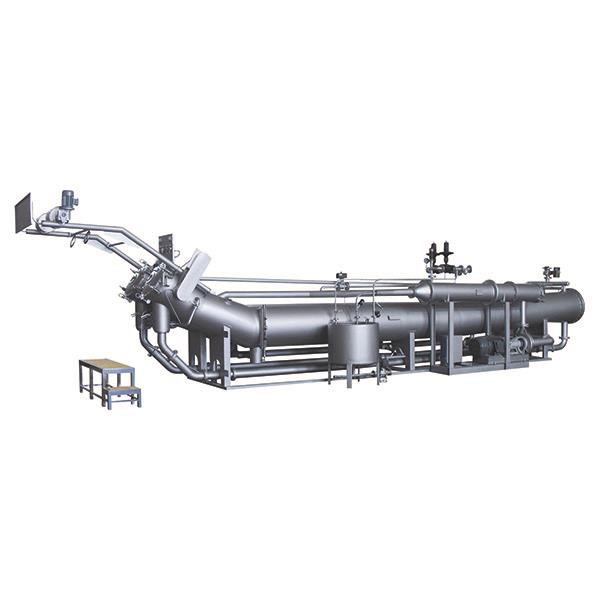
The main components of an HTHP dyeing machine include a dyeing vessel, a heating system, a circulation pump, a control panel, and various sensors. The dyeing vessel is typically made of stainless steel and is designed to withstand the high temperatures and pressures. The heating system uses steam or electricity to heat the dye liquor, while the circulation pump ensures that the dye liquor is evenly distributed throughout the fabric. The control panel allows the operator to set and monitor the dyeing parameters, such as temperature, pressure, time, and liquor ratio.
Feasibility of Using HTHP Dyeing Machines for Viscose Fabric Dyeing
Based on the characteristics of viscose fabrics and the working principles of HTHP dyeing machines, it is possible to use an HTHP dyeing machine for dyeing viscose fabrics. However, several factors need to be considered to ensure successful dyeing:
Temperature Control
As mentioned earlier, viscose fibers are sensitive to high temperatures. Therefore, it is crucial to carefully control the dyeing temperature to prevent damage to the fibers. In general, the dyeing temperature for viscose fabrics should be kept below 100°C to avoid shrinkage and loss of strength. Some modern HTHP dyeing machines are equipped with advanced temperature control systems that allow for precise adjustment of the dyeing temperature, ensuring optimal results.

pH Adjustment
The pH level of the dyeing solution also plays a crucial role in the dyeing process. For viscose fabrics, a slightly acidic to neutral pH range (around 5 to 7) is recommended to prevent fiber damage. The pH level can be adjusted using appropriate chemicals, such as acetic acid or sodium carbonate.
Liquor Ratio
The liquor ratio, which refers to the ratio of the volume of the dye liquor to the weight of the fabric, is another important factor to consider. A lower liquor ratio can help to reduce the amount of dye used and improve the color fastness. However, for viscose fabrics, a relatively high liquor ratio (around 1:10 to 1:20) is usually recommended to ensure even dye penetration and prevent over-dyeing.
Tension Control
Due to the swelling property of viscose fibers, it is important to control the tension during the dyeing process to prevent fabric distortion and wrinkling. Some HTHP dyeing machines are equipped with adjustable tension systems that allow for precise control of the fabric tension, ensuring smooth and even dyeing.
Advantages of Using HTHP Dyeing Machines for Viscose Fabric Dyeing
Despite the challenges, there are several advantages to using HTHP dyeing machines for viscose fabric dyeing:
Improved Color Fastness
The high temperature and pressure conditions in an HTHP dyeing machine help to improve the color fastness of the dyed fabric. The dye molecules are more deeply embedded in the fibers, resulting in better resistance to washing, rubbing, and light.
Uniform Coloration
The closed-loop circulation system in an HTHP dyeing machine ensures even distribution of the dye liquor, resulting in uniform coloration across the fabric. This is particularly important for viscose fabrics, which have a high absorbency rate and are prone to color unevenness.
Faster Dyeing Process
The high temperature and pressure conditions in an HTHP dyeing machine accelerate the dyeing process, reducing the dyeing time and increasing productivity. This can be especially beneficial for large-scale dyeing operations.
Our HTHP Dyeing Machines for Viscose Fabric Dyeing
At our company, we offer a range of HTHP dyeing machines that are suitable for dyeing viscose fabrics. Our machines are designed with advanced features and technologies to ensure optimal performance and high-quality results.
HTHP Double Liquid Flow Loose Dyeing Machine
This machine is specifically designed for dyeing loose fibers, yarns, and fabrics. It features a double liquid flow system that ensures even distribution of the dye liquor, resulting in uniform coloration. The machine is also equipped with a precise temperature control system and an adjustable tension system, making it ideal for dyeing viscose fabrics.
HTHP Rapid Dyeing Machine
This machine is designed for high-speed dyeing of fabrics. It uses a unique jet dyeing technology that allows for rapid penetration of the dye liquor into the fabric, resulting in a shorter dyeing time and improved productivity. The machine is also equipped with a temperature control system and a tension control system, ensuring optimal results for viscose fabric dyeing.
High Temperature Fabric Dyeing Machine
This machine is suitable for dyeing a wide range of fabrics, including viscose. It features a high-temperature and high-pressure dyeing system that allows for deep and vibrant coloration. The machine is also equipped with a circulation pump and a control panel, making it easy to operate and maintain.
Conclusion
In conclusion, an HTHP dyeing machine can be used for dyeing viscose fabrics, but it requires careful consideration of the fabric's characteristics and the dyeing process parameters. By controlling the temperature, pH, liquor ratio, and tension, it is possible to achieve high-quality and uniform coloration of viscose fabrics using an HTHP dyeing machine. At our company, we offer a range of HTHP dyeing machines that are specifically designed for dyeing viscose fabrics, ensuring optimal performance and high-quality results.
If you are interested in purchasing an HTHP dyeing machine for your viscose fabric dyeing needs, please feel free to contact us for more information and to discuss your specific requirements. We look forward to working with you to achieve your dyeing goals.
References
- "Textile Dyeing and Finishing" by R. M. Christie
- "Viscose Fibers: Properties and Applications" by M. A. R. Khan
- "High Temperature High Pressure Dyeing Machines: Working Principles and Applications" by S. K. Singh