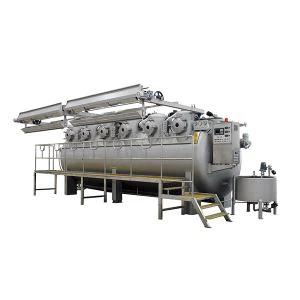
As a supplier of HTHP Rapid Jet Dyeing Machines, one question that frequently comes up from our clients is whether this type of machine requires a special power supply. In this blog post, we'll explore this topic in depth, looking at the technical aspects, industry standards, and practical considerations related to the power supply for HTHP Rapid Jet Dyeing Machines.
Understanding the HTHP Rapid Jet Dyeing Machine
Before delving into the power supply requirements, it's essential to understand what an HTHP Rapid Jet Dyeing Machine is and how it operates. These machines are used in the textile industry for dyeing various types of fabrics, including polyester, nylon, and blends. The "HTHP" stands for High Temperature High Pressure, which means the machine can operate at elevated temperatures and pressures to achieve efficient and uniform dyeing results.
The rapid jet technology allows for a high - speed circulation of the dye liquor, ensuring that the fabric is dyed quickly and evenly. This process involves multiple components such as pumps, heaters, and control systems, all of which require electrical power to function properly.
Technical Requirements for Power Supply
Voltage and Frequency
Most HTHP Rapid Jet Dyeing Machines are designed to operate within a specific voltage and frequency range. In general, these machines can work with standard industrial power supplies. For example, in many countries, the standard industrial voltage is 380V - 480V, three - phase, with a frequency of 50Hz or 60Hz. However, it's crucial to check the machine's technical specifications to ensure compatibility with the local power grid.
Some machines may be more flexible and can be adjusted to work with different voltage and frequency settings. Our company offers customization options to meet the diverse power requirements of our clients around the world. If you are unsure about the voltage and frequency of your local power supply, our technical support team can assist you in making the necessary adjustments.
Power Capacity
The power capacity of an HTHP Rapid Jet Dyeing Machine depends on its size, the number of functions it has, and the production capacity. Larger machines with more advanced features will typically require more power. For instance, a small - scale HTHP Rapid Jet Dyeing Machine may have a power consumption of around 50 - 100 kW, while a large - scale industrial machine can consume up to 500 kW or more.
It's important to ensure that the power supply in your factory can handle the load of the dyeing machine. An inadequate power supply can lead to machine malfunctions, reduced performance, and even safety hazards. Before installing the machine, it's recommended to consult with an electrical engineer to assess the power requirements and make any necessary upgrades to your electrical system.
Industry Standards and Regulations
The textile industry is subject to various standards and regulations regarding electrical safety and power consumption. These standards are in place to ensure the safety of workers, protect the environment, and promote energy efficiency.
Electrical Safety
Electrical safety standards require that all electrical components of the HTHP Rapid Jet Dyeing Machine are properly insulated, grounded, and protected against short - circuits and over - currents. Our machines are designed and manufactured in compliance with international electrical safety standards such as IEC (International Electrotechnical Commission) standards. This ensures that the machines are safe to operate and minimize the risk of electrical accidents.
Energy Efficiency
In recent years, there has been a growing emphasis on energy efficiency in the textile industry. Energy - efficient HTHP Rapid Jet Dyeing Machines not only reduce operating costs but also have a lower environmental impact. Our company is committed to developing and manufacturing machines that meet or exceed energy efficiency standards. For example, our machines are equipped with advanced control systems that optimize power consumption by adjusting the operation of pumps and heaters based on the actual production needs.


Practical Considerations
Installation Location
The installation location of the HTHP Rapid Jet Dyeing Machine can also affect the power supply requirements. The machine should be installed in a well - ventilated area with easy access to the power source. Avoid installing the machine near sources of heat, moisture, or dust, as these factors can affect the performance and lifespan of the electrical components.
Backup Power Supply
In some regions, power outages are a common occurrence. To ensure continuous production, it's advisable to have a backup power supply such as a generator. A backup power supply can provide temporary power to the machine during a power outage, preventing damage to the fabric being dyed and minimizing production downtime.
Other Related Machines
If you are interested in other types of dyeing machines, we also offer a wide range of products. For example, our Dual Flow Dyeing Machine is designed for efficient and uniform dyeing of various fabrics. The TH - VA High - Pressure Rapid Dyeing Machine For Terry Fabric is specifically tailored for terry fabrics, providing excellent dyeing results. And our Jet Dyeing Machine For Polar Fleece is ideal for polar fleece fabrics, ensuring high - quality dyeing with minimal energy consumption.
Contact Us for Purchase and Consultation
In conclusion, while HTHP Rapid Jet Dyeing Machines do not necessarily require a special power supply in most cases, it's important to carefully consider the technical requirements, industry standards, and practical considerations. Our company has extensive experience in providing high - quality dyeing machines and professional technical support.
If you are interested in purchasing an HTHP Rapid Jet Dyeing Machine or have any questions about power supply requirements, please feel free to contact us. Our sales team will be happy to assist you with product selection, technical consultation, and purchase negotiation. We look forward to working with you to meet your dyeing needs.
References
- Textile Machinery Manufacturer's Handbook
- International Electrotechnical Commission (IEC) Standards
- Industry Reports on Textile Dyeing Technology