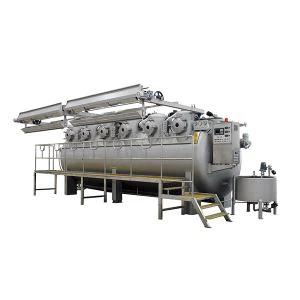
Hey there! As a supplier of Atmospheric Soft Flow Dyeing Machines, I've seen firsthand how the fabric structure can have a huge impact on the dyeing process. In this blog, I'm gonna break down how different fabric structures interact with our dyeing machines and what that means for the final result.
Understanding the Basics of Atmospheric Soft Flow Dyeing Machines
First off, let me give you a quick rundown of these machines. Atmospheric Soft Flow Dyeing Machines are designed to provide a gentle yet efficient way to dye fabrics. They use a unique flow system that allows the dye liquor to circulate through the fabric in a controlled manner, ensuring even color distribution without causing excessive stress on the fabric. This makes them ideal for a wide range of fabrics, from delicate silks to heavyweight wools.
The Role of Fabric Structure in Dyeing
The fabric structure, which includes factors like fiber type, yarn construction, and weave or knit pattern, plays a crucial role in how the fabric absorbs and retains dye. Here's how some of these factors can affect the dyeing process in our Atmospheric Soft Flow Dyeing Machines:
Fiber Type
Different fibers have different chemical and physical properties, which can influence how they interact with dyes. For example, natural fibers like cotton and silk are highly absorbent and tend to take up dye quickly and evenly. On the other hand, synthetic fibers like polyester and nylon are less absorbent and may require special dyes or dyeing techniques to achieve good color results.
In our dyeing machines, the flow of the dye liquor can be adjusted to ensure that the dye reaches all the fibers in the fabric, regardless of their type. This helps to minimize color variations and ensure a consistent dyeing result.
Yarn Construction
The way the fibers are spun into yarn can also affect the dyeing process. Yarns can be made from single fibers or multiple fibers twisted together, and the thickness and twist of the yarn can impact how the dye penetrates the fabric.
For example, a yarn with a high twist will have a smoother surface and may be more difficult for the dye to penetrate compared to a yarn with a lower twist. In our dyeing machines, the flow of the dye liquor can be adjusted to ensure that the dye reaches the inner fibers of the yarn, even in high-twist yarns.
Weave or Knit Pattern
The weave or knit pattern of the fabric can also affect the dyeing process. Fabrics with a tight weave or knit pattern, such as twill or satin, may be more difficult to dye evenly compared to fabrics with a looser weave or knit pattern, such as plain weave or jersey.
In our dyeing machines, the flow of the dye liquor can be adjusted to ensure that the dye reaches all the areas of the fabric, even in tight-weave or knit patterns. This helps to minimize color variations and ensure a consistent dyeing result.
Examples of How Fabric Structure Affects Dyeing
Let's take a look at some specific examples of how fabric structure can affect the dyeing process in our Atmospheric Soft Flow Dyeing Machines:
Taffeta Fabric
Taffeta is a smooth, shiny fabric made from silk, polyester, or a blend of the two. It has a tight weave pattern, which can make it difficult to dye evenly. However, our Taffeta Fabric Dyeing Machine High-Pressure Rapid Dyeing Machine is specifically designed to handle taffeta fabric and can ensure even color distribution.
The high-pressure system in this machine allows the dye liquor to penetrate the tight weave of the taffeta fabric, ensuring that the dye reaches all the fibers. This helps to minimize color variations and ensure a consistent dyeing result.
High-Temperature Low-Tension Evenflow Dyeing Machine
For fabrics that require high-temperature dyeing, our High Temperature Low Tension Evenflow Dyeing Machine is the perfect solution. This machine is designed to provide a gentle yet efficient way to dye fabrics at high temperatures, without causing excessive stress on the fabric.


The low-tension system in this machine ensures that the fabric is held in place during the dyeing process, preventing it from stretching or shrinking. This helps to maintain the shape and integrity of the fabric, while also ensuring even color distribution.
Jet Dyeing Machine For Satin Fabric
Satin is a smooth, shiny fabric with a characteristic sheen. It has a tight weave pattern and is often made from silk, polyester, or a blend of the two. Our Jet Dyeing Machine For Satin Fabric is specifically designed to handle satin fabric and can ensure even color distribution.
The jet system in this machine allows the dye liquor to be sprayed onto the fabric at high pressure, ensuring that the dye reaches all the fibers. This helps to minimize color variations and ensure a consistent dyeing result.
Conclusion
As you can see, the fabric structure plays a crucial role in how the fabric absorbs and retains dye in an Atmospheric Soft Flow Dyeing Machine. By understanding how different fabric structures interact with our dyeing machines, we can ensure that we achieve the best possible dyeing results for our customers.
If you're in the market for an Atmospheric Soft Flow Dyeing Machine or have any questions about how fabric structure affects the dyeing process, don't hesitate to get in touch. We'd be happy to discuss your specific needs and provide you with a customized solution.
References
- Textile Dyeing and Finishing: Principles and Practice. A. K. Mukhopadhyay.
- Handbook of Textile and Industrial Dyeing. Malcolm Eastwood.