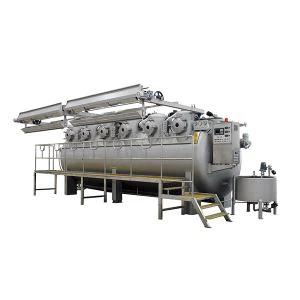
Hey there! As a supplier of HTHP Jet Dyeing Machines, I've got a ton of hands - on experience with these awesome machines. In this blog, I'm gonna share some tips on how to adjust the dyeing parameters of an HTHP Jet Dyeing Machine.
Understanding the Basics
First off, let's talk about what an HTHP Jet Dyeing Machine is. It's a high - tech piece of equipment used in the textile industry for dyeing various fabrics. The "HTHP" stands for High - Temperature and High - Pressure, which allows for better color penetration and fixation on the fabric.
Before we start adjusting the parameters, it's crucial to understand the fabric we're working with. Different fabrics have different properties, such as fiber type, density, and thickness. For example, natural fibers like cotton and silk may require different dyeing conditions compared to synthetic fibers like polyester and nylon.
Key Dyeing Parameters
Temperature
Temperature is one of the most critical parameters in the dyeing process. Higher temperatures generally increase the dye diffusion rate, which means the dye can penetrate the fabric more effectively. However, if the temperature is too high, it can damage the fabric or cause the dye to degrade.
For most synthetic fibers, a temperature range of 120 - 135°C is common. For example, polyester usually dyes well at around 130°C. Natural fibers like cotton can be dyed at lower temperatures, typically between 80 - 100°C.
When adjusting the temperature, it's important to increase it gradually. A rapid increase in temperature can cause uneven dyeing. You can check out our High - Temperature And High - Pressure Dyeing Machine For Microfiber Clean Cloth, which is designed to handle high - temperature dyeing processes with precision.
Pressure
Pressure goes hand - in - hand with temperature in an HTHP Jet Dyeing Machine. The high pressure helps to keep the dyeing liquor in a liquid state at high temperatures and ensures uniform dye distribution.
The pressure is usually set based on the temperature and the type of fabric. For high - temperature dyeing of synthetic fibers, a pressure of around 2 - 3 bar is often used. When working with natural fibers, the pressure can be slightly lower, around 1 - 2 bar.
Our High Temp Flexible Jet Dyeing Machine is equipped with advanced pressure control systems to maintain the optimal pressure throughout the dyeing process.
Dye Concentration
The concentration of the dye in the dyeing liquor is another important factor. If the dye concentration is too low, the fabric may not achieve the desired color depth. On the other hand, if it's too high, it can lead to dye aggregation and uneven dyeing.
To determine the appropriate dye concentration, you need to consider the color shade you want, the fabric type, and the dyeing method. You can start with a small sample and adjust the concentration accordingly. It's also a good idea to follow the dye manufacturer's recommendations.
Dyeing Time
Dyeing time is related to the other parameters. Generally, longer dyeing times allow for better dye fixation. However, if the time is too long, it can waste energy and may cause damage to the fabric.
For most dyeing processes, a dyeing time of 30 - 60 minutes is common. But again, this can vary depending on the fabric and the dye used. For example, some reactive dyes on cotton may require a shorter dyeing time compared to disperse dyes on polyester.
Flow Rate
The flow rate of the dyeing liquor is crucial for ensuring uniform dyeing. A proper flow rate helps to circulate the dye evenly around the fabric. If the flow rate is too low, the dye may not reach all parts of the fabric, resulting in uneven color. If it's too high, it can cause the fabric to tangle or damage.
The flow rate is usually adjusted based on the fabric type and the machine capacity. For lightweight fabrics, a lower flow rate may be sufficient, while heavier fabrics may require a higher flow rate.
Adjusting the Parameters Step - by - Step
Step 1: Fabric Analysis
Before starting the dyeing process, analyze the fabric thoroughly. Identify the fiber type, fabric weight, and any special requirements. This will help you determine the initial set of parameters.
Step 2: Pre - setting the Machine
Based on the fabric analysis, pre - set the temperature, pressure, dye concentration, dyeing time, and flow rate on the HTHP Jet Dyeing Machine. Make sure to follow the machine's operating manual.
Step 3: Sample Dyeing
Take a small sample of the fabric and conduct a test dyeing. Monitor the dyeing process closely and note any changes in color, fabric appearance, etc. If the results are not satisfactory, adjust the parameters accordingly.
Step 4: Full - scale Dyeing
Once you're satisfied with the sample dyeing results, start the full - scale dyeing process. Continuously monitor the parameters during the process and make any necessary adjustments.
Step 5: Post - dyeing Inspection
After the dyeing is complete, inspect the fabric for color fastness, uniformity, and any other quality issues. If there are any problems, analyze the process to identify the root cause and adjust the parameters for future dyeing.
Troubleshooting Common Issues
Uneven Dyeing
Uneven dyeing can be caused by several factors, such as improper temperature distribution, low flow rate, or incorrect dye concentration. Check the temperature sensors, ensure the flow rate is correct, and adjust the dye concentration if necessary.
Poor Color Fastness
Poor color fastness may be due to insufficient dye fixation. You can try increasing the dyeing temperature or time, or using a fixing agent.
Fabric Damage
Fabric damage can occur if the temperature or pressure is too high, or if the dyeing time is too long. Reduce the temperature, pressure, or dyeing time as appropriate.
Why Choose Our HTHP Jet Dyeing Machines
Our machines are designed with advanced technology to provide precise control over all the dyeing parameters. They are also energy - efficient and easy to operate. Whether you're dyeing microfiber clean cloth, velboa fabric, or other types of textiles, we've got the right machine for you. Check out our Jet Dyeing Machine For Velboa Fabric for specialized dyeing needs.
If you're in the market for an HTHP Jet Dyeing Machine or need more information on adjusting the dyeing parameters, don't hesitate to get in touch with us. We're here to help you achieve the best dyeing results for your textile products.


References
- Textile Dyeing Technology Handbook
- Principles of Textile Dyeing and Finishing