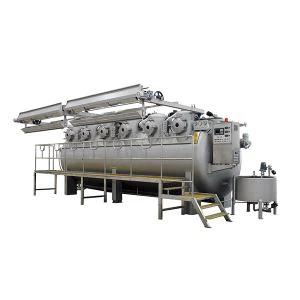
Hey there! As a supplier of High Temperature Rapid Dyeing Machines, I've seen firsthand how crucial it is to get the pH value right during the dyeing process. In this blog, I'm gonna share some tips on how to adjust the pH value in a High Temperature Rapid Dyeing Machine, so you can achieve those perfect, consistent colors every time.
Why pH Matters in Dyeing
First off, let's talk about why pH is such a big deal in the dyeing process. The pH level of the dye bath can have a huge impact on how the dye interacts with the fabric. Different dyes work best at different pH levels. For example, acid dyes typically require an acidic environment (pH around 3 - 6), while reactive dyes often work better in a more alkaline setting (pH around 10 - 11).
If the pH is off, you might end up with uneven dyeing, poor color fastness, or even damage to the fabric. So, getting that pH just right is essential for high - quality results.
Measuring the pH
Before you can adjust the pH, you need to know what it currently is. You can use a pH meter or pH test strips to measure the pH of the dye bath. pH meters are more accurate, but test strips are a quick and easy option, especially for smaller operations.
To use a pH meter, simply dip the electrode into the dye bath and wait for the reading to stabilize. Make sure to calibrate the meter regularly according to the manufacturer's instructions. If you're using test strips, dip the strip into the dye bath for a few seconds, then compare the color of the strip to the color chart on the package.
Adjusting the pH Up (Making it More Alkaline)
If your pH is too low and you need to make the dye bath more alkaline, you can use substances like sodium carbonate (soda ash) or sodium hydroxide (caustic soda).
- Sodium Carbonate: This is a common choice for adjusting the pH in dyeing. It's relatively mild and easy to handle. Start by adding small amounts of sodium carbonate to the dye bath, stirring well after each addition. Then, re - measure the pH. Keep adding in small increments until you reach the desired pH level.
- Sodium Hydroxide: This is a stronger alkali, so it should be used with caution. It can cause skin burns and other hazards if not handled properly. You'll want to wear protective gloves and goggles when working with sodium hydroxide. Similar to sodium carbonate, add it in small amounts and re - measure the pH frequently.
Adjusting the pH Down (Making it More Acidic)
If your pH is too high and you need to make the dye bath more acidic, you can use substances like acetic acid or sulfuric acid.
- Acetic Acid: This is a weak acid that is commonly used in the textile industry. It's relatively safe to handle compared to stronger acids. Start by adding small amounts of acetic acid to the dye bath, stirring well. Then, measure the pH again. Keep adding in small amounts until you get the right pH.
- Sulfuric Acid: This is a stronger acid and should be handled with extreme care. It can cause severe burns and is highly corrosive. Always wear appropriate protective gear when using sulfuric acid. Add it very slowly in small increments and continuously monitor the pH.
Factors Affecting pH Stability
There are several factors that can affect the stability of the pH during the dyeing process in a High Temperature Rapid Dyeing Machine.
- Temperature: High temperatures can cause the pH to change. As the temperature increases, the dissociation of acids and bases can be affected, leading to a shift in the pH. You might need to monitor and adjust the pH more frequently during the heating and cooling phases of the dyeing cycle.
- Fabric Type: Different fabrics can absorb or release chemicals that affect the pH of the dye bath. For example, some natural fibers like wool can release acids during the dyeing process, which can lower the pH. Be aware of how the fabric you're dyeing might impact the pH and make adjustments accordingly.
- Dye Concentration: The amount of dye in the bath can also influence the pH. Some dyes contain acidic or alkaline components that can change the pH of the solution. When you change the dye concentration, you may need to re - evaluate and adjust the pH.
Using Our High Temperature Rapid Dyeing Machines
Our High Temperature Rapid Dyeing Machines are designed to make the dyeing process as efficient and effective as possible. They come with advanced features that can help you maintain the right pH during the dyeing process.
For example, some of our machines have built - in pH monitoring systems that can continuously measure the pH of the dye bath. This allows you to make real - time adjustments, ensuring consistent and high - quality dyeing results.
We offer a range of different models to suit your specific needs. If you're working with knit fabrics, check out our HTHP Knit Fabric Dyeing Machine. It's specially designed to handle the unique requirements of knit fabrics, providing even dyeing and excellent color fastness.
For those who need high - speed dyeing, our High Temperature High Speed Dyeing Machine is a great option. It can significantly reduce the dyeing time without compromising on quality.
And if you're dyeing milk silk fabric, our Jet Dyeing Machine For Milk Silk Fabric is the perfect choice. It's optimized to work with the delicate nature of milk silk, ensuring beautiful and long - lasting colors.


Tips for Consistent pH Adjustment
- Keep Records: Maintain a log of the pH levels, the amount of chemicals added, and the dyeing conditions for each batch. This will help you identify patterns and make more informed adjustments in the future.
- Test on a Small Scale: Before dyeing a large batch of fabric, do a small - scale test. This allows you to fine - tune the pH and other dyeing parameters without wasting a lot of materials.
- Train Your Staff: Make sure your employees are properly trained on how to measure and adjust the pH. Safety should also be a top priority when handling chemicals.
Conclusion
Adjusting the pH value during the dyeing process in a High Temperature Rapid Dyeing Machine is a critical step for achieving high - quality, consistent results. By measuring the pH accurately, using the right chemicals to adjust it, and being aware of the factors that can affect pH stability, you can improve the efficiency and quality of your dyeing operations.
If you're in the market for a new High Temperature Rapid Dyeing Machine or have any questions about pH adjustment in the dyeing process, don't hesitate to reach out. We're here to help you make the most of your dyeing operations and achieve the best possible results. Contact us to start a procurement discussion and take your dyeing business to the next level.
References
- Textile Dyeing Handbook, various authors
- Journal of Textile Science and Engineering, multiple issues related to dyeing processes.