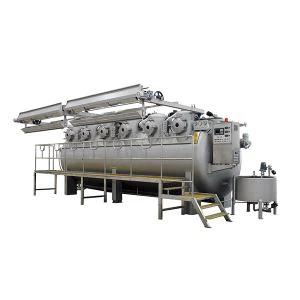
Hey there! As a supplier of HTHP Fabric Dyeing Machines, I've seen firsthand the importance of ensuring color fastness in the dyeing process. Color fastness is crucial because it determines how well the color of a dyed fabric will withstand various factors like washing, rubbing, and exposure to light. In this blog, I'll share some tips on how to ensure the color fastness of dyed fabrics when using our HTHP Fabric Dyeing Machines.
Understanding the Basics of Color Fastness
Before we dive into the tips, let's quickly understand what color fastness is. Color fastness refers to the ability of a dyed fabric to retain its color under different conditions. Poor color fastness can lead to color bleeding, fading, or staining, which can significantly reduce the quality and value of the fabric.
There are several factors that can affect color fastness, including the type of dye used, the fabric material, the dyeing process, and the after-treatment of the fabric. By understanding these factors, we can take steps to improve color fastness and ensure that our dyed fabrics meet the highest quality standards.
Choosing the Right Dye
The first step in ensuring color fastness is choosing the right dye for the fabric. Different dyes have different properties and are suitable for different types of fabrics. For example, reactive dyes are commonly used for cotton and other cellulosic fibers, while acid dyes are used for wool, silk, and nylon.
When choosing a dye, it's important to consider the color fastness requirements of the fabric. Some dyes offer better color fastness to washing, while others are more resistant to light or rubbing. Look for dyes that are specifically formulated for high color fastness and are suitable for the fabric you're dyeing.
Preparing the Fabric
Proper fabric preparation is essential for achieving good color fastness. Before dyeing, the fabric should be thoroughly cleaned to remove any dirt, oil, or other contaminants that could interfere with the dyeing process. This can be done by washing the fabric in a mild detergent and rinsing it thoroughly.
In addition to cleaning, the fabric may also need to be pre-treated to improve its dyeability. For example, some fabrics may need to be mercerized or scoured to increase their affinity for the dye. Pre-treatment can also help to improve the color fastness of the dyed fabric by creating a more uniform surface for the dye to adhere to.
Controlling the Dyeing Process
The dyeing process itself plays a crucial role in determining color fastness. When using an HTHP Fabric Dyeing Machine, it's important to control the temperature, time, and pH of the dye bath to ensure that the dye is properly absorbed by the fabric.
The temperature of the dye bath should be carefully controlled to ensure that the dye is activated and can penetrate the fabric fibers. Different dyes have different optimal dyeing temperatures, so it's important to follow the manufacturer's instructions. In general, higher temperatures can improve the dyeing efficiency, but they can also increase the risk of color fading or bleeding.


The time of the dyeing process is also important. The fabric should be left in the dye bath for the recommended amount of time to ensure that the dye is fully absorbed. However, over-dyeing can also lead to poor color fastness, so it's important to avoid leaving the fabric in the dye bath for too long.
The pH of the dye bath can also affect color fastness. Different dyes require different pH levels for optimal dyeing. For example, reactive dyes typically require a slightly alkaline pH, while acid dyes require an acidic pH. By adjusting the pH of the dye bath, we can ensure that the dye is properly absorbed by the fabric and that the color fastness is maximized.
After-Treatment of the Fabric
After dyeing, the fabric should be properly after-treated to improve color fastness. This can include washing the fabric to remove any excess dye, fixing the dye to the fabric, and applying a finishing treatment to protect the color.
Washing the fabric after dyeing is important to remove any loose or unreacted dye that could cause color bleeding or fading. The fabric should be washed in a mild detergent and rinsed thoroughly to ensure that all the excess dye is removed.
Fixing the dye to the fabric is another important step in improving color fastness. This can be done by using a fixing agent, such as a cationic fixing agent or a resin-based fixing agent. The fixing agent helps to bind the dye to the fabric fibers and prevent it from washing out.
Applying a finishing treatment to the fabric can also help to improve color fastness. Finishing treatments can include the application of a water-repellent coating, a UV protector, or a softener. These treatments can help to protect the color of the fabric from the effects of washing, light, and other environmental factors.
Using Our HTHP Fabric Dyeing Machines
At our company, we offer a range of High Temperature and High Pressure Dyeing Machine that are designed to provide excellent color fastness and high-quality dyeing results. Our machines are equipped with advanced features and technologies that allow for precise control of the dyeing process, including temperature, time, and pH.
One of our popular machines is the High-Pressure Rapid Dyeing Machine For RPET Fabric Suede Fabric. This machine is specifically designed for dyeing RPET fabric and suede fabric, and it offers fast and efficient dyeing with excellent color fastness.
Another machine we offer is the Jet Dyeing Machine For Velboa Fabric. This machine is ideal for dyeing velboa fabric and other similar materials, and it provides uniform dyeing and high color fastness.
By using our HTHP Fabric Dyeing Machines, you can ensure that your dyed fabrics have excellent color fastness and meet the highest quality standards. Our machines are easy to operate, energy-efficient, and reliable, making them a great choice for any fabric dyeing operation.
Conclusion
Ensuring color fastness is essential for producing high-quality dyed fabrics. By choosing the right dye, preparing the fabric properly, controlling the dyeing process, and after-treating the fabric, we can improve color fastness and ensure that our dyed fabrics meet the highest quality standards.
At our company, we're committed to providing our customers with the best HTHP Fabric Dyeing Machines and the latest technologies to help them achieve excellent color fastness and high-quality dyeing results. If you're interested in learning more about our machines or have any questions about color fastness, please don't hesitate to contact us. We'd be happy to discuss your needs and help you find the right solution for your fabric dyeing operation.
References
- "Textile Dyeing and Finishing" by A. K. Majumdar
- "Handbook of Textile and Industrial Dyeing" edited by M. Lewis
- "Color Fastness Testing of Textiles" by B. C. Gupta