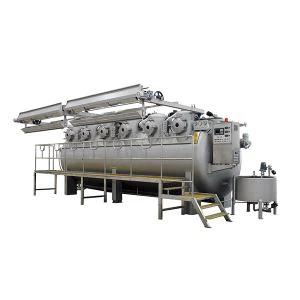
In the textile industry, the dyeing process is a crucial step that significantly impacts the quality, appearance, and value of the final fabric products. As a leading supplier of HTHP Dual Flow Fabric Dyeing Machines, I am well - versed in the intricacies of optimizing the dyeing process using this advanced equipment. In this blog, I will share some key strategies and insights on how to make the most of the HTHP Dual Flow Fabric Dyeing Machine to achieve superior dyeing results.
Understanding the HTHP Dual Flow Fabric Dyeing Machine
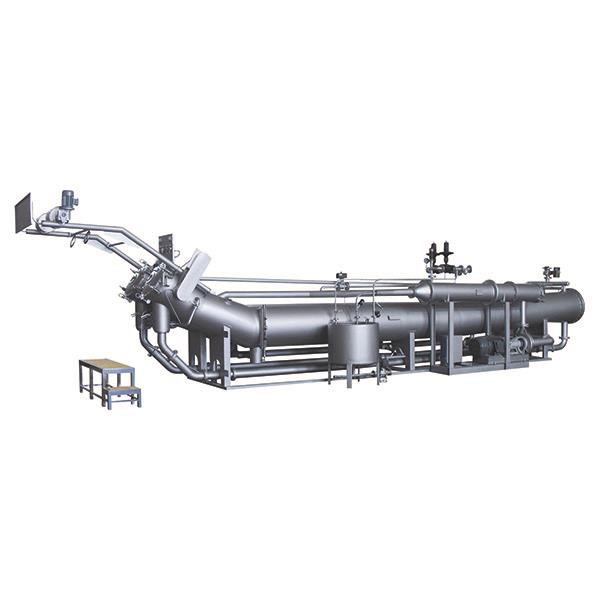
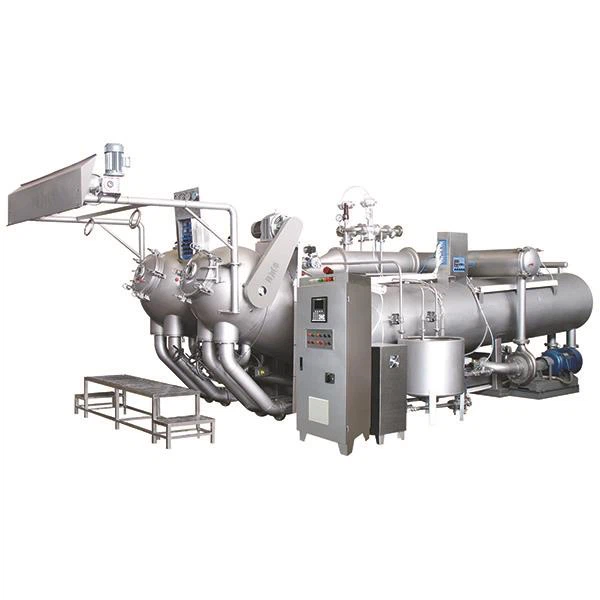
Before delving into the optimization strategies, it is essential to understand the unique features and advantages of the HTHP Dual Flow Fabric Dyeing Machine. This machine operates under high - temperature and high - pressure (HTHP) conditions, which allows for more efficient and uniform dye penetration into the fabric fibers. The dual - flow system means that the dye liquor circulates in two directions, enhancing the contact between the fabric and the dye, and reducing the likelihood of uneven dyeing.
The HTHP environment in the machine can accelerate the dyeing process, as higher temperatures increase the solubility of dyes and the mobility of dye molecules. This results in faster dye uptake by the fabric, reducing the overall dyeing time. The dual - flow mechanism ensures that the fabric is continuously exposed to fresh dye liquor from different angles, preventing the formation of dye - rich or dye - poor areas on the fabric surface.
Key Factors for Optimizing the Dyeing Process
1. Dye Selection
The choice of dyes is fundamental to the success of the dyeing process. When using an HTHP Dual Flow Fabric Dyeing Machine, it is crucial to select dyes that are suitable for high - temperature and high - pressure conditions. Reactive dyes, disperse dyes, and acid dyes are commonly used in this type of machine, depending on the type of fabric being dyed.
Reactive dyes are ideal for cellulose - based fabrics such as cotton and linen. They form a covalent bond with the fabric fibers under high - temperature conditions, resulting in excellent color fastness. Disperse dyes are mainly used for synthetic fibers like polyester. They have good solubility in the HTHP environment and can penetrate the dense structure of polyester fibers effectively. Acid dyes are suitable for protein - based fibers such as wool and silk, as they can form ionic bonds with the fibers.
It is also important to consider the compatibility of different dyes when using a combination of them. Incompatible dyes may cause problems such as precipitation, uneven dyeing, or reduced color fastness. Conducting small - scale dyeing tests with different dye combinations can help determine the most suitable dye selection for a particular fabric.
2. Dye Bath Preparation
Proper dye bath preparation is essential for achieving uniform dyeing. The dye bath should be prepared with the correct concentration of dyes, auxiliaries, and water. The concentration of dyes depends on the desired color depth and the type of fabric. A precise measurement of dyes is necessary to ensure consistent results.
Auxiliaries such as leveling agents, dispersants, and pH regulators play important roles in the dye bath. Leveling agents help to ensure uniform dye distribution on the fabric surface by controlling the rate of dye uptake. Dispersants prevent the aggregation of dye particles, which can lead to uneven dyeing. pH regulators are used to adjust the pH value of the dye bath, as different dyes require specific pH conditions for optimal performance. For example, reactive dyes usually work best in an alkaline environment, while acid dyes require an acidic pH.
The water used in the dye bath should be of good quality, free from impurities such as heavy metals and hardness. Hard water can react with dyes and auxiliaries, affecting their performance. Using softened water or deionized water can help avoid these problems.
3. Fabric Pretreatment
Fabric pretreatment is a crucial step before dyeing. It can improve the dyeability of the fabric and ensure uniform dyeing. Pretreatment processes may include scouring, bleaching, and mercerizing, depending on the type of fabric.
Scouring is used to remove impurities such as oils, waxes, and dirt from the fabric surface. This improves the wetting ability of the fabric and allows better penetration of dyes. Bleaching is often carried out to remove natural colorants from the fabric, providing a clean base for dyeing. Mercerizing is a process mainly applied to cotton fabrics. It can improve the luster, strength, and dyeability of the fabric by altering the fiber structure.
Proper fabric pretreatment can also reduce the amount of dyes required for achieving the desired color depth, as the clean and well - prepared fabric can absorb dyes more efficiently.
4. Machine Parameters Setting
Optimizing the machine parameters is critical for efficient and uniform dyeing. The main parameters to consider include temperature, pressure, dyeing time, and flow rate.
The temperature setting in the HTHP Dual Flow Fabric Dyeing Machine should be adjusted according to the type of dyes and fabric. For example, when using disperse dyes for polyester fabric, the temperature may need to be set between 120 - 135°C to ensure complete dye penetration. Higher temperatures can speed up the dyeing process, but excessive temperatures may cause damage to the fabric or reduce the color fastness of dyes.
The pressure in the machine should be maintained at a stable level. The high - pressure environment helps to keep the dye liquor in a liquid state at high temperatures and promotes better contact between the dye and the fabric. The pressure is usually set based on the machine's specifications and the requirements of the dyeing process.
The dyeing time is another important parameter. It should be long enough to allow the dyes to fully penetrate the fabric fibers but not too long to avoid over - dyeing or damage to the fabric. The flow rate of the dye liquor in the dual - flow system should be adjusted to ensure that the fabric is evenly exposed to the dye liquor. A higher flow rate can enhance the exchange of dye liquor around the fabric, but it may also cause mechanical damage to the fabric if it is too high.
5. Fabric Handling
Proper fabric handling during the dyeing process is essential to prevent damage to the fabric and ensure uniform dyeing. The fabric should be loaded into the machine carefully to avoid tangling or creasing. Tangled fabric can lead to uneven dyeing, as some parts of the fabric may be more tightly packed and less exposed to the dye liquor.
The tension of the fabric during the dyeing process should also be controlled. Excessive tension can cause stretching or distortion of the fabric, while too little tension may result in the fabric bunching up. The HTHP Dual Flow Fabric Dyeing Machine is designed to handle fabric with a certain degree of flexibility, but proper fabric handling can further improve the dyeing quality.
Advanced Techniques for Further Optimization
1. Automation and Control Systems
Modern HTHP Dual Flow Fabric Dyeing Machines are often equipped with advanced automation and control systems. These systems can precisely control the machine parameters such as temperature, pressure, flow rate, and dye injection. By using a programmable logic controller (PLC), the dyeing process can be accurately replicated, reducing human errors and ensuring consistent dyeing results.
The automation system can also monitor the dyeing process in real - time. Sensors can detect parameters such as temperature, pressure, and pH value, and adjust the machine settings accordingly. This real - time monitoring and adjustment can help optimize the dyeing process and improve the overall efficiency.
2. Recycling and Reusing Dye Liquor
To reduce costs and environmental impact, recycling and reusing the dye liquor is a viable option. After the dyeing process, a significant amount of dye liquor still contains unused dyes and auxiliaries. By using appropriate filtration and purification techniques, the dye liquor can be recycled and reused in subsequent dyeing processes.
This not only reduces the consumption of dyes and chemicals but also minimizes the discharge of wastewater. Some HTHP Dual Flow Fabric Dyeing Machines are designed with built - in recycling systems that can separate the used dye liquor, remove impurities, and adjust the concentration of dyes and auxiliaries for reuse.
Conclusion
Optimizing the dyeing process using an HTHP Dual Flow Fabric Dyeing Machine requires a comprehensive understanding of various factors, including dye selection, dye bath preparation, machine parameter setting, and fabric handling. By carefully considering these factors and implementing advanced techniques such as automation and dye liquor recycling, textile manufacturers can achieve superior dyeing results, reduce costs, and improve production efficiency.
As a supplier of HTHP Dual Flow Fabric Dyeing Machines, we are committed to providing high - quality equipment and technical support to our customers. Our machines are designed with the latest technology to ensure efficient and uniform dyeing. If you are interested in learning more about our products and how they can optimize your dyeing process, please contact us for further discussion. We are looking forward to establishing long - term partnerships with you and helping you achieve greater success in the textile industry.
For more information about our related products, you can visit the following links:
HTHP Rapid Dyeing Machine
Dual Flow Dyeing Machine
High Pressure Jet Dyeing Machine
References
- Lewis, D. M. (Ed.). (2011). The theory of dyeing. Society of Dyers and Colourists.
- Shore, J. (2003). Colour science for the textile industry. Society of Dyers and Colourists.
- Zollinger, H. (2003). Color chemistry: syntheses, properties, and applications of organic dyes and pigments. Wiley - VCH.