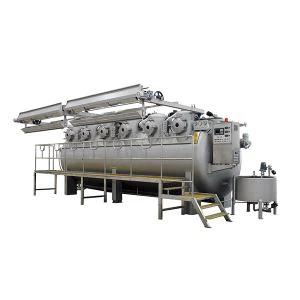
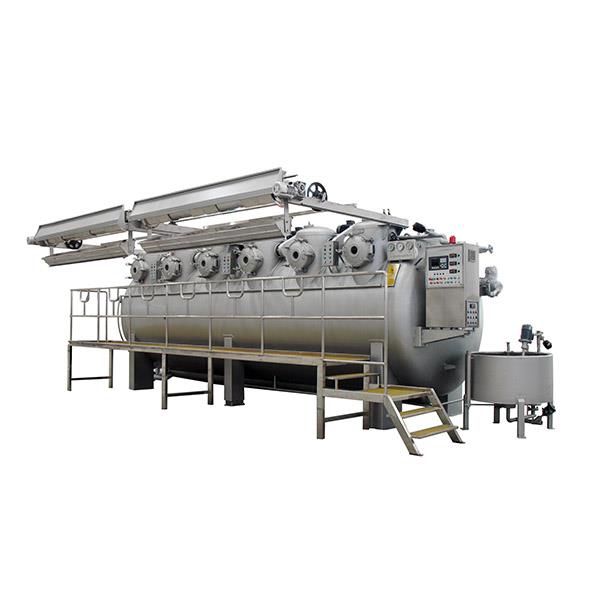
When it comes to the textile industry, cloth dyeing machines play a pivotal role in achieving high - quality and consistent coloration of fabrics. As a leading cloth dyeing machine supplier, I understand the importance of proper installation for the optimal performance of these machines. In this blog, I will delve into the installation requirements for a cloth dyeing machine.
1. Site Preparation
The first step in installing a cloth dyeing machine is to prepare the right site. The location should be spacious enough to accommodate the machine and allow for easy access for maintenance and operation. A general rule of thumb is to have at least 1 - 2 meters of clearance around the machine on all sides. This space is crucial for technicians to perform routine checks, repairs, and for loading and unloading fabrics.
The floor of the installation site must be strong and level. Cloth dyeing machines are heavy pieces of equipment, and an uneven or weak floor can cause the machine to tilt, leading to improper operation and potential damage. A reinforced concrete floor is often the best choice. The floor should be able to withstand the weight of the machine, which can range from a few hundred kilograms to several tons depending on the size and type of the dyeing machine. For example, a large - scale HTHP Soft Flow Fabric Dyeing Machine may require a more robust floor structure compared to a smaller, more compact model.
2. Utilities Requirements
Water Supply
A reliable water supply is essential for a cloth dyeing machine. The water should be clean and free from impurities such as sand, dirt, and excessive minerals. Hard water can cause problems in the dyeing process, as the minerals in hard water can react with the dyes and chemicals, leading to uneven coloration and poor dyeing results. A water treatment system may be necessary to ensure the quality of the water.
The water supply should have a sufficient flow rate and pressure. The flow rate depends on the size and capacity of the dyeing machine. For a medium - sized Jet Dyeing Machine For Satin Fabric, a flow rate of at least 10 - 15 liters per minute may be required. The water pressure should be stable, typically ranging from 2 - 5 bar. Low water pressure can result in insufficient water circulation within the machine, while high water pressure can cause leaks and damage to the machine's pipes and fittings.
Steam Supply
Most cloth dyeing machines require steam for heating the dye bath. The steam should be dry and of high quality. Wet steam can contain water droplets, which can affect the temperature control in the dyeing process. The steam pressure and temperature need to be carefully regulated. The steam pressure usually ranges from 3 - 8 bar, depending on the machine's specifications.
A proper steam distribution system is also necessary. The pipes should be well - insulated to prevent heat loss and ensure efficient steam transfer. The steam supply should be connected to the machine through appropriate valves and fittings to allow for easy control and adjustment.
Electrical Supply
The electrical supply for a cloth dyeing machine must meet the machine's power requirements. Different types of dyeing machines have different power ratings. A small - scale dyeing machine may require a single - phase electrical supply, while larger machines usually need a three - phase supply. The voltage should be stable, typically within ± 5% of the rated voltage.
Proper grounding is crucial for electrical safety. The machine should be connected to a reliable grounding system to prevent electrical shocks and damage to the machine in case of a short - circuit. An electrical panel with appropriate circuit breakers and fuses should be installed to protect the machine from over - current and short - circuit conditions.
3. Ventilation System
A good ventilation system is necessary to remove the fumes and odors generated during the dyeing process. The dyeing process involves the use of various chemicals, some of which can be harmful if inhaled. The ventilation system should be able to extract the fumes effectively and discharge them outside the building.
The ventilation rate depends on the size of the dyeing machine and the volume of the dyeing area. A general guideline is to have an air exchange rate of at least 6 - 10 times per hour. The ventilation ducts should be properly sized and installed to ensure smooth air flow. The exhaust outlet should be located away from air intakes to prevent the re - entry of the fumes into the building.
4. Machine Assembly and Alignment
Once the site is prepared and the utilities are in place, the next step is to assemble and align the cloth dyeing machine. The machine should be assembled according to the manufacturer's instructions. All the components should be properly connected, and the bolts and nuts should be tightened to the specified torque.
Alignment is crucial for the smooth operation of the machine. The machine should be leveled both horizontally and vertically. A spirit level can be used to check the levelness. Misalignment can cause excessive vibration, noise, and premature wear of the machine's components. For example, if the drum of a HTHP Soft Flow Dyeing Machine is not properly aligned, it can lead to uneven fabric movement and poor dyeing results.
5. Testing and Commissioning
After the machine is assembled and aligned, it needs to be tested and commissioned. The first step is to perform a dry run of the machine without any fabric or dye. This helps to check the mechanical operation of the machine, such as the rotation of the drum, the movement of the pumps, and the opening and closing of the valves.
Next, a test dyeing process should be carried out using a small amount of fabric and dye. This test run allows for the adjustment of the machine's parameters, such as temperature, time, and dye concentration. The quality of the dyed fabric should be inspected to ensure that the machine is operating correctly. Any issues identified during the testing phase should be addressed immediately before the machine is put into full - scale production.

6. Training for Operators
Proper training for operators is an often - overlooked but crucial part of the installation process. Operators should be trained on how to operate the cloth dyeing machine safely and efficiently. They should understand the machine's controls, parameters, and maintenance requirements.
The training should cover topics such as how to load and unload fabrics, how to set the dyeing parameters, how to clean and maintain the machine, and how to handle emergencies. A well - trained operator can ensure the long - term performance and reliability of the machine, as well as the quality of the dyed fabrics.
In conclusion, the installation of a cloth dyeing machine is a complex process that requires careful planning and attention to detail. By meeting the installation requirements in terms of site preparation, utilities, ventilation, assembly, testing, and operator training, you can ensure the optimal performance of the machine and achieve high - quality dyeing results.
If you are interested in purchasing a cloth dyeing machine or have any questions about the installation process, please feel free to contact us for further discussion. Our team of experts is ready to assist you in finding the most suitable machine for your needs and ensuring a smooth installation process.
References
- Textile Machinery Handbook, various editions
- Manufacturer's installation manuals for cloth dyeing machines