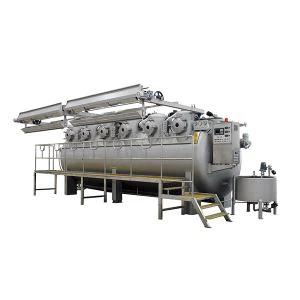
As a supplier of Gas - Liquid Dyeing Machines, I've had in - depth experiences with these advanced pieces of equipment. While gas - liquid dyeing machines offer numerous advantages such as reduced water consumption, high - speed dyeing, and better fabric quality, they are not without limitations. In this blog, I'll explore the various limitations of gas - liquid dyeing machines to provide a comprehensive understanding for potential users.
1. High Initial Investment
One of the most significant limitations of gas - liquid dyeing machines is the high initial investment required. These machines are equipped with advanced technology, including complex gas - liquid mixing systems, precise temperature and pressure control devices, and high - performance pumps. All these features contribute to a relatively high manufacturing cost, which is then passed on to the buyers.
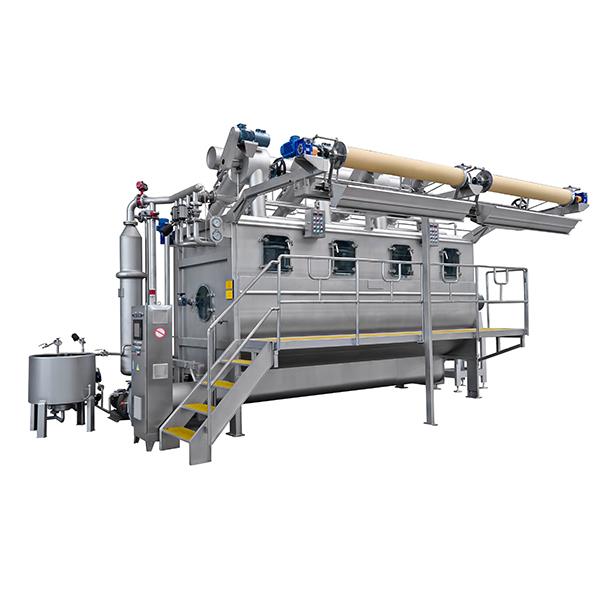

For small and medium - sized textile enterprises, the cost of purchasing a gas - liquid dyeing machine can be a substantial financial burden. The price of a high - end gas - liquid dyeing machine can range from tens of thousands to hundreds of thousands of dollars. This high cost not only includes the machine itself but also the installation, commissioning, and training expenses. Moreover, additional costs may be incurred for upgrading the factory infrastructure to accommodate the machine, such as improving the power supply and ventilation systems.
2. Technical Complexity and Maintenance Requirements
Gas - liquid dyeing machines are highly technical equipment. They involve the integration of multiple disciplines, including fluid mechanics, thermodynamics, and automation control. Operating and maintaining these machines require a high level of technical expertise.
The complex gas - liquid mixing process in the machine needs to be precisely controlled to ensure uniform dyeing. Any slight deviation in the gas - liquid ratio, temperature, or pressure can lead to uneven dyeing results. This means that operators need to have a deep understanding of the machine's working principles and be able to adjust the parameters accurately according to different fabric types and dyeing requirements.
In terms of maintenance, the machine has many components that need regular inspection and replacement. For example, the gas - liquid nozzles are prone to clogging, which can affect the dyeing quality. The seals and gaskets also need to be checked regularly to prevent gas and liquid leakage. Maintenance work often requires specialized tools and knowledge, and in some cases, it may be necessary to invite professional technicians for on - site repairs. This not only increases the maintenance cost but also may cause production downtime, affecting the overall production efficiency.
3. Limited Applicability to Certain Fabric Types
Although gas - liquid dyeing machines can handle a wide range of fabric types, they still have limitations in dealing with some special fabrics.
Some thick and heavy - weight fabrics may not be dyed evenly in gas - liquid dyeing machines. The gas - liquid flow in the machine may not be able to penetrate deeply into the fabric structure, resulting in insufficient dye penetration and uneven color distribution. For example, some industrial fabrics with high density and thick yarns may require a longer dyeing time or a different dyeing method to achieve the desired color fastness and uniformity.
In addition, fabrics with special surface treatments or coatings may also pose challenges to gas - liquid dyeing. The gas - liquid flow may damage the surface treatment or coating, affecting the fabric's original performance. For instance, some waterproof or flame - retardant fabrics need to maintain their special properties during the dyeing process, and the gas - liquid dyeing process may not be suitable for them.
4. Dye Compatibility Issues
The choice of dyes is crucial in gas - liquid dyeing machines. Not all dyes are compatible with the gas - liquid dyeing process.
Gas - liquid dyeing requires dyes that can be easily dissolved and dispersed in the gas - liquid medium. Some traditional dyes may not have good solubility or dispersibility in the gas - liquid system, which can lead to dye aggregation and precipitation. This not only affects the dyeing quality but also may cause clogging of the machine's nozzles and pipelines.
Moreover, the gas - liquid dyeing process often involves high - temperature and high - pressure conditions, which may cause some dyes to undergo chemical reactions or decompose. This can result in color changes or reduced color fastness. Therefore, when using gas - liquid dyeing machines, it is necessary to select dyes specifically designed for this process, which may limit the color options and increase the cost of dyes.
5. Environmental and Safety Concerns
Although gas - liquid dyeing machines are generally considered more environmentally friendly than traditional liquid dyeing machines due to reduced water consumption, they still have some environmental and safety concerns.
The gas used in the gas - liquid dyeing process, such as compressed air or nitrogen, needs to be produced and stored properly. The production of compressed gas often consumes a large amount of electricity, which has an impact on energy consumption. In addition, if there is a gas leakage in the machine, it may pose a safety hazard to the operators.
The dyeing waste generated by gas - liquid dyeing machines also needs to be treated properly. Although the amount of waste is relatively small compared to traditional dyeing methods, the waste still contains dyes, chemicals, and other pollutants. Improper disposal of the waste can cause environmental pollution.
6. Difficulty in Scaling up Production
Scaling up production with gas - liquid dyeing machines can be challenging. When increasing the production volume, it is not simply a matter of adding more machines.
The layout of the factory needs to be carefully planned to ensure that there is enough space for the additional machines and related equipment. The power supply, water supply, and ventilation systems also need to be upgraded accordingly to meet the increased production requirements.
Moreover, as the number of machines increases, the management and coordination of production become more complex. Operators need to ensure that all machines are operating stably and producing consistent quality products. Any imbalance in the production process, such as uneven raw material supply or inconsistent machine operation, can lead to quality problems and production inefficiencies.
Despite these limitations, gas - liquid dyeing machines still have many advantages and are widely used in the textile industry. At our company, we offer a variety of gas - liquid dyeing machines, including the Air & Liquid Multi - flow HT Dyeing Machine, Normal Temperature Gas - liquid Dyeing Machine for Fabric, and High Temperature High Pressure Liquid Dyeing Machine. We are committed to continuously improving our products to overcome these limitations and provide better solutions for our customers.
If you are interested in our gas - liquid dyeing machines or have any questions about the dyeing process, please feel free to contact us for further discussion and potential procurement negotiations. We look forward to working with you to achieve more efficient and high - quality textile dyeing.
References
- Textile Dyeing Technology Handbook, published by a well - known textile research institution.
- Journal of Textile Engineering, various issues related to dyeing machine technology.