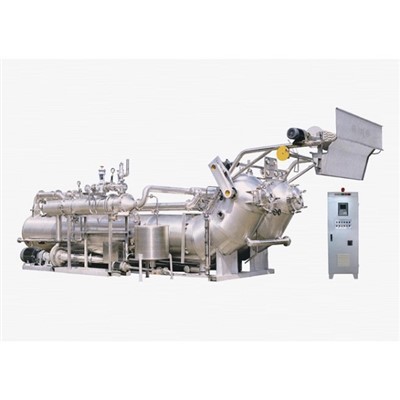
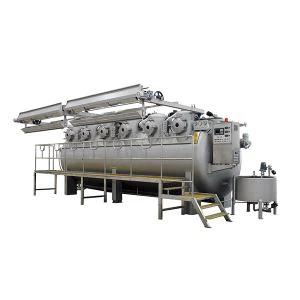
Hey there! As a supplier of cloth dyeing machines, I often get asked about the capacity of a typical cloth dyeing machine. Well, it's not a one - size - fits - all answer, and there are a bunch of factors that come into play.

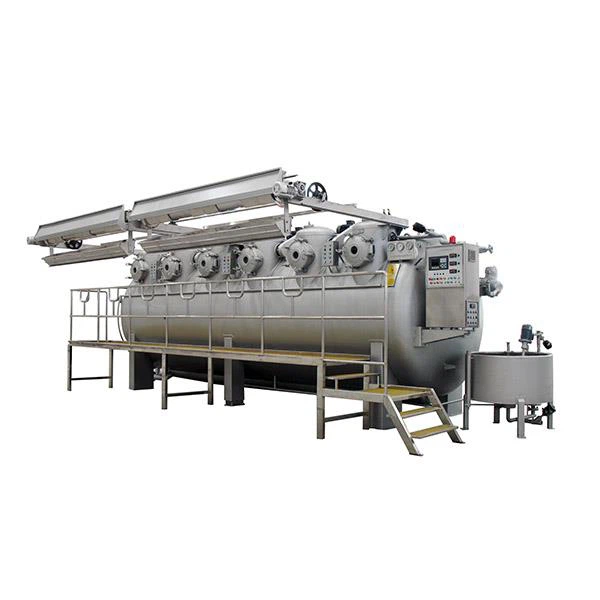
First off, let's talk about the different types of cloth dyeing machines. We've got the Atmospheric Soft Flow Dyeing Machine, the High - Temperature And High - Pressure Jet Dyeing Machine, and the High Temperature High Pressure Winch Dyeing Machine. Each of these machines has its own unique capacity characteristics.
The capacity of a cloth dyeing machine is usually measured in terms of the weight of the fabric it can handle in one batch. For small - scale operations or for testing new dyeing recipes, you might find machines with a capacity as low as 5 - 10 kilograms per batch. These are great for boutique fabric producers or research and development labs. They're compact, easy to operate, and don't require a huge amount of space or resources.
On the other hand, large - scale industrial cloth dyeing machines can handle anywhere from 100 kilograms to over 1000 kilograms per batch. These behemoths are designed for high - volume production, where speed and efficiency are of the essence. They're often used by big textile manufacturers who need to dye large quantities of fabric in a short period of time.
Let's take a closer look at the different types of machines and their typical capacities.
Atmospheric Soft Flow Dyeing Machine
This type of machine is known for its gentle handling of fabrics. It uses a soft flow of dye liquor to ensure even dyeing without causing too much mechanical stress on the fabric. The capacity of an atmospheric soft flow dyeing machine can vary widely. Smaller models might have a capacity of around 20 - 50 kilograms per batch. These are suitable for dyeing delicate fabrics like silk or lace, where a gentle touch is required.
Medium - sized atmospheric soft flow dyeing machines can handle 50 - 200 kilograms per batch. They're a good choice for medium - sized textile factories that produce a variety of fabrics, including cotton, polyester, and blends. Larger industrial models of the Atmospheric Soft Flow Dyeing Machine can have a capacity of 200 - 500 kilograms per batch or even more. These are used by large - scale textile mills that focus on high - volume production of standard fabrics.
High - Temperature And High - Pressure Jet Dyeing Machine
The high - temperature and high - pressure jet dyeing machine is designed to handle more robust fabrics. It uses a high - pressure jet of dye liquor to penetrate the fabric quickly, resulting in faster dyeing times. The capacity of these machines also varies depending on their size.
Smaller high - temperature and high - pressure jet dyeing machines can handle around 50 - 100 kilograms per batch. They're suitable for small to medium - sized factories that need to dye fabrics like denim or heavy - duty cotton. Medium - sized models can handle 100 - 300 kilograms per batch, which is great for medium - scale production of a wide range of fabrics.
Large - scale High - Temperature And High - Pressure Jet Dyeing Machine can handle 300 - 1000 kilograms per batch or more. These are used by large textile manufacturers who have a high demand for quickly dyeing large quantities of fabric.
High Temperature High Pressure Winch Dyeing Machine
The high temperature high pressure winch dyeing machine is a traditional type of dyeing machine that has been around for a long time. It uses a winch to move the fabric through the dye liquor. This type of machine is known for its ability to handle large - sized fabric pieces.
Smaller high temperature high pressure winch dyeing machines can have a capacity of 50 - 150 kilograms per batch. They're often used for dyeing large - sized curtains, tablecloths, or other home textile products. Medium - sized models can handle 150 - 300 kilograms per batch, which is suitable for medium - scale production of these types of products.
Large - scale High Temperature High Pressure Winch Dyeing Machine can handle 300 - 1000 kilograms per batch or more. These are used by large textile mills that produce a large volume of home textiles or other large - sized fabric products.
Apart from the type of machine, there are other factors that can affect the capacity of a cloth dyeing machine. The type of fabric being dyed is a major factor. Fabrics with different densities, textures, and thicknesses will require different amounts of dye liquor and processing time. For example, a thick, heavy fabric like wool will take up more space in the machine and may require a longer dyeing time compared to a thin, lightweight fabric like chiffon.
The dyeing process itself also plays a role. Some dyeing processes are more complex and require more steps, which can reduce the machine's effective capacity. For instance, a multi - color dyeing process or a process that involves special finishing treatments will take longer and may limit the amount of fabric that can be dyed in one batch.
The design and construction of the machine also matter. Machines with more advanced features, such as better circulation systems or more efficient heating and cooling mechanisms, can often handle larger batches more effectively. They can ensure that the dye liquor is evenly distributed throughout the fabric, resulting in better dyeing quality and higher productivity.
So, when you're looking to buy a cloth dyeing machine, it's important to consider your specific production needs. Think about the type of fabric you'll be dyeing, the volume of production you need to achieve, and your budget. If you're a small - scale producer, a machine with a lower capacity might be more suitable for you. It'll be more cost - effective and easier to manage. But if you're a large - scale manufacturer, you'll need a high - capacity machine to meet your production demands.
If you're interested in learning more about our cloth dyeing machines or if you're looking to make a purchase, don't hesitate to reach out. We're here to help you find the perfect machine for your needs and to answer any questions you might have. Whether you're just starting out in the textile industry or you're looking to upgrade your existing equipment, we've got the expertise and the products to support you.
References
- Textile Dyeing Technology Handbook, various authors
- Industrial Textile Machinery Manual, industry experts