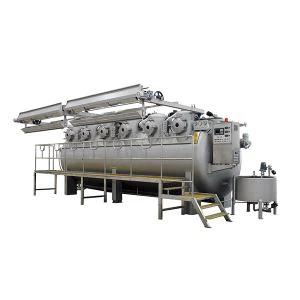
Hey there! As a supplier of HTHP Knit Fabric Dyeing Machines, I've seen firsthand the importance of ensuring uniform dye distribution in these machines. It's not just about getting a good - looking fabric; it's about meeting the high - quality standards of the textile industry. In this blog, I'm going to share some tips and tricks on how to achieve that perfect, even dyeing in your HTHP Knit Fabric Dyeing Machine.
Understanding the Basics of HTHP Dyeing
Before we dive into the ways to ensure uniform dye distribution, let's quickly go over what HTHP (High Temperature High Pressure) dyeing is all about. HTHP dyeing is a popular method for coloring knit fabrics because it allows for deep penetration of dyes into the fabric fibers. The high temperature and pressure help the dye molecules to bond more effectively with the fabric, resulting in vibrant and long - lasting colors.
But here's the catch: if the dye isn't distributed evenly, you'll end up with color variations, streaks, or spots on your fabric. And that's a big no - no in the textile business.
Factors Affecting Dye Distribution
There are several factors that can affect how evenly the dye spreads in your HTHP Knit Fabric Dyeing Machine.
1. Fabric Type and Structure
Different knit fabrics have different porosities and fiber structures. For example, a loosely knitted fabric will allow the dye to penetrate more easily than a tightly knitted one. So, you need to adjust your dyeing process according to the fabric type. If you're working with a dense fabric, you might need to use a more powerful circulation system in your machine to ensure the dye reaches all parts of the fabric.
2. Dye Selection
Not all dyes are created equal. Some dyes have better solubility and dispersion properties than others. When choosing a dye, make sure it's suitable for the fabric you're dyeing and that it can be easily dispersed in the dye bath. A good dye should dissolve completely in the water without leaving any clumps, which can cause uneven dyeing.
3. Machine Design and Functionality
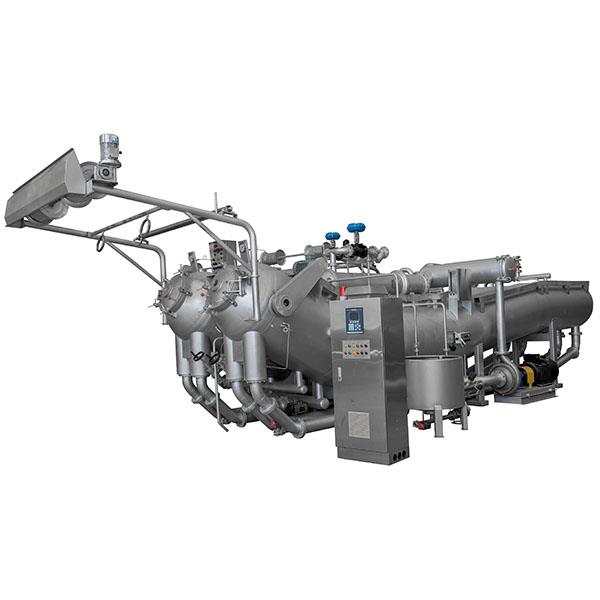
The design of your HTHP Knit Fabric Dyeing Machine plays a crucial role in dye distribution. A machine with a well - designed circulation system will be able to move the dye bath around the fabric more effectively. For instance, our HTHP Dual Flow Dyeing Machine is equipped with a dual - flow system that ensures a more uniform distribution of the dye. It has two separate flow paths for the dye bath, which helps to prevent dead zones where the dye might not reach.

Tips for Ensuring Uniform Dye Distribution
1. Pre - treatment of the Fabric
Before you start the dyeing process, it's important to pre - treat the fabric. This can involve washing the fabric to remove any impurities, such as dirt, oil, or sizing agents. You can also use a scouring agent to open up the fabric pores and make it more receptive to the dye. A clean and pre - treated fabric will allow the dye to spread more evenly.
2. Proper Dye Dissolution
Make sure you dissolve the dye properly before adding it to the dye bath. Follow the manufacturer's instructions on how to dissolve the dye, usually by using hot water and a stirring device. Stir the dye solution thoroughly until it's completely clear and free of any lumps.
3. Optimize the Dye Bath Circulation
The circulation of the dye bath is key to achieving uniform dye distribution. In your HTHP Knit Fabric Dyeing Machine, adjust the flow rate and direction of the dye bath according to the fabric type and the machine's capabilities. A higher flow rate can help to move the dye more quickly around the fabric, but be careful not to set it too high, as it might damage the fabric.
Our Rapid Jet Fabric Dyeing Machine is designed with a high - speed jet system that can enhance the circulation of the dye bath. The jet system creates a powerful flow of the dye solution, which helps to ensure that the dye reaches all parts of the fabric.
4. Temperature and Pressure Control
Maintaining the right temperature and pressure is essential for uniform dyeing. The temperature affects the solubility of the dye and the rate at which it bonds with the fabric fibers. The pressure helps to force the dye into the fabric. Make sure you follow the recommended temperature and pressure settings for the fabric and dye you're using.
Our High Temperature High Speed Dyeing Machine is capable of maintaining precise temperature and pressure levels, which is crucial for achieving consistent and uniform dyeing results.
5. Monitoring and Adjusting the Process
During the dyeing process, keep an eye on the fabric and the dye bath. Check for any signs of uneven dyeing, such as color variations or streaks. If you notice any problems, you can make adjustments to the circulation system, temperature, or dye concentration. It's also a good idea to take samples of the fabric at different stages of the dyeing process to check the color development.
Regular Maintenance of the Dyeing Machine
A well - maintained HTHP Knit Fabric Dyeing Machine is more likely to provide uniform dye distribution. Regularly clean the machine to remove any dye residues, dirt, or scale that might accumulate over time. Check the circulation pumps, valves, and pipes for any signs of wear or damage. Replace any worn - out parts promptly to ensure the machine operates at its best.
Conclusion
Ensuring uniform dye distribution in your HTHP Knit Fabric Dyeing Machine is a combination of understanding the factors that affect dyeing, following the right procedures, and using a high - quality machine. By taking the time to pre - treat the fabric, select the right dye, optimize the dye bath circulation, control the temperature and pressure, and monitor the process, you can achieve beautiful, evenly dyed knit fabrics.
If you're in the market for a reliable HTHP Knit Fabric Dyeing Machine or need more advice on dyeing processes, don't hesitate to get in touch. We're here to help you take your textile business to the next level.
References
- Textile Dyeing Handbook, Third Edition.
- Journal of Textile Science and Engineering, various issues on dyeing technology.