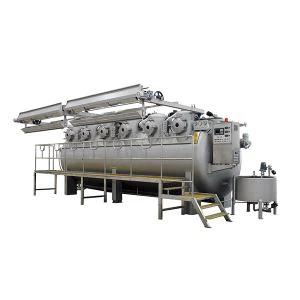
The capacity of a typical Dual Flow Dyeing Machine is a critical aspect that manufacturers, textile producers, and industry stakeholders must understand. As a supplier of Dual Flow Dyeing Machines, I am well - versed in the technical specifications and the factors that influence the capacity of these machines. In this blog, I will delve into the concept of capacity in Dual Flow Dyeing Machines, explore the determining factors, and discuss how it impacts the textile dyeing process.
Understanding the Capacity of a Dual Flow Dyeing Machine
The capacity of a Dual Flow Dyeing Machine can be defined in several ways. Primarily, it refers to the amount of fabric that the machine can process in a single dyeing cycle. This quantity is usually measured in kilograms (kg) or pounds (lbs). For instance, a machine with a capacity of 500 kg can handle up to 500 kilograms of fabric in one go.
However, capacity is not just about the weight of the fabric. It also encompasses the volume of the dye liquor required for the dyeing process. The dye liquor is the mixture of water, dyes, and chemicals that is used to color the fabric. A larger capacity machine will need a proportionally larger volume of dye liquor to ensure even and consistent dyeing.
Another important aspect related to capacity is the throughput of the machine. Throughput refers to the amount of fabric that can be dyed over a specific period, say, per hour or per day. A machine with a high capacity and efficient design will have a high throughput, allowing textile manufacturers to meet large - scale production demands.
Factors Determining the Capacity of a Dual Flow Dyeing Machine
Machine Design and Dimensions
The physical design and dimensions of the Dual Flow Dyeing Machine play a significant role in determining its capacity. Machines with larger dye vats can hold more fabric and dye liquor. The shape of the vat also matters; a well - designed vat ensures proper circulation of the dye liquor, which is essential for efficient dyeing.
The diameter and length of the fabric circulation path within the machine are also crucial. A longer and wider path can accommodate more fabric, increasing the machine's capacity. Additionally, the number of nozzles and their arrangement in the machine can affect the flow of the dye liquor and the movement of the fabric, which in turn impacts the overall capacity.
Fabric Type and Characteristics
Different types of fabrics have different densities, thicknesses, and absorbency levels. For example, a thick and heavy fabric like denim will take up more space and require more dye liquor compared to a lightweight and thin fabric like silk. The capacity of the Dual Flow Dyeing Machine needs to be adjusted based on the type of fabric being dyed.
The fabric's construction, such as woven or knitted, also affects the dyeing process. Knitted fabrics are more elastic and can be more easily compressed, allowing more of them to fit into the machine. Woven fabrics, on the other hand, may be stiffer and require more space for proper dye penetration.
Dyeing Process Requirements
The specific dyeing process being used can influence the machine's capacity. Some dyeing processes, such as high - temperature and high - pressure dyeing, require more space and a larger volume of dye liquor. For example, the High - Pressure Rapid Dyeing Machine For RPET Fabric Suede Fabric is designed for specific high - pressure dyeing processes. These processes often need a larger capacity machine to ensure that the fabric is evenly dyed under the required conditions.
The dyeing time is another factor. Longer dyeing times may require a larger machine capacity to maintain a reasonable throughput. If the dyeing process is complex and time - consuming, a machine with a larger capacity can handle more fabric during each cycle, compensating for the longer processing time.
Impact of Capacity on the Textile Dyeing Process
Production Efficiency
A Dual Flow Dyeing Machine with an appropriate capacity can significantly improve production efficiency. If the machine's capacity is too small for the production requirements, it will lead to frequent loading and unloading of fabric, which wastes time and increases labor costs. On the other hand, an oversized machine may lead to inefficient use of resources, such as excessive consumption of dye liquor and energy.
For large - scale textile manufacturers, a high - capacity machine can reduce the number of dyeing cycles required to meet production targets. This not only saves time but also reduces the overall energy consumption per unit of fabric dyed.
Quality of Dyeing
The capacity of the machine can also impact the quality of the dyeing. If the machine is overloaded, the fabric may not be properly exposed to the dye liquor, resulting in uneven dyeing. Insufficient circulation of the dye liquor in an overloaded machine can lead to color variations and other quality issues.
Conversely, if the machine is under - utilized, it may also affect the dyeing quality. The dye liquor may not be circulated efficiently, and the temperature and chemical concentrations may not be maintained consistently, leading to sub - optimal dyeing results.
Common Capacity Ranges of Dual Flow Dyeing Machines
Dual Flow Dyeing Machines come in a wide range of capacities to suit different production needs. Small - scale textile workshops may use machines with a capacity of around 50 - 200 kg. These machines are suitable for dyeing small batches of fabric, such as samples or custom - made products.


Medium - sized textile manufacturers often opt for machines with a capacity ranging from 200 - 500 kg. These machines offer a good balance between production volume and cost - effectiveness. They can handle a variety of fabric types and are suitable for a moderate level of production.
Large - scale textile factories typically use high - capacity machines with a capacity of 500 kg or more. These machines are designed for high - volume production and can meet the demands of mass - market textile products. For example, the HTHP Knit Fabric Dyeing Machine and High Pressure Jet Dyeing Machine are often available in large capacities for large - scale operations.
Choosing the Right Capacity for Your Business
When selecting a Dual Flow Dyeing Machine, it is essential to consider your business's specific needs. First, analyze your current and projected production volume. If you expect your business to grow in the future, it may be wise to invest in a machine with a larger capacity to avoid the need for frequent upgrades.
The type of fabric you work with is also a crucial factor. If you deal with a wide variety of fabric types, you may need a machine that can be easily adjusted to accommodate different fabric characteristics.
Budget is another consideration. High - capacity machines generally come with a higher price tag. However, it is important to look at the long - term benefits, such as increased production efficiency and quality, when making a purchasing decision.
Conclusion
The capacity of a typical Dual Flow Dyeing Machine is a multi - faceted concept that is influenced by various factors, including machine design, fabric type, and dyeing process requirements. Understanding the capacity of these machines is essential for textile manufacturers to ensure efficient production and high - quality dyeing.
As a supplier of Dual Flow Dyeing Machines, I am committed to providing our customers with machines that meet their specific capacity needs. Whether you are a small - scale workshop or a large - scale textile factory, we have the expertise and range of products to help you make the right choice.
If you are interested in learning more about our Dual Flow Dyeing Machines or need assistance in selecting the appropriate capacity for your business, please do not hesitate to contact us for a detailed discussion. We are ready to work with you to optimize your textile dyeing process.
References
- Textile Dyeing Machinery Handbook, Industry Publications
- Research Papers on Textile Dyeing Processes and Machine Efficiency