What is the flow rate control in a High Temperature Rapid Dyeing Machine?
Hey there! As a supplier of High Temperature Rapid Dyeing Machines, I'm super stoked to chat with you about flow rate control in these nifty machines. It's a topic that might seem a bit technical at first glance, but trust me, it's crucial for getting top - notch dyeing results.
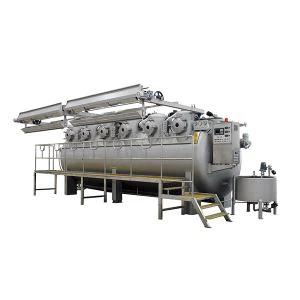
First off, let's understand what a High Temperature Rapid Dyeing Machine is all about. These machines are designed to dye fabrics at high temperatures in a relatively short period. They're used in textile industries to color all sorts of fabrics, from delicate silks to heavy - duty denims. Now, flow rate control is an essential aspect of how these machines work.
The flow rate, simply put, is how fast the dye liquor moves through the machine. It plays a huge role in determining the quality and consistency of the dyeing process. If the flow rate is too slow, the dye might not spread evenly across the fabric. This can lead to patchy coloration, where some parts of the fabric are darker or lighter than others. On the other hand, if the flow rate is too high, it can cause excessive agitation of the fabric. This may result in fabric damage, like fraying or tangling.
So, how do we control the flow rate? Well, there are a few key ways to do it. One of the most common methods is through the use of pumps. These pumps can be adjusted to increase or decrease the amount of dye liquor that's being circulated. For instance, if you have a thicker fabric that needs more thorough dye penetration, you can set the pump to a higher flow rate. But if you're working with a delicate fabric, a lower flow rate would be more appropriate to avoid any damage.
Another factor that affects flow rate control is the size and design of the dyeing vessel. A larger vessel might require a higher flow rate to ensure that the dye liquor reaches all parts of the fabric evenly. Likewise, the shape of the vessel can impact how the dye liquor circulates. Some dyeing machines are designed with specific internal structures to guide the flow of the dye liquor more efficiently.
Valves also play a crucial role in flow rate control. By adjusting the valves, you can regulate the amount of dye liquor that enters or exits different parts of the machine. This is especially important when you're dealing with multiple sections of a large - scale dyeing operation. You can fine - tune the flow to each section to ensure consistent dyeing throughout.
Now, let me tell you about the benefits of proper flow rate control. Firstly, it ensures uniform coloration. When the flow rate is just right, the dye is evenly distributed across the fabric, giving you a consistent and beautiful color finish. This is super important for meeting the high - quality standards of the textile industry.
Secondly, it can improve the efficiency of the dyeing process. With the right flow rate, the dyeing time can be reduced. This means you can dye more fabric in less time, which is a huge advantage for businesses looking to increase their production capacity.
Lastly, proper flow rate control can save on costs. By ensuring that the dye is used effectively, you can reduce the amount of wasted dye. This not only saves money on dye purchase but also has a positive environmental impact.
Let me give you an example of how important flow rate control is in real - world scenarios. Suppose you're dyeing mesh fabric. Mesh fabrics are delicate and have a lot of open spaces. Using a High - Pressure Rapid Dyeing Machine For Mesh Fabric Dyeing, you need to carefully control the flow rate. A high - speed, properly controlled flow is needed to ensure that the dye reaches all the nooks and crannies of the mesh. If the flow rate is off, the mesh might end up with uneven color, which is a big no - no in the market.
For warp - knitted velvet, the HTHP LA Series Jet Dyeing Machine For Warp - knitted Velvet is a great option. Warp - knitted velvet is a bit more dense, and the flow rate needs to be adjusted accordingly. A slightly higher flow rate can help the dye penetrate the dense fibers, but it still needs to be controlled to avoid damaging the delicate pile of the velvet.
When it comes to microfiber clean cloth, the High - Temperature And High - Pressure Dyeing Machine For Microfiber Clean Cloth is a go - to. Microfiber is very fine and has a large surface area. A well - controlled flow rate is essential to ensure that the dye adheres evenly to all the microfibers without causing them to clump together.
So, if you're in the textile business and you're looking to upgrade your dyeing process, proper flow rate control in a High Temperature Rapid Dyeing Machine is a must. Whether you're dealing with mesh fabric, warp - knitted velvet, or microfiber clean cloth, having the ability to fine - tune the flow rate can make a world of difference in the quality of your products.


If you're interested in learning more about our High Temperature Rapid Dyeing Machines or want to discuss how we can help you with your specific dyeing needs, feel free to reach out. We're here to assist you in getting the best results for your textile dyeing operations.
References
- Textile Dyeing Handbook: Best Practices and Technologies
- Principles of Dyeing Machine Operation and Control