


As a supplier of HTHP Rapid Dyeing Machines, I've witnessed firsthand the transformative impact these machines have on the textile industry. One of the most critical aspects of textile dyeing is fabric color fastness to sublimation, which refers to the ability of a dyed fabric to resist color transfer when exposed to heat and pressure. In this blog post, I'll explore how HTHP Rapid Dyeing Machines influence fabric color fastness to sublimation and why they are a game-changer for textile manufacturers.

Understanding Fabric Color Fastness to Sublimation
Before delving into the impact of HTHP Rapid Dyeing Machines, it's essential to understand what fabric color fastness to sublimation entails. Sublimation is the process by which a solid substance turns directly into a gas without passing through the liquid state. In the context of textile dyeing, sublimation occurs when the dye particles in a dyed fabric turn into vapor under high heat and pressure. This can lead to color transfer onto adjacent materials, such as other fabrics or packaging, resulting in a loss of color integrity and aesthetic appeal.
Color fastness to sublimation is typically measured using standardized test methods, such as ISO 105-P01 or AATCC 117. These tests involve subjecting dyed fabric samples to specific temperature and pressure conditions for a set period and then evaluating the degree of color transfer onto a adjacent test fabric. The results are expressed on a scale from 1 to 5, with 1 indicating poor color fastness and 5 indicating excellent color fastness.
How HTHP Rapid Dyeing Machines Work
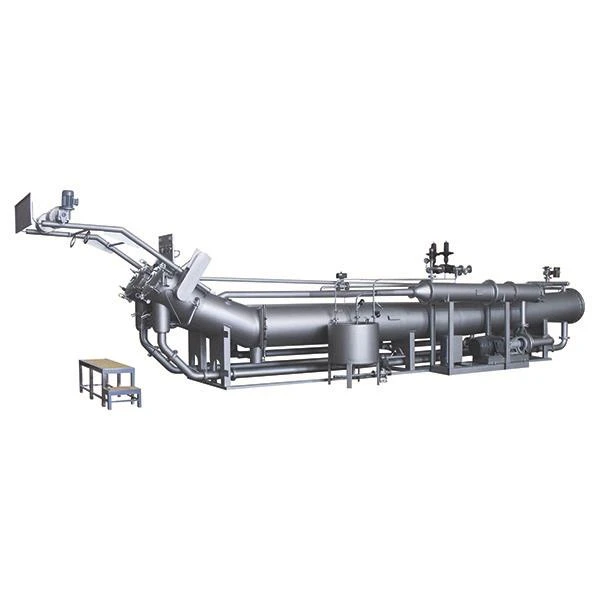
HTHP Rapid Dyeing Machines are designed to operate at high temperatures and pressures, typically ranging from 120°C to 140°C and 2 to 3 bar, respectively. These machines use a combination of heat, pressure, and agitation to ensure uniform dye penetration and fixation onto the fabric fibers. The high temperature helps to open up the fiber structure, allowing the dye molecules to penetrate more easily, while the high pressure ensures that the dye is evenly distributed throughout the fabric.
The rapid dyeing process is achieved through a series of carefully controlled steps. First, the fabric is loaded into the dyeing machine and pre-treated with a suitable dyeing auxiliary to improve dye uptake and fixation. The dye liquor, which contains the dye and other additives, is then circulated through the machine at a high speed, ensuring thorough contact between the fabric and the dye. The temperature and pressure are gradually increased to the desired level and maintained for a specific period, depending on the type of fabric and dye being used. Finally, the fabric is rinsed and dried to remove any excess dye and auxiliary chemicals.
Impact on Fabric Color Fastness to Sublimation
The use of HTHP Rapid Dyeing Machines has several significant impacts on fabric color fastness to sublimation:
1. Improved Dye Fixation
One of the primary benefits of HTHP Rapid Dyeing Machines is their ability to improve dye fixation onto the fabric fibers. The high temperature and pressure conditions create an environment that promotes strong chemical bonds between the dye molecules and the fiber surface, resulting in better color fastness. This means that the dye is less likely to sublime and transfer onto adjacent materials, even when exposed to high temperatures during storage or transportation.
2. Uniform Dye Distribution
HTHP Rapid Dyeing Machines ensure uniform dye distribution throughout the fabric, thanks to the high-speed circulation of the dye liquor and the gentle agitation of the fabric. This helps to prevent uneven dyeing and color variations, which can contribute to poor color fastness. By achieving a more consistent dyeing result, the fabric is less likely to experience color transfer due to sublimation.
3. Reduced Dye Migration
The rapid dyeing process in HTHP machines minimizes the time that the fabric is exposed to the dye liquor, reducing the risk of dye migration. Dye migration occurs when the dye molecules move from the surface of the fabric to the interior or vice versa, which can lead to color bleeding and poor color fastness. By completing the dyeing process quickly and efficiently, HTHP Rapid Dyeing Machines help to lock the dye in place and prevent migration.
4. Enhanced Color Fastness Performance
Overall, the use of HTHP Rapid Dyeing Machines can significantly enhance the color fastness to sublimation of dyed fabrics. Textile manufacturers can achieve higher color fastness ratings, ensuring that their products meet the strict quality standards required by the market. This not only improves the aesthetic appeal of the fabrics but also increases their durability and longevity, making them more attractive to customers.
Case Studies and Real-World Examples
To illustrate the impact of HTHP Rapid Dyeing Machines on fabric color fastness to sublimation, let's look at some real-world examples:
Case Study 1: A Textile Manufacturer in China
A textile manufacturer in China was experiencing problems with poor color fastness to sublimation in their polyester fabrics. The company was using a traditional dyeing process that involved long dyeing times and high temperatures, which resulted in uneven dyeing and significant color transfer. After switching to an HTHP Rapid Dyeing Machine High Temperature High Pressure Dyeing Machine, the manufacturer was able to achieve a significant improvement in color fastness. The new machine allowed for faster dyeing times, better dye fixation, and more uniform dye distribution, resulting in fabrics with excellent color fastness ratings of 4 to 5 on the ISO scale.
Case Study 2: A Sportswear Brand in Europe
A sportswear brand in Europe was looking for a way to improve the color fastness of their synthetic fabrics, which were prone to color transfer during high-intensity sports activities. The brand partnered with a textile supplier that used an HTHP Long Tube Rapid Fabric Dyeing Machine HTHP Long Tube Rapid Fabric Dyeing Machine to dye their fabrics. The machine's advanced technology and precise control over temperature and pressure ensured that the dyes were firmly fixed onto the fabric fibers, resulting in excellent color fastness to sublimation. The sportswear brand was able to offer their customers high-quality products with vibrant colors that retained their integrity even under extreme conditions.
Conclusion and Call to Action
In conclusion, HTHP Rapid Dyeing Machines have a profound impact on fabric color fastness to sublimation. By improving dye fixation, ensuring uniform dye distribution, reducing dye migration, and enhancing overall color fastness performance, these machines offer a reliable and efficient solution for textile manufacturers looking to produce high-quality dyed fabrics.
If you're a textile manufacturer or a brand looking to improve the color fastness of your fabrics, I encourage you to consider investing in an HTHP Rapid Dyeing Machine. Our company offers a range of high-quality dyeing machines, including the High Pressure Rapid Jet Dyeing Machine, HTHP Long Tube Rapid Fabric Dyeing Machine, and High Temperature High Pressure Dyeing Machine, designed to meet the specific needs of your production process. Contact us today to learn more about our products and how they can help you achieve superior color fastness and quality in your dyed fabrics.
References
- ISO 105-P01: Textiles - Tests for colour fastness - Part P01: Colour fastness to hot pressing
- AATCC 117: Colorfastness to Sublimation
- "Textile Dyeing and Finishing Technology" by Dr. B. C. Gupta


