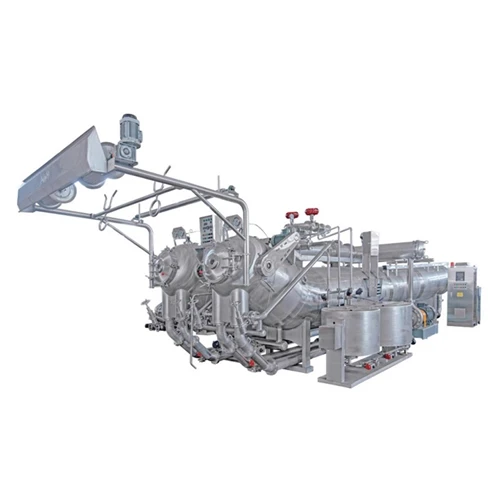
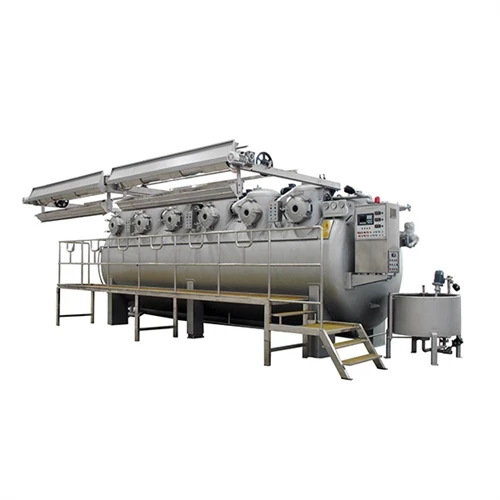
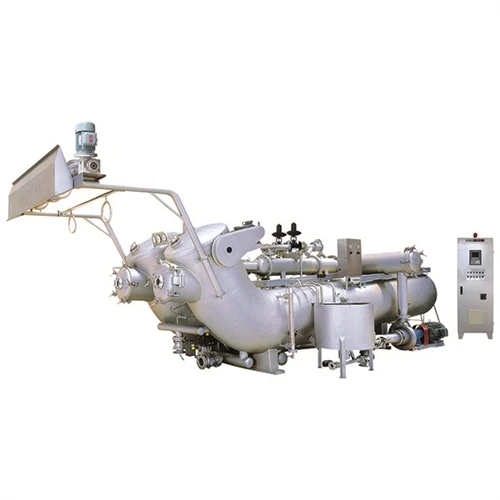
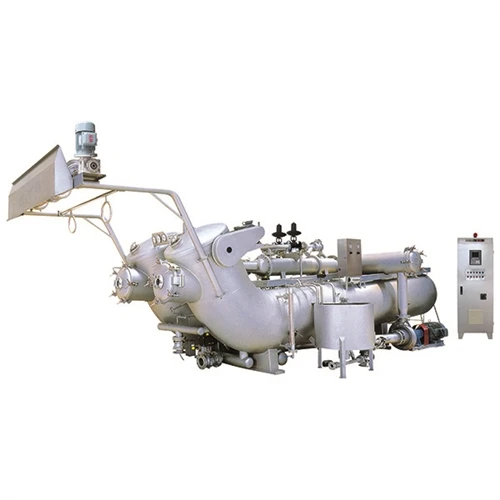
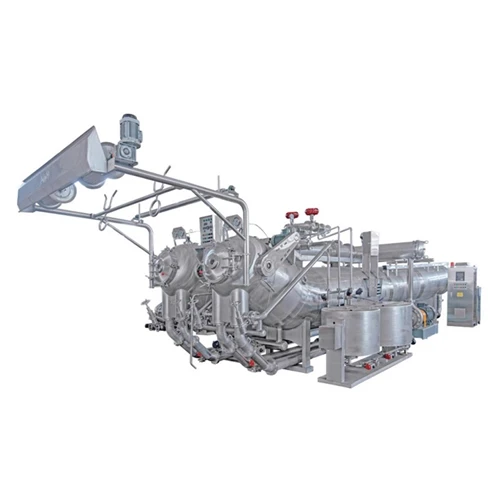
When it comes to textile dyeing, high temperature dyeing machines play a crucial role in achieving vibrant and long - lasting colors on various fabrics. As a supplier of high temperature dyeing machines, I've witnessed firsthand how the quality of water used in these machines can have a profound impact on the dyeing process, the equipment's lifespan, and the final product quality.
Chemical Reactions in the Dyeing Process
Water is not just a simple medium for carrying dyes and chemicals in a high temperature dyeing machine. It participates in numerous chemical reactions during the dyeing cycle. In high - temperature environments, water can react with dyes and auxiliaries, and the nature of these reactions is significantly influenced by water quality.
Hard water, which contains high levels of calcium and magnesium ions, can cause problems. These ions can form insoluble precipitates with certain dyes and chemicals. For instance, when using reactive dyes, calcium and magnesium ions can react with the reactive groups of the dyes, reducing the dye's ability to bond with the fabric. This leads to uneven dyeing, color variations, and lower color fastness. In extreme cases, these precipitates can clog the nozzles and pipes of the High Temperature High Speed Dyeing Machine, reducing its efficiency and increasing the need for maintenance.
On the other hand, soft water provides a more stable chemical environment. Without the interference of excessive metal ions, dyes can react more effectively with the fabric fibers. This results in more uniform dyeing, brighter colors, and better color fastness, ensuring that the end - product meets high - quality standards.

Equipment Performance and Lifespan
Water quality is also a key factor affecting the performance and lifespan of high temperature dyeing machines. Corrosion is a major concern in these machines, especially when exposed to high - temperature and high - pressure environments.
In water with high levels of dissolved salts, such as chloride and sulfate ions, the metal components of the dyeing machine are more prone to corrosion. For example, the stainless - steel tanks and pipes in a High Temperature High Pressure Dyeing Machine can be gradually corroded over time. This not only weakens the structural integrity of the machine but also affects its performance. Corroded pipes may lead to reduced water flow and uneven distribution of dyes and chemicals, resulting in poor dyeing quality.
Moreover, the presence of suspended solids in the water can cause abrasion to the moving parts of the dyeing machine. These solids can accumulate in the pumps and valves, increasing friction and wear, which in turn can lead to mechanical failures and downtime. By using high - quality water with low levels of dissolved salts and suspended solids, the wear and tear on the machine can be significantly reduced, extending its service life and reducing maintenance costs.
Energy Efficiency
Water quality can also impact the energy efficiency of high temperature dyeing machines. When using water with a high mineral content, scale deposit can occur on the heating elements and pipes. Scale is a poor conductor of heat, which means that more energy is required to heat the water to the desired temperature. This results in increased energy consumption and higher operating costs.
For example, in a HTHP LA Series Jet Dyeing Machine For Warp - knitted Velvet, if scale builds up on the heating coils, the machine may take longer to reach the set temperature, and more energy will be wasted in the process. By using water with proper treatment, such as water softening and filtration, the formation of scale can be minimized, improving the energy efficiency of the dyeing machine.
Environmental Impact
In addition to the direct impacts on the dyeing process and equipment, water quality also has environmental implications. Poor - quality water may require the use of more chemicals to achieve the desired dyeing results. For example, when using hard water, more chelating agents may be needed to remove the metal ions and prevent precipitation. These additional chemicals not only increase the cost but also contribute to higher levels of chemical waste in the wastewater.
Furthermore, the wastewater from dyeing processes with poor - quality water is more difficult to treat. The presence of high levels of salts, dyes, and chemicals makes it challenging to meet environmental discharge standards. As a responsible supplier of High Temperature Fabric Dyeing Machine, we encourage our customers to consider water quality as an important part of their overall environmental management strategy.
Improving Water Quality for Dyeing Machines
To mitigate the negative impacts of poor water quality on high temperature dyeing machines, several water treatment methods can be employed.
Water softening is a common technique used to remove calcium and magnesium ions from hard water. This can be achieved through ion - exchange resin beds, which replace the calcium and magnesium ions with sodium ions. By using softened water, the problems associated with hard water, such as precipitate formation and scale deposit, can be effectively reduced.
Filtration is another important step in water treatment. It is used to remove suspended solids, such as dirt, sand, and organic matter, from the water. This can help prevent abrasion to the machine parts and reduce the risk of clogging in the pipes and nozzles. Different types of filters, such as sand filters, activated carbon filters, and membrane filters, can be used depending on the specific requirements.
In some cases, advanced oxidation processes may be used to remove organic contaminants from the water. These processes involve the use of chemicals or energy to break down organic molecules, improving the overall water quality and reducing the environmental impact.
Conclusion
In conclusion, water quality has a multifaceted impact on high temperature dyeing machines. It affects the chemical reactions in the dyeing process, the performance and lifespan of the equipment, energy efficiency, and the environmental footprint. As a supplier of high - end dyeing machines like the High Pressure Rapid Jet Dyeing Machine, we understand the importance of water quality in ensuring optimal dyeing results and the long - term reliability of our machines.
If you are in the textile dyeing industry and looking for high - performance dyeing machines, we are here to assist you. Our products are designed to work efficiently with properly treated water, providing you with consistent and high - quality dyeing results. Contact us today to start a discussion about your specific needs and how our dyeing machines can meet them.