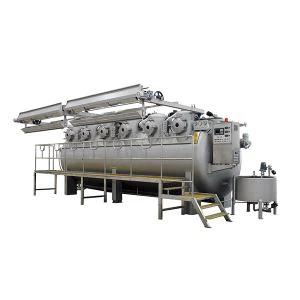
Hey there! As a supplier of High Pressure Rapid Jet Dyeing Machines, I'm super stoked to walk you through the installation process of these bad - boys. It's not as complicated as it might seem at first glance, and I'll break it down step by step.
Pre - installation Checks
Before we even start unpacking the machine, there are a few things we need to check. First off, the location where you plan to install the machine is crucial. It should be a well - ventilated area because these machines generate a fair amount of heat during operation. You don't want the heat to build up and cause problems, right?
The floor needs to be flat and strong enough to support the weight of the machine. A wobbly or weak floor can lead to issues with the machine's stability and might even cause premature wear and tear. Also, make sure there's enough space around the machine for easy access. You'll need room to open the doors, perform maintenance, and move materials in and out.
Next, we need to check the electrical supply. The High Pressure Rapid Jet Dyeing Machine requires a specific voltage and amperage. Make sure your electrical system can handle the load. It's always a good idea to have an electrician check the wiring and connections to ensure everything is up to code.
The water supply is another important aspect. You need a clean and consistent water source. The water should be free from impurities like sand, dirt, and chemicals that could clog the machine's pipes or damage its components. The water pressure also needs to be within the specified range for the machine to operate efficiently.
Unpacking and Assembly
Once all the pre - installation checks are done, it's time to unpack the machine. Carefully remove the packaging materials, and check for any visible damage during transit. If you find any, make sure to document it and contact us right away.
The machine usually comes in several parts, and we'll need to assemble them. Start by laying out all the components in an organized manner. Follow the assembly instructions provided in the manual. Most of the parts are designed to fit together easily, but it's important to take your time and make sure everything is aligned correctly.
We'll start with the main body of the machine. Attach the legs or supports to ensure it stands firmly on the floor. Then, we'll connect the different sections of the dyeing chamber. This is where the magic happens! The chamber needs to be sealed properly to prevent any leakage during the dyeing process.
After the chamber is assembled, we'll attach the pipes and hoses. These are used to transport water, dye, and other chemicals throughout the machine. Make sure all the connections are tight and secure. Loose connections can lead to leaks, which not only waste resources but can also be a safety hazard.
Connecting Utilities
Now that the machine is assembled, it's time to connect the utilities. First, we'll hook up the electrical cables. Again, make sure to follow the wiring diagram in the manual. Connect the power cord to the appropriate electrical outlet, and double - check all the connections.
Next, we'll connect the water supply. Use the provided hoses to connect the machine to the water source. Make sure the water flow is unrestricted and that there are no kinks in the hoses. After connecting the water supply, turn on the water and check for any leaks.
The dye and chemical supply systems also need to be connected. These are usually connected to separate containers or tanks. Make sure the connections are secure and that the valves are working properly. You'll need to calibrate the dosing systems to ensure the correct amount of dye and chemicals are added during the dyeing process.
Testing and Commissioning
Once all the utilities are connected, it's time to test the machine. Before starting a full - scale dyeing operation, we'll run a series of tests to make sure everything is working as it should.
First, we'll perform a dry run. This means turning on the machine without any fabric or dye. Check the motor, pumps, and other moving parts to make sure they are running smoothly. Listen for any unusual noises or vibrations, as these could indicate a problem.
Next, we'll fill the machine with water and run a test cycle. This will help us check the water flow, temperature control, and pressure regulation. Make sure the temperature and pressure reach the desired levels and stay stable throughout the cycle.
After the water test, we'll perform a dyeing test. Use a small sample of fabric to test the dyeing process. Check the color uniformity, penetration, and fastness of the dye. Make any necessary adjustments to the machine settings based on the test results.
Once all the tests are completed successfully, the machine is ready for commissioning. This means it's officially ready to be used for production.
Maintenance and Support
After the installation and commissioning, it's important to perform regular maintenance on the High Pressure Rapid Jet Dyeing Machine. This includes cleaning the machine, checking the filters, and lubricating the moving parts. Follow the maintenance schedule provided in the manual to ensure the machine operates at its best.
If you encounter any problems or have any questions during the operation of the machine, don't hesitate to contact us. We offer comprehensive support services, including technical advice, spare parts supply, and on - site maintenance if needed.
Conclusion
Installing a High Pressure Rapid Jet Dyeing Machine might seem like a big task, but if you follow these steps and work with a reliable supplier like us, it can be a smooth process. The machine offers many benefits, such as high - quality dyeing, fast processing times, and energy efficiency.


If you're in the market for a High Pressure Rapid Jet Dyeing Machine, or if you want to learn more about our High Temperature High Pressure Dyeing Machine, HTHP Rapid Jet Dyeing Machine, or High Temperature and High Pressure Dyeing Machine, feel free to reach out. We're here to help you make the right choice and ensure a successful installation. Let's start a conversation and see how we can meet your dyeing needs!
References
- Manufacturer's Installation Manual for High Pressure Rapid Jet Dyeing Machine
- Industry Standards for Dyeing Machine Installation and Operation