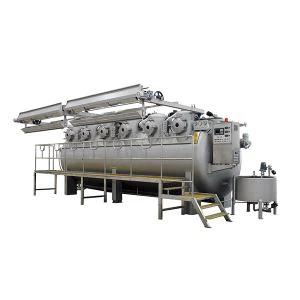
Hey there! As a supplier of Rapid Jet Dyeing Machines, I often get asked about the noise level of these machines during operation. It's a valid concern, especially for factories where noise can impact the working environment and even the health of workers. So, let's dive into what you can expect in terms of noise when using our Rapid Jet Dyeing Machines.
Understanding the Basics of Rapid Jet Dyeing Machines
Before we talk about noise, let's quickly go over what a Rapid Jet Dyeing Machine does. These machines are used in the textile industry to dye fabrics efficiently. They use a high - pressure jet system to circulate the dye liquor through the fabric, ensuring a uniform and fast dyeing process. This technology has revolutionized the textile dyeing process, making it faster and more cost - effective compared to traditional methods.
Our machines, like the High Temperature Dyeing Machine, HTHP Fabric Dyeing Machine, and High Temperature Fabric Dyeing Machine, are equipped with advanced features to provide high - quality dyeing results. But with all that high - tech machinery in action, it's natural to wonder about the noise.
Factors Affecting the Noise Level
There are several factors that can influence the noise level of a Rapid Jet Dyeing Machine during operation.
1. Pump Operation
The pumps in the machine are responsible for circulating the dye liquor. High - pressure pumps are used to ensure a fast and even distribution of the dye. These pumps can generate a significant amount of noise, especially when they are running at full capacity. The design and quality of the pumps play a crucial role here. Our machines are fitted with high - quality pumps that are engineered to operate as quietly as possible. However, the nature of their function means that there will still be some noise.
2. Motor Noise
The motors that power the machine also contribute to the overall noise level. Motors need to run continuously to keep the various components of the machine working. The size and power of the motor can affect the noise it produces. Larger motors generally make more noise, but modern motor technology has come a long way in reducing this. We use state - of - the - art motors in our machines, which are designed to be energy - efficient and relatively quiet.
3. Water and Dye Circulation
The movement of water and dye through the pipes and nozzles creates turbulence, which in turn generates noise. The speed at which the liquid is circulated and the design of the pipes can impact this noise. Our machines have been designed with optimized pipe layouts to minimize the noise caused by the circulation of the dye liquor.
Measuring the Noise Level
We understand that it's important for our customers to have an accurate idea of the noise level. That's why we conduct thorough noise level measurements during the testing phase of our machines.
On average, the noise level of our Rapid Jet Dyeing Machines during normal operation ranges from 70 to 85 decibels (dB). To put that into perspective, a normal conversation is about 60 dB, and a vacuum cleaner is around 70 - 80 dB. So, while the machines are not completely silent, the noise level is comparable to common household appliances.
However, it's important to note that the noise level can vary depending on the specific model of the machine, the operating conditions, and the load of the fabric being dyed. For example, if the machine is running at maximum capacity with a large amount of fabric, the noise level might be slightly higher.
Noise Reduction Measures
We take the issue of noise seriously and have implemented several measures to reduce the noise level of our machines.


1. Sound - Insulating Materials
We use high - quality sound - insulating materials in the construction of our machines. These materials are placed around the noisy components, such as the pumps and motors, to absorb and dampen the sound waves. This helps to reduce the amount of noise that is emitted from the machine.
2. Vibration Dampening
Vibration is another source of noise. We have incorporated vibration - dampening features in our machines to minimize the vibrations caused by the moving parts. This not only reduces the noise but also helps to extend the lifespan of the machine by reducing wear and tear.
3. Regular Maintenance
Proper maintenance is essential for keeping the noise level in check. We recommend regular servicing of the machines, including checking the pumps, motors, and pipes for any signs of wear or damage. A well - maintained machine is likely to operate more quietly than one that is in poor condition.
Impact of Noise on the Workplace
Excessive noise in the workplace can have several negative effects. It can cause hearing loss over time, especially if workers are exposed to high - level noise for extended periods. It can also lead to stress, fatigue, and reduced productivity.
That's why it's important to take steps to mitigate the noise in the factory. In addition to the noise reduction measures built into our machines, we also recommend the use of personal protective equipment (PPE) such as earplugs or earmuffs for workers. Factory managers can also consider installing sound - absorbing panels on the walls and ceilings to further reduce the noise level in the working area.
Why Choose Our Rapid Jet Dyeing Machines
Despite the noise factor, our Rapid Jet Dyeing Machines offer many advantages. They are highly efficient, providing fast and uniform dyeing results. The advanced technology used in our machines ensures that you get high - quality products with minimal wastage.
Our commitment to reducing the noise level through innovative design and the use of high - quality components makes our machines a great choice for textile manufacturers. We understand that noise is a concern, and we are constantly working to improve the performance of our machines in this regard.
Contact Us for More Information
If you're in the market for a Rapid Jet Dyeing Machine and want to learn more about the noise level or any other aspect of our products, feel free to get in touch with us. We'd be happy to answer all your questions and provide you with detailed information. Whether you're a small - scale textile producer or a large - scale factory, we have the right machine for your needs.
References
- Textile Machinery Handbook: A comprehensive guide to the operation and design of textile machinery, which includes information on noise levels and reduction techniques.
- Industry research reports on the development of textile dyeing machines and their impact on the workplace environment.