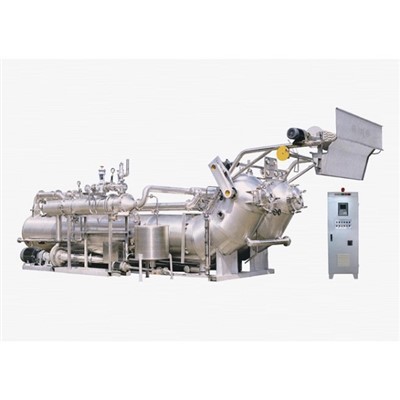
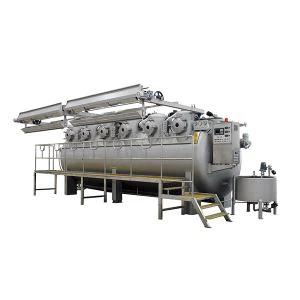
Hey there! As a supplier of HTHP Jet Dyeing Machines, I've been getting a lot of questions lately about how dyeing temperature affects color fastness. So, I thought I'd take a deep dive into this topic and share some insights with you.
Let's start by understanding what color fastness is. In simple terms, color fastness refers to the ability of a dyed fabric to retain its color under various conditions, like washing, rubbing, or exposure to light. It's a crucial factor in the textile industry because no one wants their clothes to fade or bleed after a few washes.
Now, let's talk about the HTHP Jet Dyeing Machine. This machine is a game - changer in the textile dyeing process. It uses high - temperature and high - pressure conditions to ensure that the dye penetrates the fabric evenly. But here's the thing: the temperature at which you dye the fabric in this machine can have a huge impact on color fastness.
Low Dyeing Temperatures
When you use a relatively low dyeing temperature in an HTHP Jet Dyeing Machine, the dye molecules may not fully penetrate the fabric fibers. The dye kind of sits on the surface of the fibers rather than getting deeply embedded. This means that during subsequent washing or other treatments, the dye is more likely to come off.
For example, if you're dyeing a cotton fabric at a temperature that's too low, the color may start to fade after just a couple of washes. The weak bond between the dye and the fabric fibers can't withstand the mechanical action of the washing machine or the chemical reactions with detergents. So, in terms of color fastness, low temperatures are generally not ideal.
High Dyeing Temperatures
On the other hand, high dyeing temperatures can have both positive and negative effects. On the plus side, high temperatures can cause the fabric fibers to expand. This creates more space within the fibers, allowing the dye molecules to penetrate more deeply. As a result, the dye forms a stronger bond with the fabric, leading to better color fastness.
For instance, when dyeing synthetic fabrics like polyester, higher temperatures can significantly improve the color fastness. The heat helps the dye to diffuse into the tightly packed polyester fibers, ensuring that the color stays vibrant for a long time.
However, there's a catch. If the temperature is too high, it can damage the fabric fibers. Overheating can cause the fibers to break down or become brittle. This not only affects the physical properties of the fabric but can also lead to uneven dyeing and reduced color fastness in the long run. For example, if you dye a delicate silk fabric at an extremely high temperature, the silk fibers may lose their luster and strength, and the color may start to fade prematurely.
Finding the Sweet Spot
So, how do you find the right dyeing temperature to achieve optimal color fastness? Well, it depends on several factors, such as the type of fabric, the type of dye, and the specific requirements of the end - product.
For natural fibers like cotton and wool, temperatures in the range of 90 - 100°C are often a good starting point. These temperatures allow the dye to penetrate the fibers without causing too much damage. For synthetic fibers like polyester, temperatures between 120 - 130°C are commonly used to ensure proper dye fixation.
It's also important to note that different dyes have different temperature requirements. Some dyes are designed to work best at lower temperatures, while others need higher temperatures to achieve the desired color and color fastness. So, it's crucial to follow the dye manufacturer's recommendations.
Our HTHP Jet Dyeing Machines
At our company, we offer a range of HTHP Jet Dyeing Machines that are designed to give you precise control over the dyeing temperature. Our machines are equipped with advanced temperature control systems that allow you to set and maintain the exact temperature you need for your specific dyeing process.
We have the HTHP Double Liquid Flow Loose Dyeing Machine, which is great for dyeing loose fibers or yarns. It provides excellent heat transfer and uniform dyeing, ensuring that you get consistent color fastness across the entire batch.
The TH-LV High Temperature Overflow Jet Dyeing Machine is another popular option. It's suitable for dyeing a wide range of fabrics, from lightweight cottons to heavy - duty synthetics. With its high - temperature capabilities, it can help you achieve excellent color fastness in a variety of applications.
And if you're working with RPET fabric or suede fabric, our High - Pressure Rapid Dyeing Machine For RPET Fabric Suede Fabric is the way to go. It's specifically designed to handle these types of fabrics and can provide fast and efficient dyeing with outstanding color fastness.
Conclusion
In conclusion, dyeing temperature plays a crucial role in the color fastness of fabrics dyed in an HTHP Jet Dyeing Machine. Finding the right temperature is a balance between ensuring proper dye penetration and avoiding damage to the fabric fibers. With our high - quality HTHP Jet Dyeing Machines, you can have better control over the dyeing process and achieve excellent color fastness results.


If you're in the textile industry and looking for a reliable HTHP Jet Dyeing Machine to improve your color fastness and overall dyeing quality, we'd love to talk to you. Whether you're a small - scale producer or a large - scale manufacturer, we have the right machine for your needs. Don't hesitate to reach out to us for more information and to start a procurement discussion.
References
- "Textile Dyeing and Finishing" by Lewis, D. M.
- "Color Fastness Testing in Textiles" by American Association of Textile Chemists and Colorists (AATCC)