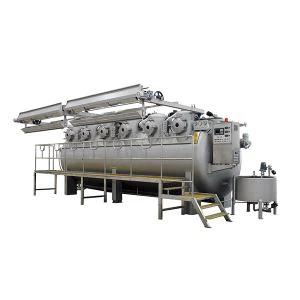
As a supplier of HTHP Rapid Jet Dyeing Machines, I am often asked about the performance of these machines when it comes to dyeing dark - colored fabrics. Dark - colored fabrics present unique challenges in the dyeing process, such as achieving uniform color distribution, high color fastness, and efficient dye utilization. In this blog, I will delve into the performance of HTHP Rapid Jet Dyeing Machines in handling dark - colored fabrics.
1. Uniform Color Distribution
One of the primary requirements for dyeing dark - colored fabrics is achieving a uniform color across the entire fabric surface. Dark colors can easily show any unevenness in dyeing, which can lead to significant quality issues. HTHP Rapid Jet Dyeing Machines are well - equipped to handle this challenge.
These machines use a high - pressure jet system to circulate the dye liquor through the fabric. The high - pressure jets ensure that the dye liquor penetrates deep into the fabric fibers, promoting a more even distribution of the dye. The rapid circulation of the dye liquor also helps to prevent the formation of dye aggregates, which can cause uneven coloration.
For example, in a typical dyeing process of a dark - colored cotton fabric, the HTHP Rapid Jet Dyeing Machine can maintain a consistent flow rate of the dye liquor. This consistent flow ensures that each part of the fabric comes into contact with the dye for an equal amount of time, resulting in a uniform color. The machine's advanced control system allows for precise adjustment of the jet pressure and flow rate, further enhancing the uniformity of the dyeing process.
2. High Color Fastness
Color fastness is another crucial aspect when dyeing dark - colored fabrics. Dark colors are more likely to fade over time, especially when exposed to factors such as washing, sunlight, and friction. HTHP Rapid Jet Dyeing Machines contribute to achieving high color fastness in several ways.
Firstly, the high - temperature and high - pressure environment created inside the machine helps to improve the binding between the dye molecules and the fabric fibers. At high temperatures, the dye molecules have more energy to penetrate the fibers and form strong chemical bonds. The high pressure also aids in pushing the dye deeper into the fibers, increasing the durability of the color.
Secondly, these machines often have features that allow for proper fixation of the dye. For instance, some models can control the temperature and time during the fixation process precisely. By optimizing these parameters, the dye can be effectively fixed to the fabric, reducing the likelihood of color bleeding and fading.
In a study on dyeing dark - colored polyester fabrics, it was found that using an HTHP Rapid Jet Dyeing Machine resulted in significantly higher color fastness ratings compared to traditional dyeing methods. The fabric maintained its rich color even after multiple washing cycles, demonstrating the machine's ability to produce long - lasting colors.
3. Efficient Dye Utilization
Dyeing dark - colored fabrics typically requires a larger amount of dye compared to lighter colors. Therefore, efficient dye utilization is essential to reduce costs and minimize environmental impact. HTHP Rapid Jet Dyeing Machines are designed to optimize dye consumption.
The high - pressure jet system in these machines ensures that the dye liquor is evenly distributed throughout the fabric, reducing the amount of excess dye. The rapid circulation of the dye liquor also allows for better interaction between the dye and the fabric, maximizing the dye uptake.
Moreover, some HTHP Rapid Jet Dyeing Machines are equipped with advanced recycling systems. These systems can recover and reuse the excess dye liquor, further reducing dye waste. For example, the TH - VA Series High - Pressure Rapid Dyeing Machine is designed with a state - of - the - art recycling mechanism that can recycle up to 80% of the dye liquor, significantly reducing the overall dye consumption.
4. Compatibility with Different Dark Dyes
There is a wide range of dark dyes available in the market, including reactive dyes, disperse dyes, and vat dyes. HTHP Rapid Jet Dyeing Machines are highly compatible with these different types of dyes.
For reactive dyes, which are commonly used for dyeing natural fibers such as cotton and silk, the high - temperature and high - pressure environment in the machine can enhance the reactivity between the dye and the fiber. This results in better color development and higher color fastness.
Disperse dyes, which are used for synthetic fibers like polyester, can also be effectively applied using HTHP Rapid Jet Dyeing Machines. The high - pressure jets ensure that the disperse dyes penetrate the hydrophobic polyester fibers evenly, achieving a deep and uniform color.
Vat dyes, known for their excellent color fastness, can be used in these machines as well. The machine's ability to control the dyeing process precisely, including temperature, pressure, and time, allows for optimal dyeing with vat dyes, especially for dark - colored fabrics.
5. Reduced Dyeing Time
Time is of the essence in the textile industry. Dyeing dark - colored fabrics can be a time - consuming process, but HTHP Rapid Jet Dyeing Machines can significantly reduce the dyeing time.
The high - pressure jet system accelerates the dyeing process by quickly transporting the dye liquor through the fabric. The rapid circulation of the dye liquor also speeds up the diffusion of the dye into the fibers. As a result, the overall dyeing time can be reduced by up to 30% compared to traditional dyeing methods.
For example, the TH - LV High Temperature Overflow Jet Dyeing Machine is specifically designed to optimize the dyeing process for both light and dark - colored fabrics. Its advanced design allows for a faster and more efficient dyeing process, making it a popular choice among textile manufacturers.
6. Handling of Different Fabric Types
HTHP Rapid Jet Dyeing Machines are versatile and can handle a variety of fabric types when dyeing dark colors. Whether it is natural fibers like cotton, silk, and wool, or synthetic fibers such as polyester, nylon, and acrylic, these machines can achieve excellent dyeing results.
For delicate natural fibers like silk, the machine's gentle yet efficient dyeing process ensures that the fabric's texture and luster are maintained while achieving a deep and uniform color. On the other hand, for synthetic fibers, the high - temperature and high - pressure capabilities of the machine can effectively dye the fibers, overcoming the challenges associated with their hydrophobic nature.
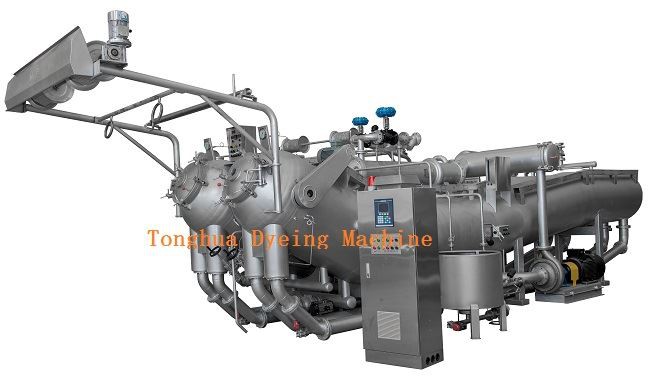

The High Temperature High Pressure High Speed Dyeing Machine is a prime example of a machine that can handle different fabric types with ease. Its adjustable parameters allow for customization of the dyeing process according to the specific requirements of each fabric type.
Conclusion
In conclusion, HTHP Rapid Jet Dyeing Machines offer outstanding performance when it comes to dyeing dark - colored fabrics. They excel in achieving uniform color distribution, high color fastness, efficient dye utilization, compatibility with different dyes, reduced dyeing time, and handling of various fabric types.
If you are in the textile industry and looking for a reliable solution for dyeing dark - colored fabrics, our HTHP Rapid Jet Dyeing Machines are the ideal choice. We are committed to providing high - quality machines and excellent after - sales service. Contact us today to discuss your specific requirements and start a procurement negotiation.
References
- "Textile Dyeing Technology" by X. M. Hu
- "Advances in Dyeing and Finishing of Textiles" edited by M. R. M. Khan