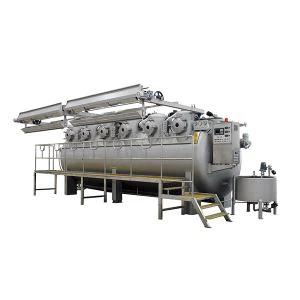
In the dynamic realm of textile manufacturing, the question of whether a jet dyeing machine can be used for yarn dyeing is a topic that often sparks interest and debate. As a reputable supplier of jet dyeing machines, I am well - versed in the capabilities and limitations of these advanced pieces of equipment, and I am eager to share my insights on this matter.
Understanding Jet Dyeing Machines
Jet dyeing machines are widely recognized for their efficiency and versatility in the textile industry. These machines use a high - pressure jet of dye liquor to propel the fabric through the dyeing chamber, ensuring uniform and rapid dye penetration. The principle behind jet dyeing is based on the continuous circulation of the dye liquor, which helps in achieving consistent coloration across the fabric surface.
There are different types of jet dyeing machines available in the market, each designed to meet specific requirements. For instance, the Dual Flow Dyeing Machine is known for its unique dual - flow system that enhances the dyeing process by providing a more balanced and efficient distribution of the dye liquor. The Rapid Jet Dyeing Machine is engineered for high - speed dyeing operations, making it suitable for large - scale production. On the other hand, the High Temperature High Pressure Dyeing Machine is capable of operating under extreme conditions, allowing for the use of dyes that require high temperatures and pressures for optimal color fixation.
Can Jet Dyeing Machines be Used for Yarn Dyeing?
The short answer is yes, jet dyeing machines can be used for yarn dyeing, but there are several factors to consider.
Advantages of Using Jet Dyeing Machines for Yarn Dyeing
- Uniform Dyeing: One of the primary advantages of using a jet dyeing machine for yarn dyeing is the ability to achieve uniform coloration. The high - pressure jet of dye liquor ensures that the dye penetrates deep into the yarn fibers, resulting in a consistent color throughout the yarn. This is particularly important for applications where color consistency is crucial, such as in the production of high - quality textiles or in matching specific color standards.
- Efficiency: Jet dyeing machines are known for their high - speed operation, which can significantly reduce the dyeing time compared to traditional yarn dyeing methods. The continuous circulation of the dye liquor allows for a more efficient use of the dye, reducing waste and minimizing the environmental impact.
- Versatility: Jet dyeing machines can handle a wide range of yarn types, including natural fibers such as cotton and wool, as well as synthetic fibers like polyester and nylon. This versatility makes them a popular choice for textile manufacturers who work with different types of yarns.
Challenges of Using Jet Dyeing Machines for Yarn Dyeing
- Yarn Tension: Yarns are more delicate than fabrics, and the high - speed movement in a jet dyeing machine can cause excessive tension on the yarn, leading to breakage or damage. Special care must be taken to ensure that the yarn is properly guided through the machine and that the tension is controlled within acceptable limits.
- Dye Selection: Not all dyes are suitable for use in jet dyeing machines for yarn dyeing. Some dyes may require specific conditions or additives to achieve optimal color fixation, and the high - pressure and high - temperature environment of a jet dyeing machine may not be compatible with certain dye types.
- Machine Modifications: In some cases, the standard jet dyeing machine may need to be modified to accommodate yarn dyeing. This may include the installation of special yarn guides, reels, or other accessories to ensure the smooth and efficient movement of the yarn through the machine.
Considerations for Successful Yarn Dyeing with Jet Dyeing Machines
To ensure successful yarn dyeing using a jet dyeing machine, the following considerations should be taken into account:


Yarn Preparation
Proper yarn preparation is essential for achieving good dyeing results. This includes cleaning the yarn to remove any impurities or sizing agents that may interfere with the dyeing process. Additionally, the yarn may need to be pre - treated with a suitable agent to improve its dyeability.
Dye Selection and Formulation
As mentioned earlier, the choice of dye is crucial for successful yarn dyeing. It is important to select dyes that are compatible with the yarn type and the jet dyeing machine. The dye formulation should also be optimized to ensure good color fastness and to minimize the risk of color bleeding or fading.
Machine Settings
The machine settings, such as the temperature, pressure, and flow rate of the dye liquor, need to be carefully adjusted according to the yarn type, dye type, and the desired dyeing results. These settings can have a significant impact on the quality of the dyeing, and it may take some experimentation to find the optimal settings for a particular application.
Quality Control
Regular quality control checks should be carried out during the yarn dyeing process to ensure that the color and quality of the dyed yarn meet the required standards. This may include visual inspection, color measurement using spectrophotometers, and testing for color fastness.
Conclusion
In conclusion, jet dyeing machines can be effectively used for yarn dyeing, offering several advantages such as uniform dyeing, efficiency, and versatility. However, it is important to be aware of the challenges associated with yarn dyeing using jet dyeing machines and to take the necessary precautions to ensure successful results.
If you are interested in exploring the use of jet dyeing machines for your yarn dyeing needs, I encourage you to contact us for more information. Our team of experts is ready to assist you in selecting the right machine, providing technical support, and helping you optimize your dyeing process. We look forward to the opportunity to work with you and to contribute to the success of your textile manufacturing operations.
References
- Textile Dyeing and Finishing Technology, Third Edition by S. V. Ramakrishna and V. K. Anand
- Handbook of Textile and Industrial Dyeing, Volume 1: Principles, Processes and Types of Dyes edited by M. M. Lewis