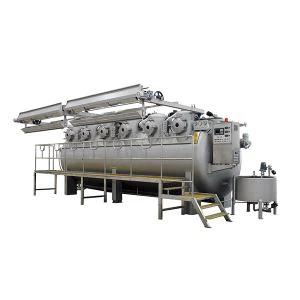
As a supplier of Gas-liquid Dyeing Machines, I've witnessed firsthand the pivotal role these machines play in the textile industry. The efficiency and productivity of a gas-liquid dyeing machine are crucial factors that can significantly impact a textile manufacturer's bottom line. In this blog post, I'll share some practical strategies and insights on how to improve the productivity of a gas-liquid dyeing machine.
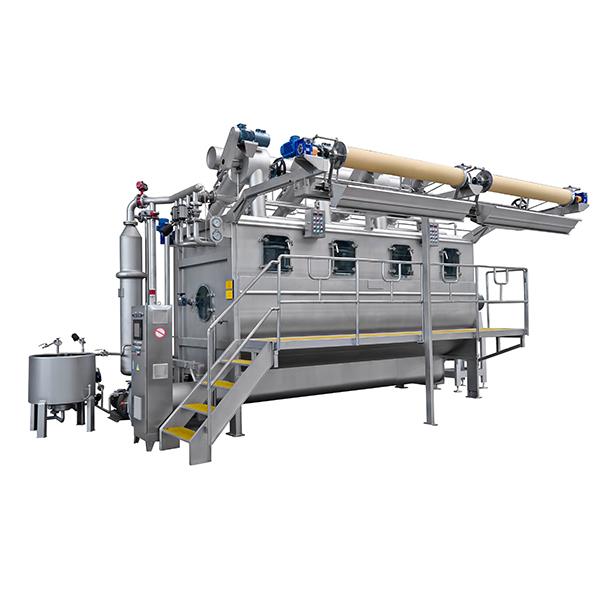

1. Regular Maintenance and Inspection
One of the fundamental steps in enhancing the productivity of a gas-liquid dyeing machine is to ensure regular maintenance and inspection. Just like any other industrial equipment, these machines are subject to wear and tear over time. Components such as pumps, valves, and heating elements can degrade, leading to reduced performance and potential breakdowns.
- Scheduled Maintenance: Establish a comprehensive maintenance schedule that includes tasks such as cleaning, lubrication, and replacement of worn-out parts. For example, the filters in the machine should be cleaned or replaced at regular intervals to prevent clogging, which can impede the flow of the dyeing liquid and gas.
- Inspection for Leaks: Regularly inspect the machine for any signs of leaks, especially in the gas and liquid pipelines. Leaks not only waste valuable resources but can also pose safety hazards. Detecting and fixing leaks promptly can prevent production delays and ensure the smooth operation of the machine.
2. Optimize Dyeing Processes
The dyeing process itself can be optimized to improve the productivity of the gas-liquid dyeing machine. By fine-tuning the parameters and techniques, manufacturers can achieve better color uniformity, reduce dyeing time, and minimize waste.
- Dye Selection: Choose high-quality dyes that are compatible with the fabric and the dyeing machine. Different dyes have different properties, such as solubility, affinity for the fabric, and fastness. Selecting the right dye can improve the dyeing efficiency and reduce the need for repeated dyeing cycles.
- Process Parameters: Adjust the process parameters, such as temperature, pressure, and dyeing time, based on the type of fabric and the desired color. For example, some fabrics may require a higher temperature and pressure to achieve optimal dyeing results, while others may be more sensitive and require a gentler process. Experimenting with different parameters can help find the optimal settings for each specific application.
- Automation and Control Systems: Implement advanced automation and control systems to precisely monitor and adjust the dyeing process. These systems can ensure consistent and accurate dyeing results, reduce human error, and improve overall productivity. For instance, automated dosing systems can accurately measure and dispense the right amount of dye and chemicals, eliminating the need for manual measurements and reducing the risk of over- or under-dosing.
3. Upgrade to Advanced Technology
Investing in advanced technology can significantly enhance the productivity of a gas-liquid dyeing machine. Newer models often come with improved features and capabilities that can streamline the dyeing process and increase efficiency.
- Energy-Efficient Design: Look for gas-liquid dyeing machines that are designed to be energy-efficient. These machines use less energy to heat and circulate the dyeing liquid and gas, reducing operating costs and environmental impact. For example, some machines are equipped with heat recovery systems that capture and reuse the heat generated during the dyeing process.
- Advanced Dyeing Techniques: Consider upgrading to machines that incorporate advanced dyeing techniques, such as foam dyeing or air dyeing. These techniques can offer several advantages, including reduced water consumption, faster dyeing times, and better color penetration. For instance, foam dyeing uses a foam medium to apply the dye to the fabric, which can reduce the amount of water required and improve the dyeing efficiency.
- Remote Monitoring and Diagnostic Systems: Some modern gas-liquid dyeing machines are equipped with remote monitoring and diagnostic systems that allow manufacturers to monitor the machine's performance in real-time and receive alerts if any issues arise. These systems can help identify and resolve problems quickly, minimizing downtime and improving productivity.
4. Staff Training and Development
The skills and knowledge of the operators play a crucial role in the productivity of a gas-liquid dyeing machine. Providing comprehensive training and development opportunities for the staff can help them operate the machine more efficiently and effectively.
- Initial Training: Ensure that all operators receive thorough initial training on the operation, maintenance, and safety procedures of the gas-liquid dyeing machine. This training should cover topics such as machine setup, process parameters, troubleshooting, and emergency procedures.
- Ongoing Training: Provide ongoing training to keep the operators updated on the latest technologies, techniques, and best practices in the textile dyeing industry. This can include training on new dyeing processes, advanced machine features, and quality control measures.
- Cross-Training: Consider cross-training the operators to perform multiple tasks related to the dyeing process. This can increase flexibility and productivity, as operators can be assigned to different tasks as needed, reducing downtime and improving overall efficiency.
5. Choose the Right Machine for Your Needs
Selecting the appropriate gas-liquid dyeing machine for your specific requirements is essential for maximizing productivity. There are different types of gas-liquid dyeing machines available in the market, each with its own features and capabilities.
- HTHP Gas-liquid Dyeing Machine: The HTHP Gas-liquid Dyeing Machine is suitable for high-temperature and high-pressure dyeing processes. It can be used for dyeing a wide range of fabrics, including synthetic fibers and blends. This machine offers excellent color uniformity and fast dyeing times, making it a popular choice for large-scale textile manufacturers.
- Normal Temperature Gas-liquid Dyeing Machine for Fabric: The Normal Temperature Gas-liquid Dyeing Machine for Fabric is designed for dyeing fabrics at normal temperatures. It is ideal for delicate fabrics that are sensitive to high temperatures, such as silk and wool. This machine offers gentle dyeing processes and can help preserve the quality and integrity of the fabric.
- NTNP Gas-liquid Dyeing Machine: The NTNP Gas-liquid Dyeing Machine is suitable for dyeing fabrics at normal temperature and normal pressure. It is a cost-effective option for small and medium-sized textile manufacturers. This machine offers simple operation and low maintenance requirements, making it easy to use and manage.
Conclusion
Improving the productivity of a gas-liquid dyeing machine requires a comprehensive approach that includes regular maintenance, process optimization, technology upgrades, staff training, and the right machine selection. By implementing these strategies, textile manufacturers can enhance the efficiency and performance of their dyeing operations, reduce costs, and improve the quality of their products.
If you're interested in learning more about our gas-liquid dyeing machines or discussing how we can help you improve the productivity of your dyeing processes, please don't hesitate to contact us for a procurement consultation. We're committed to providing high-quality products and excellent customer service to meet your specific needs.
References
- Textile Dyeing Technology: Principles and Practice, by X. M. He and M. R. M. Khan
- Handbook of Textile and Industrial Dyeing, edited by M. Clark and S. Macdonald
- Advanced Textile Dyeing Processes, by A. K. M. Golam Kibria and M. A. H. Bhuiyan